The M367 pill is a prescription opioid pain medication that contains hydrocodone bitartrate and acetaminophen. According to DailyMed, the M367 tablet is a white, capsule-shaped tablet marked with “M367” on one side and scored on the other. It contains hydrocodone bitartrate 10 mg and acetaminophen 325 mg. Hydrocodone is an opioid medication that changes how …
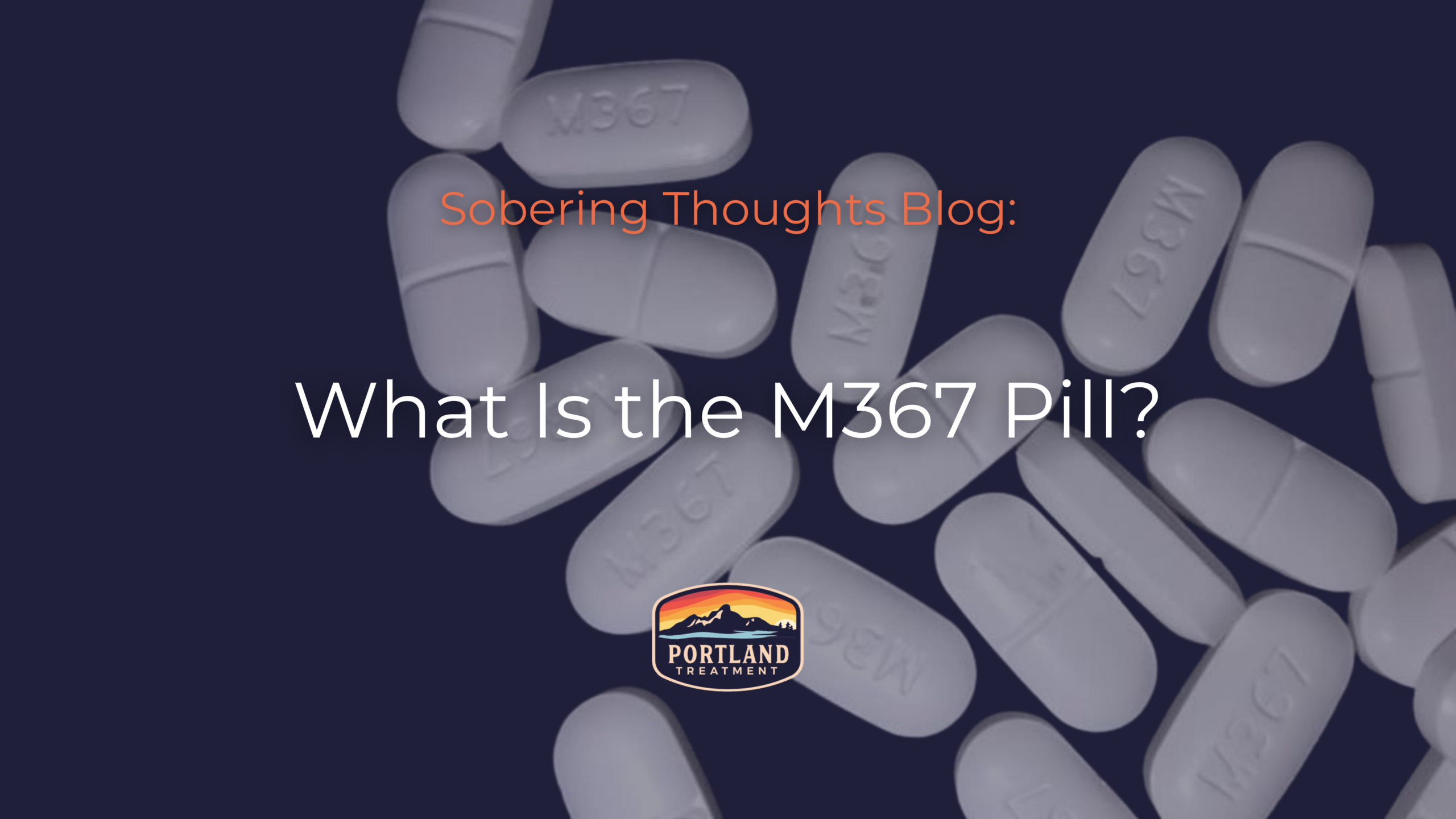

The M367 pill is a prescription opioid pain medication that contains hydrocodone bitartrate and acetaminophen. According to DailyMed, the M367 tablet is a white, capsule-shaped tablet marked with “M367” on one side and scored on the other. It contains hydrocodone bitartrate 10 mg and acetaminophen 325 mg. Hydrocodone is an opioid medication that changes how the brain and nervous system respond to pain. Acetaminophen is a non-opioid pain reliever commonly known as the active ingredient in Tylenol. Together, these medications may be prescribed for moderate to severe pain when a clinician determines that an opioid combination medication is appropriate.
Because M367 contains hydrocodone, it carries risks for misuse, physical dependence, addiction, respiratory depression, overdose, and withdrawal. Hydrocodone combination products are classified as Schedule II controlled substances under federal law, reflecting their accepted medical use but high potential for abuse and dependence.
M367 Pill Identification
| Feature | Description |
|---|---|
| Imprint | M367 |
| Color | White |
| Shape | Capsule-shaped / oblong |
| Score | Scored on one side |
| Active ingredients | Hydrocodone bitartrate 10 mg / acetaminophen 325 mg |
| Drug class | Opioid analgesic combination |
| Controlled substance status | Schedule II |
A pill should never be taken based only on appearance. Counterfeit pills can be made to look like prescription opioids but may contain fentanyl or other dangerous substances. The only safe way to use an M367 pill is when it comes from a licensed pharmacy and is taken exactly as prescribed to the person whose name is on the prescription.
What Is M367 Used For?
M367 may be prescribed to treat pain that is significant enough to require an opioid medication. This can include certain cases of post-surgical pain, injury-related pain, or other acute pain situations where non-opioid options are not enough.
Hydrocodone combination products should be taken exactly as directed. MedlinePlus warns that hydrocodone combination products can be habit-forming and should not be taken more often, in higher amounts, or in a different way than prescribed.
Why Is the M367 Pill Risky?
M367 carries two major categories of risk: opioid-related risk from hydrocodone and liver-related risk from acetaminophen.
Hydrocodone can cause sedation, slowed breathing, physical dependence, and addiction. The risk increases when it is taken in higher doses, taken more frequently than prescribed, mixed with alcohol or benzodiazepines, or used by someone without opioid tolerance. MedlinePlus notes that hydrocodone can be habit-forming and may cause serious or life-threatening breathing problems, especially when misused or combined with other central nervous system depressants.
Acetaminophen can also be dangerous in high amounts. LiverTox notes that hydrocodone combined with acetaminophen has been associated with acetaminophen-related acute liver injury. This matters because someone misusing M367 may focus on the opioid effect while unintentionally taking too much acetaminophen.
Common Side Effects of M367
Possible side effects of hydrocodone-acetaminophen may include:
| Common Effects | More Serious Warning Signs |
|---|---|
| Drowsiness | Slow or difficult breathing |
| Dizziness | Extreme sedation or inability to wake up |
| Nausea or vomiting | Confusion |
| Constipation | Blue lips or fingernails |
| Sweating | Fainting |
| Lightheadedness | Signs of liver injury, such as yellowing skin or eyes |
Mayo Clinic notes that hydrocodone-acetaminophen may cause dizziness, drowsiness, or lightheadedness, and people should avoid driving or dangerous activity until they know how the medication affects them.
Can You Overdose on M367?
Yes. An M367 overdose can involve both the opioid and acetaminophen parts of the medication. MedlinePlus explains that hydrocodone-acetaminophen overdose must consider both components of the drug.
Signs of a possible opioid overdose may include:
| Possible Overdose Sign | Why It Matters |
|---|---|
| Very slow or stopped breathing | Opioids can suppress breathing |
| Unresponsiveness | The person may be dangerously sedated |
| Blue or gray lips/fingernails | Possible oxygen deprivation |
| Pinpoint pupils | Common opioid overdose sign |
| Gurgling or choking sounds | Airway may be compromised |
| Cold or clammy skin | Possible medical emergency |
An overdose is a medical emergency. Call 911 immediately if someone may have overdosed. Naloxone may reverse opioid overdose, but emergency medical care is still needed because symptoms can return.
M367, Dependence, and Addiction
Not everyone who takes M367 as prescribed develops an addiction. However, hydrocodone can cause physical dependence, and some people begin taking it in ways that were not prescribed. Misuse can include taking extra doses, taking someone else’s prescription, crushing or altering the pill, mixing it with alcohol or other drugs, or using it for emotional relief rather than pain. Hydrocodone affects opioid receptors in the brain and can produce relaxation, euphoria, or emotional numbness in addition to pain relief. Those effects can reinforce repeated use, especially for people with a history of substance use, trauma, chronic stress, untreated mental health symptoms, or prior opioid exposure.
Possible signs of M367 addiction may include:
| Sign | What It May Look Like |
|---|---|
| Loss of control | Taking more than intended or being unable to cut back |
| Preoccupation | Spending a lot of time thinking about, finding, or recovering from opioids |
| Continued use despite harm | Using even after health, family, work, or legal problems |
| Doctor shopping | Seeking multiple prescriptions or exaggerating pain |
| Withdrawal avoidance | Taking opioids mainly to avoid feeling sick |
| Isolation or secrecy | Hiding use from family, friends, or providers |
M367 Withdrawal Symptoms
When someone becomes physically dependent on hydrocodone, stopping suddenly can cause withdrawal symptoms. Hydrocodone withdrawal is often uncomfortable and can make relapse more likely without support.
Possible withdrawal symptoms may include:
| Physical Symptoms | Emotional / Mental Symptoms |
|---|---|
| Muscle aches | Anxiety |
| Sweating | Irritability |
| Runny nose or watery eyes | Restlessness |
| Nausea, vomiting, or diarrhea | Insomnia |
| Chills or goosebumps | Cravings |
| Stomach cramps | Low mood |
MedlinePlus warns that people should not suddenly stop taking hydrocodone without speaking with their doctor, because abrupt discontinuation may cause withdrawal symptoms.
M367 vs. Other Opioid Pills
M367 is sometimes compared with other prescription opioid pills such as oxycodone, Percocet, Vicodin, Norco, or Lortab. The key difference is the active opioid ingredient and dosage. M367 contains hydrocodone 10 mg and acetaminophen 325 mg. Percocet contains oxycodone with acetaminophen, while many Norco-style generics contain hydrocodone with acetaminophen. These medications are not interchangeable unless a licensed prescriber specifically directs the change. Taking any opioid that was not prescribed to you can be dangerous, especially if the pill is counterfeit or mixed with other substances.
| Medication / Pill Type | Active Opioid | Common Combination Ingredient | Key Difference |
|---|---|---|---|
| M367 | Hydrocodone 10 mg | Acetaminophen 325 mg | A generic hydrocodone-acetaminophen tablet often compared with Norco-style pain medications. |
| Percocet | Oxycodone | Acetaminophen | Contains oxycodone instead of hydrocodone, making it a different opioid medication. |
| Vicodin | Hydrocodone | Acetaminophen | Brand-name hydrocodone-acetaminophen medication; older Vicodin formulations may differ from current generics. |
| Norco | Hydrocodone | Acetaminophen | Similar drug category to M367, but dosage and manufacturer markings may vary. |
| Lortab | Hydrocodone | Acetaminophen | Another hydrocodone-acetaminophen medication, but not automatically interchangeable with M367. |
| Oxycodone IR | Oxycodone | None, in single-ingredient forms | Contains oxycodone only and does not include acetaminophen unless combined in a product like Percocet. |
These medications are not interchangeable unless a licensed prescriber specifically directs the change. Taking any opioid that was not prescribed to you can be dangerous, especially if the pill is counterfeit, contains fentanyl, or is mixed with other substances.
Opioid Addiction Treatment in Maine
At Portland Treatment, we help people struggling with opioid use, prescription painkiller misuse, and co-occurring mental health concerns. Treatment may include clinical assessment, therapy, relapse prevention planning, medication-assisted treatment coordination when appropriate, and ongoing support for long-term recovery. Recovery from M367 or hydrocodone addiction is not just about stopping a pill. It often involves understanding pain, stress, trauma, mental health symptoms, cravings, family dynamics, and the patterns that keep opioid use going. With the right support, people can stabilize, rebuild trust, and develop a safer path forward.
Frequently Asked Questions About M367
Is M367 the same as Vicodin?
M367 is a generic hydrocodone-acetaminophen tablet. Vicodin was a brand-name hydrocodone-acetaminophen medication, but many people still use “Vicodin” casually to refer to hydrocodone-acetaminophen products.
Is M367 an opioid?
Yes. M367 contains hydrocodone, which is an opioid medication.
Is M367 addictive?
Yes, it can be. Hydrocodone products can be habit-forming and may lead to physical dependence, misuse, addiction, overdose, and withdrawal.
Can M367 cause liver damage?
Yes, especially if too much is taken. M367 contains acetaminophen, and high acetaminophen exposure can cause serious liver injury. Hydrocodone-acetaminophen combinations have been linked to acetaminophen-related acute liver injury.
Sources
DailyMed. (n.d.). Hydrocodone bitartrate and acetaminophen tablet. U.S. National Library of Medicine.
https://dailymed.nlm.nih.gov/dailymed/drugInfo.cfm?setid=fcb16b75-fd8a-4b68-b5e2-8fa9f0b0f88e
DailyMed. (n.d.). Hydrocodone bitartrate and acetaminophen tablet: M367 imprint. U.S. National Library of Medicine.
https://dailymed.nlm.nih.gov/dailymed/lookup.cfm?setid=e7d36246-9c80-49b6-ad4b-e38c3fd6d068
U.S. Drug Enforcement Administration. (2014, August 21). DEA to publish final rule rescheduling hydrocodone combination products.
https://www.dea.gov/press-releases/2014/08/21/dea-publish-final-rule-rescheduling-hydrocodone-combination-products
Federal Register. (2014, August 22). Schedules of controlled substances: Rescheduling of hydrocodone combination products from Schedule III to Schedule II.
https://www.federalregister.gov/documents/2014/08/22/2014-19922/schedules-of-controlled-substances-rescheduling-of-hydrocodone-combination-products-from-schedule
National Institute of Diabetes and Digestive and Kidney Diseases. (2020). Hydrocodone. LiverTox: Clinical and Research Information on Drug-Induced Liver Injury. National Library of Medicine.
https://www.ncbi.nlm.nih.gov/books/NBK548700/
National Institute of Diabetes and Digestive and Kidney Diseases. (2016). Acetaminophen. LiverTox: Clinical and Research Information on Drug-Induced Liver Injury. National Library of Medicine.
https://www.ncbi.nlm.nih.gov/books/NBK548162/
U.S. Food and Drug Administration. (2011). Actions to reduce liver injury from unintentional overdose: Prescription acetaminophen products.
https://www.regulations.gov/document/FDA-2011-N-0021-0001
U.S. Food and Drug Administration. (2019). Norco hydrocodone bitartrate and acetaminophen prescribing information.
https://www.accessdata.fda.gov/drugsatfda_docs/label/2019/040099s023lbl.pdf
Centers for Disease Control and Prevention. (2024, May 2). 5 things to know about naloxone.
https://www.cdc.gov/overdose-prevention/reversing-overdose/about-naloxone.html
Centers for Disease Control and Prevention. (2024, May 8). Risks and how to reduce them: Prescription opioids.
https://www.cdc.gov/overdose-prevention/manage-treat-pain/reduce-risks.html
It’s easy and free!

John Ingham
John Ingham is a respected leader and medical content writer specializing in behavioral health, addiction treatment, and other mental health. With more than a decade of experience in the recovery and treatment field, his work has been featured across leading treatment networks and educational platforms, and has contributed as a lecturer in graduate level seminars within the Steve Hicks School of Social Work at University of Texas at Austin, and undergraduate seminars at Vanderbilt University. John's work has also been recognized in public service announcements, documentaries and more, including a feature that won an Emmy Award. John has collaborated with presidential appointees in the White House, clinicians, program directors, and other leaders throughout the behavioral health space, further establishing his role as a trusted voice in the field.