“Gas station heroin” is a street name for tianeptine, an unapproved drug in the United States that is often sold in gas stations, smoke shops, convenience stores, and online. Some products are marketed as mood boosters, nootropics, energy supplements, or products for anxiety, pain, depression, or opioid withdrawal. Despite how casually these products may be …
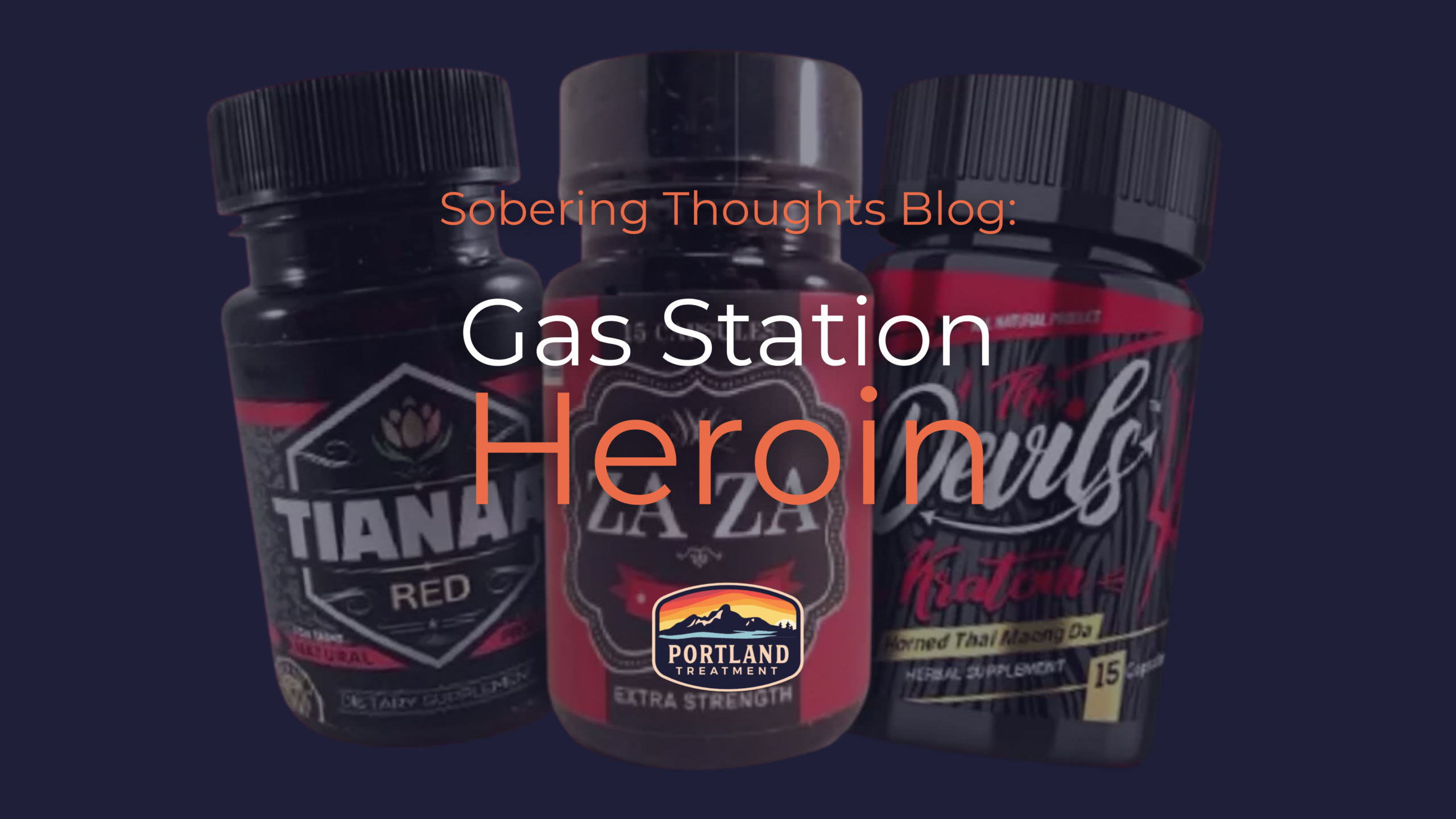

“Gas station heroin” is a street name for tianeptine, an unapproved drug in the United States that is often sold in gas stations, smoke shops, convenience stores, and online. Some products are marketed as mood boosters, nootropics, energy supplements, or products for anxiety, pain, depression, or opioid withdrawal.
Despite how casually these products may be sold, tianeptine can be dangerous. The FDA warns that tianeptine is not approved for any medical use in the United States and has been linked to serious harm, overdose, dependence, withdrawal, and death. (U.S. Food and Drug Administration)
For people struggling with opioid use, anxiety, depression, chronic pain, or withdrawal symptoms, gas station heroin can seem like an easy solution. In reality, it can make the problem worse and create a new cycle of dependence.
What Is Gas Station Heroin?
Gas station heroin usually refers to tianeptine, a drug that has antidepressant properties and is approved in some countries, but not in the United States. In the U.S., tianeptine is often sold in unregulated products under names such as:
- ZaZa
- Tianaa
- Pegasus
- TD Red
- Neptune’s Fix
- Other “mood,” “energy,” or “focus” products
The FDA says tianeptine products are often illegally marketed with claims that they can improve brain function or treat anxiety, depression, pain, opioid use disorder, or other conditions. (U.S. Food and Drug Administration)
The nickname “gas station heroin” comes from two things: how accessible these products can be and how tianeptine can produce opioid-like effects at higher doses.
Is Tianeptine an Opioid?
Tianeptine is not heroin, but it can affect the brain in opioid-like ways. The CDC has reported that tianeptine abuse and withdrawal can mimic opioid toxicity and opioid withdrawal. (CDC)
That means someone using tianeptine may experience effects similar to opioids, especially at higher doses. This can include relaxation, sedation, euphoria, slowed breathing, dependence, and withdrawal symptoms.
This is one reason tianeptine is especially risky for people with a history of opioid use disorder. Someone may begin taking it to manage pain, mood, or opioid withdrawal and then become dependent on the product itself.
Why Is Gas Station Heroin Dangerous?
Gas station heroin is dangerous because it is often sold as a supplement or nootropic even though it acts like a drug. These products may contain high doses, inconsistent ingredients, or additional substances not clearly listed on the label.
The FDA has warned consumers not to purchase or use any tianeptine product because of serious risks. The agency notes that tianeptine is marketed as a “research chemical,” “nootropic,” or dietary supplement, even though it is not approved for medical use in the U.S. (U.S. Food and Drug Administration)
Potential risks of tianeptine include:
- Dependence
- Severe withdrawal
- Overdose
- Respiratory depression
- Confusion
- Agitation
- Drowsiness
- Nausea and vomiting
- High blood pressure
- Fast heart rate
- Seizures
- Coma
- Death
Poison Control also warns that tianeptine can be abused and that severe withdrawal symptoms can occur when people who are dependent stop taking it. (Poison Control)
Why Do People Use Gas Station Heroin?
People may use gas station heroin for several reasons. Some are looking for relief from depression, anxiety, pain, or low energy. Others may be trying to manage opioid withdrawal without professional treatment. Some people may not realize how powerful or risky the product is because it is sold in familiar places like gas stations or smoke shops.
Common reasons people use tianeptine include:
- To feel calm or relaxed
- To improve mood
- To increase energy or focus
- To reduce anxiety
- To manage pain
- To self-treat depression
- To ease opioid withdrawal symptoms
- To replace opioids or kratom
- To avoid formal addiction treatment
The problem is that self-treating with tianeptine can create a dangerous cycle. A person may start using it occasionally, then need more over time, then feel unable to stop because withdrawal symptoms become severe.
Signs of Tianeptine Abuse
Tianeptine abuse may not be obvious at first. Because these products may be sold in small bottles, capsules, or packets, family members may not recognize them as a serious substance.
Possible signs of gas station heroin abuse include:
- Buying products from gas stations, vape shops, or online supplement stores
- Taking more than the label recommends
- Needing tianeptine to feel normal
- Becoming anxious or sick when unable to use it
- Hiding bottles, capsules, or receipts
- Spending large amounts of money on gas station products
- Mood swings or irritability
- Drowsiness or nodding off
- Nausea or vomiting
- Withdrawal symptoms between doses
- Trying to quit but repeatedly returning to use
A major warning sign is using tianeptine to avoid withdrawal. When someone feels sick, anxious, restless, or physically uncomfortable unless they take more, dependence may already be present.
Gas Station Heroin Withdrawal Symptoms
Tianeptine withdrawal can be intense. Because tianeptine can produce opioid-like effects, withdrawal can resemble opioid withdrawal.
Possible tianeptine withdrawal symptoms include:
- Anxiety
- Depression
- Irritability
- Panic
- Insomnia
- Restlessness
- Sweating
- Chills
- Body aches
- Muscle cramps
- Nausea
- Vomiting
- Diarrhea
- Runny nose
- Watery eyes
- Tremors
- Strong cravings
- Flu-like symptoms
- Suicidal thoughts in severe cases
The DEA has reported that severe tianeptine withdrawal symptoms have led to hospitalization. (DEA Diversion Control Division)
Because withdrawal can be difficult to manage alone, people who are dependent on tianeptine should speak with a medical professional before stopping abruptly.
Can You Overdose on Gas Station Heroin?
Yes. Tianeptine overdose can happen, especially when someone takes high doses or combines it with other substances.
The risk may increase when tianeptine is mixed with:
- Alcohol
- Benzodiazepines
- Opioids
- Sleep medications
- Muscle relaxers
- Gabapentin
- Other sedating substances
Signs of a possible overdose may include:
- Extreme sleepiness
- Confusion
- Slow or difficult breathing
- Blue lips or fingertips
- Seizures
- Loss of consciousness
- Chest pain
- Severe agitation
- Vomiting while sedated
- Coma
Call 911 immediately if someone is unconscious, having trouble breathing, having a seizure, or cannot be woken up.
Gas Station Heroin vs. Heroin
Gas station heroin is not the same thing as heroin, but the nickname reflects the danger of tianeptine misuse.
| Topic | Gas Station Heroin/Tianeptine | Heroin |
|---|---|---|
| Legal status | Not FDA-approved for medical use in the U.S.; sold illegally in some products | Illegal opioid |
| Where it may be found | Gas stations, smoke shops, convenience stores, online | Illicit drug market |
| Effects | Can produce opioid-like effects at high doses | Strong opioid effects |
| Dependence risk | Yes | Yes |
| Withdrawal risk | Yes, can mimic opioid withdrawal | Yes |
| Overdose risk | Yes | Yes |
| Main concern | Unregulated products, dependence, withdrawal, overdose | Addiction, overdose, fentanyl contamination, illegal supply |
The fact that tianeptine may be sold openly does not mean it is safe.
Is Gas Station Heroin Legal?
Tianeptine laws vary by state. It is not approved by the FDA for any medical use in the United States, and the FDA says products containing tianeptine are being unlawfully marketed and sold. (U.S. Food and Drug Administration)
Some states have taken action to ban or restrict tianeptine. However, products may still appear online or in local stores. Because laws change and enforcement varies, people should not assume that a product is safe just because they can buy it.
Treatment for Tianeptine Addiction
Treatment for tianeptine addiction may involve medical, behavioral, and recovery support. The right level of care depends on the person’s dose, withdrawal symptoms, mental health, substance use history, and relapse risk.
People using tianeptine to manage opioid withdrawal should be especially careful. Evidence-based treatment options exist for opioid use disorder, including medications such as buprenorphine, methadone, and naltrexone when clinically appropriate. Self-treating opioid withdrawal with gas station heroin can create another dangerous dependency.
Portland Treatment Can Help
Gas station heroin may be sold like a supplement, but tianeptine can cause real dependence, withdrawal, and overdose. If you are using tianeptine, opioids, alcohol, kratom, or other substances and feel unable to stop, Portland Treatment can help you find a safer path forward.
Our team supports people facing substance use and co-occurring mental health concerns with compassionate, structured care. Recovery is possible, and you do not have to manage withdrawal or cravings alone.
Contact Portland Treatment today to learn more about treatment options.
FAQs About Gas Station Heroin
What is gas station heroin?
Gas station heroin is a nickname for tianeptine, an unapproved drug that is often sold in gas stations, smoke shops, convenience stores, and online as a mood, energy, or focus product.
Is gas station heroin actually heroin?
No. Gas station heroin is not heroin. The term usually refers to tianeptine, which can produce opioid-like effects and withdrawal symptoms, especially when misused.
Is tianeptine FDA-approved?
No. Tianeptine is not approved by the FDA for any medical use in the United States. (U.S. Food and Drug Administration)
Can tianeptine cause withdrawal?
Yes. Tianeptine can cause withdrawal symptoms, and the CDC has reported that tianeptine withdrawal can mimic opioid withdrawal. (CDC)
Can you overdose on gas station heroin?
Yes. Tianeptine has been linked to serious harm, overdose, and death. The risk may be higher when it is taken in large amounts or mixed with alcohol, opioids, benzodiazepines, or other sedating drugs.
Why is tianeptine sold in gas stations?
Some companies market tianeptine products as supplements, nootropics, or mood products, even though the FDA warns that these products are not approved and may be unlawfully sold. (U.S. Food and Drug Administration)
Do you need detox for tianeptine?
Some people may need medical support to stop tianeptine safely, especially if they are taking high doses, have severe withdrawal symptoms, or are also using opioids, alcohol, benzodiazepines, or other substances.
Sources
Centers for Disease Control and Prevention. (2018). Characteristics of tianeptine exposures reported to the National Poison Data System — United States, 2000–2017. https://www.cdc.gov/mmwr/volumes/67/wr/mm6730a2.htm
Drug Enforcement Administration. (2024). Tianeptine drug fact sheet. https://www.deadiversion.usdoj.gov/drug_chem_info/tianeptine.pdf
National Capital Poison Center. (n.d.). Tianeptine: Gas station heroin. https://www.poison.org/articles/tianeptine
U.S. Food and Drug Administration. (2025). FDA warns consumers not to purchase or use any tianeptine product due to serious risks. https://www.fda.gov/drugs/drug-alerts-and-statements/fda-warns-consumers-not-purchase-or-use-any-tianeptine-product-due-serious-risks
U.S. Food and Drug Administration. (2025). Tianeptine products linked to serious harm, overdoses, death. https://www.fda.gov/consumers/consumer-updates/tianeptine-products-linked-serious-harm-overdoses-death
It’s easy and free!
Tags:tianeptine

John Ingham
John Ingham is a respected leader and medical content writer specializing in behavioral health, addiction treatment, and other mental health. With more than a decade of experience in the recovery and treatment field, his work has been featured across leading treatment networks and educational platforms, and has contributed as a lecturer in graduate level seminars within the Steve Hicks School of Social Work at University of Texas at Austin, and undergraduate seminars at Vanderbilt University. John's work has also been recognized in public service announcements, documentaries and more, including a feature that won an Emmy Award. John has collaborated with presidential appointees in the White House, clinicians, program directors, and other leaders throughout the behavioral health space, further establishing his role as a trusted voice in the field.