Addiction is not a matter of willpower. It is a complex condition that can affect the brain, body, behavior, relationships, and daily life. The hardest addictions to quit are often the ones that create strong physical dependence, intense cravings, dangerous withdrawal symptoms, or powerful emotional patterns that keep a person trapped in the cycle of …

Addiction is not a matter of willpower. It is a complex condition that can affect the brain, body, behavior, relationships, and daily life. The hardest addictions to quit are often the ones that create strong physical dependence, intense cravings, dangerous withdrawal symptoms, or powerful emotional patterns that keep a person trapped in the cycle of use.
There is no single official ranking of the hardest addictions to quit because every person’s experience is different. Factors like genetics, mental health, trauma history, environment, length of use, polysubstance use, and access to treatment all play a role. However, some addictions are widely recognized as especially difficult because of the way they affect the brain and body.
Below is a general ranking of ten addictions that are often among the most difficult to quit.
Top Ten Hardest Addictions to Quit At a Glance
| Rank | Addiction | Why It Can Be Hard to Quit |
|---|---|---|
| Ten | Cannabis | Sleep problems, irritability, cravings, appetite changes, and social normalization |
| Nine | Kratom and 7-OH Products | Opioid-like effects, withdrawal symptoms, dependence, and inconsistent product strength |
| Eight | Prescription Stimulants | Fatigue, depression, cravings, low motivation, and psychological dependence |
| Seven | Gambling | Behavioral cravings, financial consequences, shame, secrecy, and constant access through apps |
| Six | Cocaine and Crack Cocaine | Intense cravings, binge patterns, depression, and strong reward-system effects |
| Five | Methamphetamine | Long-lasting cravings, depression, anxiety, sleep disruption, and cognitive effects |
| Four | Nicotine | Fast dopamine effects, constant legal access, withdrawal, and repeated daily cues |
| Three | Alcohol | Social acceptance, physical dependence, relapse risk, and potentially dangerous withdrawal |
| Two | Benzodiazepines | Severe dependence risk, anxiety rebound, seizures, and need for medical tapering |
| One | Opioids and Fentanyl | Severe withdrawal, high overdose risk, cravings, tolerance, and fentanyl contamination |
10. Cannabis Addiction
Cannabis is sometimes viewed as harmless because it is legal in many states and commonly used recreationally. However, cannabis can still become addictive for some people. When someone uses cannabis heavily or daily, quitting can lead to withdrawal symptoms such as irritability, anxiety, sleep problems, decreased appetite, mood swings, and cravings.
Cannabis can be especially hard to quit because many people underestimate how dependent they have become until they try to stop. For some, cannabis becomes part of their sleep routine, appetite, stress relief, social life, or emotional coping system. This can make quitting feel less like giving up a drug and more like losing a daily survival tool.
Cannabis withdrawal is usually not considered medically dangerous in the same way that alcohol or benzodiazepine withdrawal can be, but it can still be uncomfortable enough to pull someone back into use.
9. Kratom and 7-OH Products
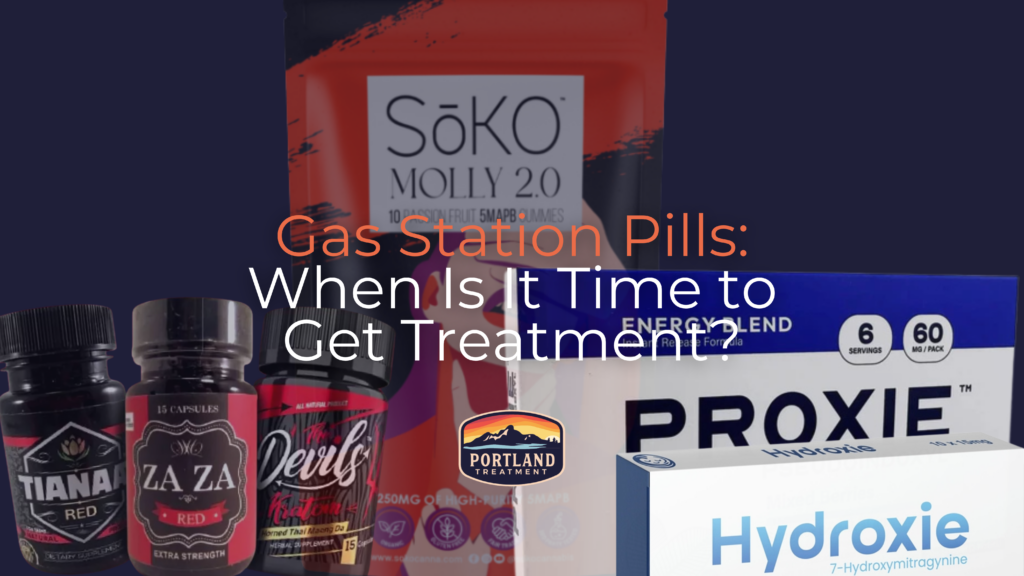
Kratom is an herbal substance that can produce stimulant-like effects at lower doses and opioid-like effects at higher doses. Some people begin using kratom to manage pain, anxiety, low energy, or opioid withdrawal, but regular use can lead to dependence.
Kratom and concentrated 7-OH products can be difficult to quit because they may produce opioid-like withdrawal symptoms. These can include body aches, sweating, anxiety, insomnia, irritability, nausea, cravings, and restlessness. Another issue is product inconsistency. Many kratom products are not regulated in the same way prescription medications are, so strength and purity can vary.
People may also struggle psychologically because kratom is often marketed as “natural.” Natural does not always mean safe, non-addictive, or easy to stop.
8. Prescription Stimulant Addiction
Prescription stimulants such as Adderall, Vyvanse, Ritalin, and similar medications can be helpful when taken exactly as prescribed for conditions like ADHD. However, misuse can lead to dependence and addiction.
Prescription stimulant addiction can be hard to quit because people may rely on the drug for energy, focus, productivity, confidence, or weight control. When they stop, they may experience fatigue, depression, sleep changes, low motivation, increased appetite, irritability, and strong cravings.
This can be especially difficult for people who have built their work, school, or daily performance around stimulant use. Even when the body is no longer intoxicated, the person may feel like they cannot function normally without the drug.
7. Gambling Addiction
Gambling addiction is different from substance addiction because it does not involve taking a drug into the body. However, it can still become a powerful behavioral addiction. Gambling can trigger reward pathways in the brain, especially when wins are unpredictable.
One reason gambling is so hard to quit is the emotional cycle. A person may gamble to escape stress, chase losses, recover money, feel excitement, or numb shame. Losses can create desperation, and occasional wins can reinforce the belief that the next bet will fix everything.
Modern sports betting, casino apps, online gambling, and instant access have made gambling easier to hide and harder to avoid. Unlike quitting a substance, someone recovering from gambling addiction may also have to repair financial damage, rebuild trust, and learn how to tolerate uncertainty without chasing another risk.
6. Cocaine and Crack Cocaine Addiction
Cocaine and crack cocaine are powerful stimulants that strongly affect dopamine, a brain chemical involved in reward and motivation. These drugs can create intense euphoria followed by a crash, which often leads to repeated use.
Cocaine addiction can be hard to quit because cravings can be sudden and intense. People may also experience depression, fatigue, anxiety, irritability, sleep problems, and difficulty feeling pleasure without the drug. Crack cocaine can be especially compulsive because of how quickly the effects come on and wear off.
The binge-crash cycle can make people feel stuck. They may use to feel better, crash afterward, feel worse, and then use again to escape the crash.
5. Methamphetamine Addiction
Methamphetamine is one of the most difficult stimulant addictions to overcome. It can affect energy, mood, sleep, appetite, motivation, memory, and decision-making. Long-term meth use can also be associated with paranoia, anxiety, depression, aggression, and psychosis.
Quitting meth can be difficult because withdrawal often includes extreme fatigue, depression, anxiety, sleep disruption, low motivation, and powerful cravings. Some people continue to experience mood and cognitive symptoms for weeks or months after stopping.
Meth recovery often requires more than detox. People usually need structure, behavioral therapy, relapse-prevention planning, mental health care, and long-term support to rebuild routines and repair the damage caused by prolonged stimulant use.
4. Nicotine Addiction
Nicotine is legal, widely available, and socially common, but it is also one of the most addictive substances. Cigarettes, vapes, pouches, cigars, and other nicotine products can all create dependence.
Nicotine is hard to quit because it acts quickly in the brain and becomes attached to daily routines. People may use nicotine when they wake up, drive, work, eat, feel stressed, drink coffee, take breaks, or socialize. This creates dozens of daily triggers.
Withdrawal symptoms may include irritability, anxiety, trouble concentrating, increased appetite, sleep problems, restlessness, and cravings. Many people need multiple quit attempts before they stop for good, and that does not mean they failed. It means nicotine addiction is difficult and often requires repeated support.
3. Alcohol Addiction
Alcohol can be one of the hardest addictions to quit because it is legal, socially accepted, easy to access, and deeply connected to many social events. People may drink to relax, sleep, cope with anxiety, manage trauma, avoid withdrawal, or feel normal.
Alcohol withdrawal can also be dangerous. For people who are physically dependent, suddenly stopping alcohol may lead to tremors, sweating, anxiety, nausea, insomnia, seizures, hallucinations, or delirium tremens. This is why people with heavy or long-term alcohol use should not try to detox on their own without medical guidance.
Alcohol addiction can also be difficult because drinking is often normalized. A person may be surrounded by alcohol at restaurants, holidays, family gatherings, sporting events, work functions, and celebrations. Recovery often requires changing routines, relationships, coping skills, and environments.
2. Benzodiazepine Addiction
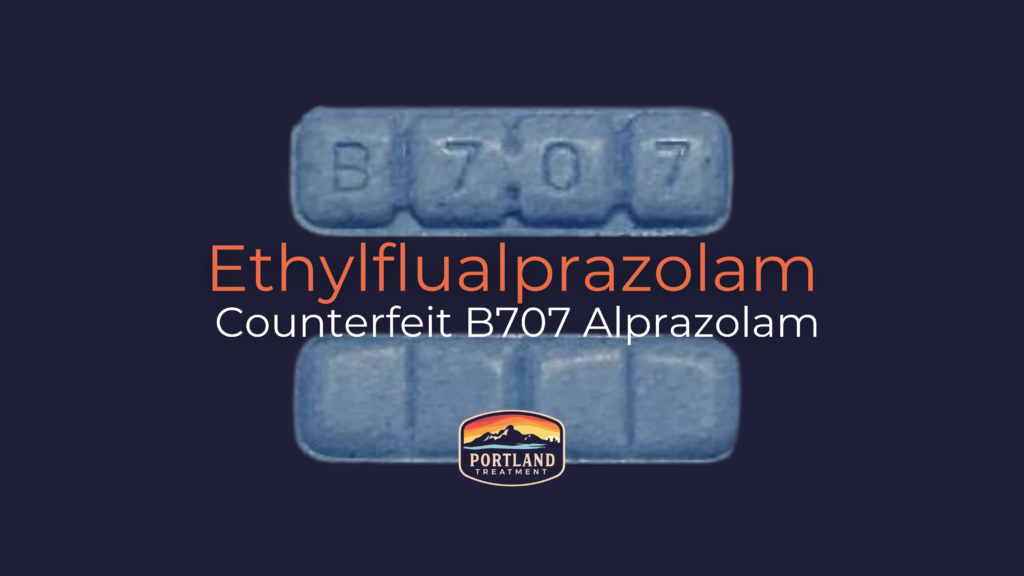
Benzodiazepines include medications such as Xanax, Klonopin, Ativan, Valium, and others. These medications may be prescribed for anxiety, panic attacks, insomnia, seizures, or other conditions. However, they can cause physical dependence, even when taken as prescribed.
Benzodiazepine withdrawal can be severe and potentially life-threatening. Symptoms may include rebound anxiety, panic, insomnia, tremors, irritability, muscle pain, sensory sensitivity, confusion, and seizures. Because of these risks, benzodiazepines should usually be tapered under medical supervision rather than stopped suddenly.
This addiction can be especially hard to quit because the original symptoms often come back stronger. Someone who started taking benzodiazepines for anxiety may feel trapped when withdrawal causes even more anxiety. A safe taper, clinical support, and alternative coping strategies are often essential.
1. Opioid and Fentanyl Addiction
Opioid addiction is often considered one of the hardest addictions to quit because of the combination of severe withdrawal, intense cravings, tolerance, overdose risk, and emotional dependence. Opioids include heroin, fentanyl, oxycodone, hydrocodone, morphine, and other prescription or illicit opioids.
Fentanyl has made opioid addiction even more dangerous because it is extremely potent and may appear in counterfeit pills or other drugs without the person knowing. This increases the risk of accidental overdose.
Opioid withdrawal can include body aches, sweating, nausea, vomiting, diarrhea, chills, insomnia, anxiety, restlessness, and intense cravings. While opioid withdrawal is not usually life-threatening by itself, it can feel unbearable and often drives people back to use. After a period of abstinence, tolerance drops, which can increase overdose risk if someone relapses.
Medication-assisted treatment, also called medications for opioid use disorder, can be life-saving. Options such as buprenorphine, methadone, and naltrexone may help reduce cravings, stabilize brain chemistry, and support long-term recovery when combined with counseling and support.
Why Are Some Addictions Harder to Quit Than Others?
Some addictions are harder to quit because they affect both the body and the mind. Physical dependence can make someone feel sick or unsafe without the substance. Psychological dependence can make someone feel like they cannot cope, sleep, work, relax, or socialize without it.
Common reasons addictions become difficult to quit include:
- Physical withdrawal symptoms
- Strong cravings
- Easy access to the substance or behavior
- Social pressure or normalization
- Co-occurring anxiety, depression, trauma, or chronic pain
- Fear of withdrawal
- Shame and secrecy
- Loss of routine or identity
- Repeated relapse cycles
- Lack of support at home
- Untreated mental health symptoms
Addiction recovery is not just about stopping the substance or behavior. It is about learning how to live without needing it.
Is Relapse Common When Quitting Addiction?
Yes, relapse can happen during recovery, but it does not mean treatment failed. Addiction is a chronic condition, and recovery often takes time, structure, and ongoing support. Many people need more than one attempt before they achieve lasting stability.
Relapse risk can increase when someone leaves treatment without a plan, returns to the same environment, avoids mental health care, stops attending support groups, or tries to manage cravings alone. A strong relapse-prevention plan can help people recognize warning signs early and respond before returning to use.
The Hardest Addiction to Quit Is the One You Are Facing
Rankings can be helpful for education, but they do not tell the whole story. A person addicted to cannabis may struggle more than someone addicted to alcohol. Someone with nicotine addiction may have tried to quit twenty times. Someone with gambling addiction may feel completely powerless even though no substance is involved.
The hardest addiction to quit is the one that has control over your life.
If you or someone you love cannot stop despite consequences, help is available. Addiction is treatable, and recovery is possible with the right support.
Addiction Treatment in Maine
Portland Treatment provides compassionate addiction treatment near Portland, Maine for people struggling with substance use and co-occurring mental health concerns. Our team understands that recovery is personal. We help clients build practical tools for sobriety, emotional stability, relapse prevention, and long-term healing.
Treatment may include therapy, group support, relapse-prevention planning, mental health care, family support, and help building healthier routines. For people who need detox before beginning outpatient care, professional support can help connect them with the appropriate level of care.
Get Help for Addiction Today
You do not have to wait until addiction gets worse to ask for help. Whether you are struggling with alcohol, opioids, benzodiazepines, stimulants, cannabis, or another addiction, Portland Treatment can help you take the next step toward recovery.
Contact Portland Treatment today to learn more about addiction treatment in Maine and start building a life that is not controlled by substance use.
Frequently Asked Questions
What is the hardest addiction to quit?
There is no single official answer because every person’s experience is different. However, opioid addiction, benzodiazepine addiction, alcohol addiction, nicotine addiction, and methamphetamine addiction are often considered among the hardest to quit because of withdrawal symptoms, cravings, relapse risk, and health dangers.
Why are opioids so hard to quit?
Opioids are hard to quit because they can create strong physical dependence and intense cravings. Withdrawal symptoms can feel overwhelming, and fentanyl has increased overdose risk. Medications such as buprenorphine, methadone, and naltrexone may help people manage opioid use disorder as part of a treatment plan.
Can alcohol withdrawal be dangerous?
Yes. Alcohol withdrawal can be dangerous and may include seizures, hallucinations, or delirium tremens in severe cases. People who drink heavily or daily should speak with a medical professional before stopping suddenly.
Why are benzodiazepines difficult to stop?
Benzodiazepines can cause physical dependence, even when taken as prescribed. Stopping suddenly can cause severe withdrawal symptoms, including seizures. Many people need a supervised taper to stop safely.
Is nicotine really one of the hardest addictions to quit?
Yes. Nicotine can be extremely difficult to quit because it works quickly in the brain and becomes tied to daily routines. Many people need multiple quit attempts, nicotine replacement, medication, counseling, or support to stop successfully.
Is cannabis addictive?
Cannabis can be addictive for some people. Heavy or long-term cannabis use may lead to withdrawal symptoms such as irritability, sleep problems, anxiety, appetite changes, and cravings when someone stops.
Is gambling considered an addiction?
Yes. Gambling disorder is recognized as a behavioral addiction. It can involve cravings, loss of control, financial harm, secrecy, and repeated unsuccessful attempts to stop.
What addiction has the worst withdrawal?
Alcohol and benzodiazepine withdrawal are among the most medically dangerous because they can involve seizures or life-threatening complications. Opioid withdrawal is usually not life-threatening by itself, but it can be extremely painful and can increase relapse and overdose risk.
Can someone quit addiction without treatment?
Some people stop without formal treatment, but many need professional help, especially when withdrawal may be dangerous or relapse risk is high. Treatment can provide structure, therapy, medical support, accountability, and relapse-prevention tools.
When should someone seek addiction treatment?
Someone should seek treatment when they cannot stop using despite consequences, experience withdrawal, hide their use, need more of a substance to feel the same effects, relapse after trying to quit, or continue using even when it harms their health, relationships, work, or safety.
Sources
Centers for Disease Control and Prevention. (2024). Smoking cessation: Fast facts. https://www.cdc.gov/tobacco/php/data-statistics/smoking-cessation/index.html
Food and Drug Administration. (2020). FDA requiring boxed warning updated to improve safe use of benzodiazepine drug class. https://www.fda.gov/media/142368/download
Food and Drug Administration. (2023). FDA updating warnings to improve safe use of prescription stimulants used to treat ADHD and other conditions. https://www.fda.gov/drugs/drug-safety-communications/fda-updating-warnings-improve-safe-use-prescription-stimulants-used-treat-adhd-and-other-conditions
Food and Drug Administration. (2025). FDA and kratom. https://www.fda.gov/news-events/public-health-focus/fda-and-kratom
National Institute on Alcohol Abuse and Alcoholism. (n.d.). Understanding alcohol use disorder. https://www.niaaa.nih.gov/publications/brochures-and-fact-sheets/understanding-alcohol-use-disorder
National Institute on Drug Abuse. (2020). Drug misuse and addiction. https://nida.nih.gov/publications/drugs-brains-behavior-science-addiction/drug-misuse-addiction
National Institute on Drug Abuse. (2020). Treatment and recovery. https://nida.nih.gov/publications/drugs-brains-behavior-science-addiction/treatment-recovery
National Institute on Drug Abuse. (2024). Methamphetamine. https://nida.nih.gov/research-topics/methamphetamine
National Institute on Drug Abuse. (2024). Cannabis (marijuana). https://nida.nih.gov/research-topics/cannabis-marijuana
National Institute on Drug Abuse. (2026). Kratom. https://nida.nih.gov/research-topics/kratom
Substance Abuse and Mental Health Services Administration. (2020). Treatment of stimulant use disorders. https://library.samhsa.gov/product/treatment-stimulant-use-disorders/pep20-06-01-001
Substance Abuse and Mental Health Services Administration. (2025). Treatment options for substance use disorder. https://www.samhsa.gov/substance-use/treatment/options
Yau, Y. H. C., & Potenza, M. N. (2015). Gambling disorder and other behavioral addictions: Recognition and treatment. Harvard Review of Psychiatry, 23(2), 134–146. https://pmc.ncbi.nlm.nih.gov/articles/PMC4458066/
It’s easy and free!

John Ingham
John Ingham is a respected leader and medical content writer specializing in behavioral health, addiction treatment, and other mental health. With more than a decade of experience in the recovery and treatment field, his work has been featured across leading treatment networks and educational platforms, and has contributed as a lecturer in graduate level seminars within the Steve Hicks School of Social Work at University of Texas at Austin, and undergraduate seminars at Vanderbilt University. John's work has also been recognized in public service announcements, documentaries and more, including a feature that won an Emmy Award. John has collaborated with presidential appointees in the White House, clinicians, program directors, and other leaders throughout the behavioral health space, further establishing his role as a trusted voice in the field.