Gabapentin is often described as a “non-opioid” medication, which can make it sound low-risk. In many cases, gabapentin is used appropriately and may help people manage certain seizure disorders, nerve pain, or other symptoms under medical supervision. However, “non-opioid” does not mean “risk-free.” Gabapentin can be misused. Some people may develop dependence on it, and …
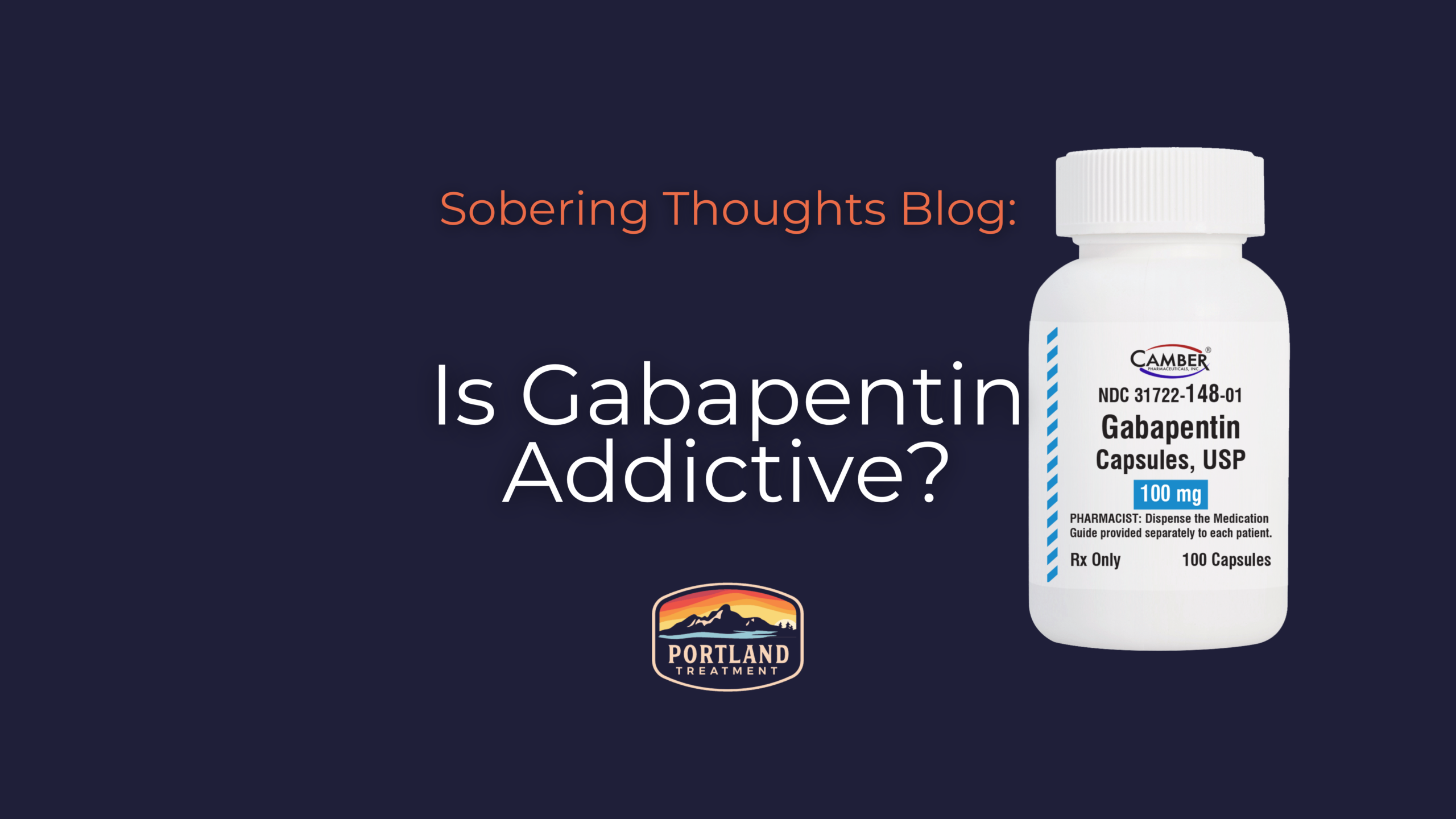

Gabapentin is often described as a “non-opioid” medication, which can make it sound low-risk. In many cases, gabapentin is used appropriately and may help people manage certain seizure disorders, nerve pain, or other symptoms under medical supervision. However, “non-opioid” does not mean “risk-free.”
Gabapentin can be misused. Some people may develop dependence on it, and stopping it suddenly can cause uncomfortable or potentially serious symptoms. For people with a history of substance use, opioid use, sedative use, or polysubstance use, gabapentin deserves careful attention.
At Portland Treatment Center, we believe medication questions should be handled with clarity, not fear. Gabapentin is not the same as heroin, fentanyl, benzodiazepines, or alcohol. But it can still become part of a harmful pattern when it is taken in higher doses than prescribed, mixed with other substances, or used for effects other than medical relief.
What Is Gabapentin?
Gabapentin is a prescription medication originally developed as an anticonvulsant. It is commonly known by the brand name Neurontin, though generic gabapentin is widely used. It may be prescribed for seizure disorders, nerve pain, and certain off-label uses depending on a person’s symptoms and medical history.
Gabapentin affects the nervous system. It is not an opioid, and it does not work the same way as opioid pain medications. Still, it can cause sedation, dizziness, impaired coordination, and other central nervous system effects. Those effects become more concerning when gabapentin is combined with opioids, alcohol, benzodiazepines, sleep medications, or other sedating drugs.
Is Gabapentin Considered Addictive?
Gabapentin is not considered addictive in the same way that many controlled substances are. In the United States, gabapentin is not federally scheduled as a controlled substance, although some states have added restrictions or monitoring requirements because of misuse concerns.
The more accurate answer is this: gabapentin has misuse, dependence, and withdrawal potential, especially in higher-risk situations.
A systematic review published in Addiction found that gabapentin misuse has been reported among the general population, among people with prescriptions, and at higher rates among people who misuse opioids. The review also noted that people may misuse gabapentin for effects such as relaxation, euphoria, sedation, or to enhance the effects of other substances.
That does not mean every person who takes gabapentin will become addicted. Many people take it as prescribed without developing a substance use disorder. The concern is greatest when gabapentin is used outside of medical direction or combined with other drugs.
Addiction vs. Dependence: What Is the Difference?
Gabapentin can be confusing because people often use the words “addiction” and “dependence” interchangeably. They are related, but they are not the same.
Dependence means the body has adapted to a substance. When the substance is reduced or stopped, withdrawal symptoms may occur. Physical dependence can happen with many medications, even when someone takes them exactly as prescribed.
Addiction, or substance use disorder, involves a pattern of compulsive use despite harm. A person may continue using a substance even when it damages their health, relationships, work, finances, or safety.
With gabapentin, a person may be physically dependent without meeting the criteria for addiction. However, gabapentin can also be misused in ways that become compulsive or dangerous.
Why Do People Misuse Gabapentin?
Gabapentin misuse may happen for several reasons. Some people take more than prescribed because they are trying to manage pain, anxiety, insomnia, or withdrawal symptoms on their own. Others may take gabapentin to feel sedated, relaxed, intoxicated, or emotionally numb.
Gabapentin misuse is also a concern in people who use opioids. Some individuals report using gabapentin to increase or modify the effects of opioids. This is dangerous because combining gabapentin with opioids or other depressants can increase the risk of serious breathing problems.
The FDA has warned that gabapentin and pregabalin may cause serious breathing difficulties in people with respiratory risk factors, including people who use opioids or other central nervous system depressants. Older adults and people with lung conditions such as COPD may also face higher risk.
Signs Gabapentin Use May Be Becoming a Problem
Gabapentin misuse does not always look obvious at first. A person may still have a prescription and may believe their use is under control. Over time, warning signs may become harder to ignore.
Possible signs of gabapentin misuse include:
- Taking more gabapentin than prescribed
- Running out of medication early
- Taking gabapentin without a prescription
- Mixing gabapentin with opioids, alcohol, benzodiazepines, or sleep medications
- Feeling unable to relax, sleep, or function without it
- Using gabapentin to feel high, numb, sedated, or detached
- Doctor shopping or trying to get multiple prescriptions
- Continuing to use gabapentin despite negative consequences
- Feeling anxious or physically unwell when doses are missed
- Hiding use from family, friends, or medical providers
These signs do not prove someone has an addiction, but they do suggest that a professional assessment may be needed.
Why Gabapentin and Opioids Can Be Dangerous Together
Gabapentin is sometimes used in people who also have opioid prescriptions or a history of opioid use. In some situations, that may be medically appropriate. However, the combination should be taken seriously.
Both gabapentin and opioids can depress the central nervous system. When taken together, the effects can stack. This may increase sedation, confusion, impaired coordination, and respiratory depression. The FDA specifically warns about serious breathing problems when gabapentinoids are used with opioids or other CNS depressants.
This risk matters for people in active addiction, early recovery, relapse, or medication-assisted treatment. A person may underestimate gabapentin because it is not an opioid, but combining substances can still increase overdose risk.
Can You Become Dependent on Gabapentin?
Yes, some people can become dependent on gabapentin. Dependence is more likely when gabapentin is taken regularly for a long period of time, at higher doses, or in combination with other substances.
Dependence does not always mean someone was “abusing” the medication. A person may take gabapentin exactly as prescribed and still need a gradual taper when stopping. This is one reason it is important not to abruptly stop gabapentin without medical guidance.
The FDA-approved Neurontin label states that if gabapentin is reduced, discontinued, or replaced with another medication, it should be done gradually over at least one week, and longer may be needed depending on the prescriber’s judgment.
A Note About Gabapentin Withdrawal
Gabapentin withdrawal can happen when someone suddenly stops or rapidly reduces the medication after regular use. Symptoms may include anxiety, insomnia, nausea, sweating, agitation, headache, restlessness, and rebound pain. In some cases, especially for people with seizure disorders, stopping gabapentin suddenly may increase seizure risk. Mayo Clinic also advises patients not to stop gabapentin without checking with a doctor because sudden discontinuation may increase seizure risk.
Withdrawal risk is one reason gabapentin should be tapered under medical supervision. If someone is taking gabapentin along with opioids, alcohol, benzodiazepines, or other substances, withdrawal and detox planning may be more complex.
Internal link opportunity: Learn more in our upcoming guide to gabapentin withdrawal symptoms, timeline, and treatment options.
Who Is at Higher Risk for Gabapentin Misuse?
Gabapentin misuse can happen in different populations, but some people may be at higher risk than others.
Higher-risk situations may include:
- A history of opioid use disorder
- A history of sedative, alcohol, or polysubstance use
- Taking gabapentin with opioids or benzodiazepines
- Taking higher-than-prescribed doses
- Using gabapentin without a prescription
- Untreated anxiety, trauma, insomnia, or chronic pain
- A pattern of using medications to self-manage withdrawal symptoms
- Prior overdose or high-risk drug combinations
The concern is not just whether gabapentin is “addictive” by itself. The bigger question is how it is being used, why it is being used, and what else is being used with it.
Is Gabapentin Safe in Recovery?
Gabapentin may be appropriate for some people in recovery, but it should be monitored carefully. There is no one-size-fits-all answer.
For one person, gabapentin may be a legitimate medication that supports stability. For another person, it may become a substitute substance, a relapse trigger, or part of a dangerous combination with opioids, alcohol, or sedatives.
People in recovery should be honest with their prescriber about:
- Past substance use
- Current cravings
- Any history of medication misuse
- Other prescriptions
- Alcohol or drug use
- Sedation, dizziness, or memory problems
- Any urge to take more than prescribed
A good treatment plan does not shame people for needing medication. It simply makes sure medications are being used safely and for the right reasons.
How Gabapentin Misuse Is Treated
Treatment depends on the person’s symptoms, substance use history, medical needs, and current level of risk. Someone who is taking gabapentin as prescribed may only need medical guidance for tapering. Someone who is misusing gabapentin with opioids, alcohol, or benzodiazepines may need a more structured level of care.
Treatment may include:
- Medical evaluation
- Medication review
- Supervised tapering when appropriate
- Detox support if multiple substances are involved
- Mental health assessment
- Therapy for anxiety, trauma, pain, or insomnia
- Relapse prevention planning
- Support for opioid, alcohol, or polysubstance use disorders
- Step-down care through residential treatment, PHP, or IOP when clinically appropriate
At Portland Treatment Center, we help people look at the full picture. The goal is not just to stop one medication. The goal is to understand the pattern, reduce risk, and build a sustainable recovery plan.
When to Get Help
It may be time to seek help if gabapentin use feels difficult to control, if you are mixing it with other substances, or if you feel sick or anxious when you miss a dose. It is also important to get help if gabapentin is being used to manage opioid withdrawal, alcohol withdrawal, or benzodiazepine withdrawal without medical supervision.
You do not need to wait until things become severe. Early support can prevent a medication problem from becoming more dangerous.
Final Thoughts
Gabapentin is not an opioid, and many people take it safely under medical supervision. However, gabapentin can be misused, can lead to dependence, and can cause withdrawal symptoms when stopped suddenly. The risks are especially important for people with a history of substance use or those combining gabapentin with opioids, alcohol, benzodiazepines, or other sedating drugs.
If gabapentin has become part of a larger pattern of substance use, Portland Treatment Center can help you take the next step. With the right support, it is possible to address medication misuse, manage withdrawal risk safely, and move toward long-term recovery.
Frequently Asked Questions About Gabapentin Dependence
Can you become addicted to gabapentin?
Yes, it is possible to misuse gabapentin and develop a problematic pattern of use. Gabapentin is not considered addictive in the same way as opioids, benzodiazepines, or stimulants, but some people may misuse it for sedation, relaxation, or to intensify the effects of other substances. A person may also become physically dependent on gabapentin, which means withdrawal symptoms can occur if they suddenly stop taking it.
Can you abuse gabapentin?
Yes, gabapentin can be abused. Gabapentin abuse may involve taking higher doses than prescribed, taking it without a prescription, using it to feel intoxicated, or combining it with opioids, alcohol, benzodiazepines, or other sedating drugs. This can be dangerous because gabapentin can increase sedation and may raise the risk of breathing problems when mixed with other central nervous system depressants.
Does gabapentin get you high?
Some people report feeling relaxed, sedated, euphoric, or “high” when misusing gabapentin, especially at higher doses or when it is combined with other substances. However, using gabapentin this way is risky. The effects can be unpredictable, and mixing gabapentin with opioids, alcohol, or benzodiazepines can increase the risk of serious side effects, including extreme drowsiness and slowed breathing.
How is gabapentin abused?
Gabapentin may be abused by taking it in ways other than prescribed. This can include taking more than directed, using someone else’s prescription, taking it more often than prescribed, or combining it with other substances to increase sedation or intoxication. Gabapentin abuse is especially concerning when it occurs alongside opioid, alcohol, or benzodiazepine use.
Why do people abuse gabapentin?
People may abuse gabapentin for several reasons. Some use it to feel calm, sedated, or detached. Others may use it to intensify the effects of opioids or to try to manage withdrawal symptoms without medical support. Some people begin misusing gabapentin while trying to cope with pain, anxiety, insomnia, or emotional distress. Regardless of the reason, gabapentin misuse can become dangerous and should be taken seriously.
Is gabapentin a street drug?
Gabapentin is a prescription medication, not an illegal street drug by definition. However, gabapentin can be diverted, meaning it may be sold or shared outside of a legitimate prescription. In those cases, it may be used in street drug settings, especially among people who are also using opioids or other sedating substances.
Is gabapentin an opioid or opiate?
No, gabapentin is not an opioid or an opiate. It is an anticonvulsant medication that may be prescribed for seizures and certain types of nerve pain. Even though gabapentin is not an opioid, it can still be risky when misused or combined with opioids because both can affect the central nervous system.
Is the drug gabapentin a narcotic?
Gabapentin is not classified as a narcotic opioid. In medical and legal contexts, the word “narcotic” is often used to refer to opioids such as morphine, oxycodone, heroin, or fentanyl. Gabapentin does not belong to that drug class. However, gabapentin can still be misused, may cause dependence, and may be restricted or monitored in some states because of abuse concerns.
Sources
Smith, R. V., Havens, J. R., & Walsh, S. L. (2016). Gabapentin misuse, abuse and diversion: A systematic review. Addiction, 111(7), 1160–1174. https://pmc.ncbi.nlm.nih.gov/articles/PMC5573873/
U.S. Food and Drug Administration. (2019, December 19). Neurontin, Gralise, Horizant (gabapentin) and Lyrica, Lyrica CR (pregabalin): Drug safety communication—serious breathing problems. https://www.fda.gov/safety/medical-product-safety-information/neurontin-gralise-horizant-gabapentin-and-lyrica-lyrica-cr-pregabalin-drug-safety-communication
U.S. Food and Drug Administration. (2017). Neurontin (gabapentin) capsules, tablets, and oral solution: Prescribing information. https://www.accessdata.fda.gov/drugsatfda_docs/label/2017/020235s064_020882s047_021129s046lbl.pdf
Mayo Clinic. (2026, June 1). Gabapentin (oral route). https://www.mayoclinic.org/drugs-supplements/gabapentin-oral-route/description/drg-20064011
U.S. Drug Enforcement Administration, Diversion Control Division. (2026). Controlled substance schedules. https://www.deadiversion.usdoj.gov/schedules/schedules.html
It’s easy and free!

John Ingham
John Ingham is a respected leader and medical content writer specializing in behavioral health, addiction treatment, and other mental health. With more than a decade of experience in the recovery and treatment field, his work has been featured across leading treatment networks and educational platforms, and has contributed as a lecturer in graduate level seminars within the Steve Hicks School of Social Work at University of Texas at Austin, and undergraduate seminars at Vanderbilt University. John's work has also been recognized in public service announcements, documentaries and more, including a feature that won an Emmy Award. John has collaborated with presidential appointees in the White House, clinicians, program directors, and other leaders throughout the behavioral health space, further establishing his role as a trusted voice in the field.