The term chemsex describes the intentional use of drugs before or during sexual activity to intensify pleasure, increase confidence, lower inhibitions, prolong sex, or change the emotional experience of intimacy. Although sexualized drug use can occur among people of any gender or sexual orientation, the term chemsex has historically been used most often in research …

The term chemsex describes the intentional use of drugs before or during sexual activity to intensify pleasure, increase confidence, lower inhibitions, prolong sex, or change the emotional experience of intimacy.
Although sexualized drug use can occur among people of any gender or sexual orientation, the term chemsex has historically been used most often in research involving gay, bisexual, and other men who have sex with men. Researchers commonly associate chemsex with substances such as methamphetamine, GHB or GBL, and mephedrone, although cocaine, ketamine, MDMA, erectile dysfunction medications, and other drugs may also be involved.
For some people, chemsex is occasional. For others, however, sex and substance use can gradually become so closely connected that enjoying sex, seeking intimacy, or even becoming sexually aroused without drugs becomes difficult.
When that happens, the problem may involve much more than substance use alone.
What Does Chemsex Mean?
Chemsex is generally defined as using psychoactive substances specifically to initiate, enhance, or prolong sexual activity.
People may use substances during sex for different reasons, including:
- Increasing sexual desire or arousal
- Reducing anxiety or self-consciousness
- Feeling more confident
- Increasing physical stamina
- Prolonging sexual activity
- Intensifying physical sensations
- Feeling emotionally connected to another person
- Escaping loneliness, stress, trauma, or difficult emotions
- Reducing inhibitions surrounding sexual preferences or experiences
Understanding those motivations matters. Someone struggling with chemsex may not simply be chasing intoxication. Drugs can become connected with confidence, sexuality, intimacy, belonging, emotional escape, and identity. That can make stopping particularly complicated.
What Drugs Are Commonly Used During Chemsex?
Chemsex does not refer to one particular drug.
Research most commonly identifies crystal methamphetamine, GHB/GBL, and mephedrone as traditional chemsex drugs.
Methamphetamine
Methamphetamine can produce increased energy, euphoria, wakefulness, confidence, and sexual arousal. SAMHSA notes that some people specifically use methamphetamine to enhance sexual experiences.
Because its effects can last for many hours, methamphetamine may contribute to prolonged sexual activity and extended periods without adequate sleep, food, or hydration.
Repeated methamphetamine use can also contribute to dependence, cardiovascular problems, anxiety, paranoia, sleep disruption, and other serious health consequences.
GHB and GBL
Gamma-hydroxybutyrate, or GHB, is a central nervous system depressant. GBL is a related chemical that the body converts into GHB. People may use GHB because it can produce relaxation, euphoria, increased sociability, and reduced inhibition.
The difference between an intended dose and a dangerous dose can be small, however. Excessive GHB exposure can cause profound sedation, unconsciousness, respiratory depression, coma, and potentially fatal overdose.
Combining depressants can further increase risk.
Mephedrone and Other Synthetic Cathinones
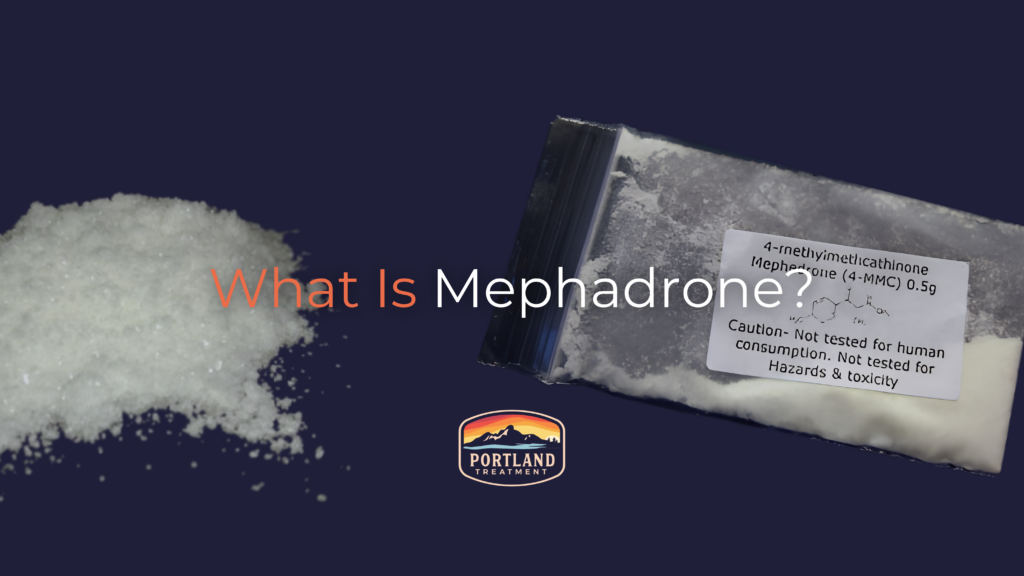
Mephedrone is a synthetic stimulant historically associated with chemsex, particularly outside the United States.
Synthetic cathinones can produce stimulant effects such as increased energy, euphoria, sociability, and sexual arousal. The substances being sold within illicit drug markets can also vary substantially in composition and potency.
Cocaine and Other Stimulants
Cocaine and amphetamines may also be incorporated into sexualized drug use. Like methamphetamine, stimulants can increase energy and sexual drive while reducing sleep and impairing judgment.
Ketamine
Ketamine sometimes appears alongside more traditional chemsex substances. Because ketamine can produce dissociation and impaired coordination, its presence can introduce a very different set of risks than stimulant use alone.
Multiple Drugs at the Same Time
One of the more concerning characteristics of some chemsex environments is polysubstance use. People may take one drug to create stimulation, another to reduce anxiety, another to maintain sexual performance, and another to eventually sleep.
Research increasingly describes overlapping stimulant and depressant use within chemsex settings. Mixing substances can make their effects considerably less predictable.
Chemsex and Methamphetamine Addiction
Methamphetamine deserves particular attention because the relationship between meth and sexual reinforcement can become extremely powerful. Both sex and methamphetamine activate reward pathways involving dopamine. When the experiences repeatedly occur together, the brain can begin associating sexual cues with drug use.
Someone may eventually notice that sober sex feels:
- Less exciting
- Less emotionally intense
- More anxiety-provoking
- Difficult to initiate
- Difficult to enjoy
- Physically challenging
- Almost impossible to imagine
That does not necessarily mean those changes are permanent.
But it does mean recovery may involve learning how to experience sexuality, connection, and intimacy without relying on intoxication rather than treating methamphetamine use in isolation.
When Does Chemsex Become a Problem?
Participating in chemsex does not automatically mean someone has a substance use disorder. A more important question is whether drugs are beginning to create consequences or take control over someone’s choices.
Warning signs can include:
- Needing drugs whenever you have sex
- Losing interest in sober sex
- Spending longer periods using drugs than intended
- Repeatedly staying awake for extended periods
- Missing work or responsibilities after chemsex sessions
- Experiencing withdrawal, cravings, or compulsive drug use
- Continuing despite health consequences
- Experiencing paranoia, depression, anxiety, or severe crashes afterward
- Taking increasing amounts of drugs
- Engaging in sexual situations you later regret
- Difficulty remembering what occurred while intoxicated
- Using substances despite wanting to stop
- Feeling unable to connect intimately without drugs
- Prioritizing sexualized drug use over relationships or responsibilities
A person does not need to experience every one of these problems before asking for help.
Chemsex and Mental Health
Chemsex can interact with mental health in complicated ways. A review of available research found associations between sexualized drug use and problems including depression, anxiety, and substance dependence, although researchers continue to examine which factors are causes, consequences, or overlapping vulnerabilities.
Some people may initially use drugs during sex to cope with:
- Social anxiety
- Depression
- Trauma
- Shame
- Loneliness
- Body-image concerns
- Rejection
- Difficulty with intimacy
- Minority stress
- Previous sexual trauma
The drug may temporarily make those experiences easier. But repeated reliance on substances can prevent the underlying problem from being addressed. Over time, the person may begin believing they need chemicals to feel confident, attractive, connected, or sexually comfortable.
The Chemsex “Crash”
Stimulant-based chemsex sessions can sometimes continue for many hours or longer. Eventually, the body has to recover.
Following prolonged stimulant use, someone may experience:
- Extreme fatigue
- Depression
- Irritability
- Anxiety
- Difficulty concentrating
- Insomnia followed by prolonged sleep
- Increased appetite
- Emotional numbness
- Strong drug cravings
These periods can become part of a repeating cycle: anticipation → chemsex → prolonged drug use → crash → recovery → cravings → chemsex again
For some people, interrupting that cycle becomes increasingly difficult without treatment.
Chemsex, Consent, and Impaired Judgment
Drugs can alter judgment, memory, coordination, and the ability to clearly communicate. That can complicate consent. Consent requires an ongoing ability to voluntarily understand, communicate, and participate in what is happening. Someone who is unconscious or severely incapacitated cannot provide meaningful consent.
This issue can become particularly serious with substances such as GHB, where increasing intoxication can progress to unconsciousness. A person may also wake after a chemsex encounter with incomplete memories of what occurred. Those experiences can be frightening and may sometimes require medical care, STI testing, or trauma-informed mental health support.
Chemsex and Sexually Transmitted Infections
Chemsex itself does not transmit an infection. However, research has found associations between chemsex and behaviors that can increase exposure to HIV and other sexually transmitted infections. Possible contributors include:
- Multiple sexual partners
- Longer sexual sessions
- Impaired judgment
- Reduced condom use
- Injection drug use
- Sharing injection equipment
- Tissue injury during prolonged sexual activity
WHO recommends that sexual health, mental health, HIV/STI prevention, and substance-use services be considered together when addressing chemsex rather than treating them as unrelated problems.
Chemsex, HIV, and Stigma
Chemsex discussions frequently overlap with HIV because much of the research has been conducted among gay and bisexual men. That connection needs to be discussed carefully.
HIV is not evidence that someone participates in chemsex, and chemsex is not synonymous with HIV.
Modern HIV treatment allows many people living with HIV to maintain viral suppression and live long, healthy lives. Likewise, preventive medications such as PrEP have dramatically changed HIV prevention.
The appropriate response to chemsex is not shame. It is accessible healthcare that recognizes the interaction between substance use, sexual health, mental health, and relationships. Stigma can actually make treatment harder by discouraging people from discussing what is really happening.
“I Can Stop Using Drugs, but I Don’t Know How to Have Sex Without Them.”
This can be one of the least-discussed parts of chemsex recovery. Someone may successfully stop using methamphetamine or other drugs but discover that sexual intimacy has become strongly associated with intoxication.
They may experience:
- Little interest in sex
- Difficulty becoming aroused
- Anxiety during sober intimacy
- Difficulty reaching orgasm
- Intrusive memories of previous chemsex experiences
- Strong cravings triggered by dating or sexual situations
- Fear that sober sex will never feel satisfying
Those experiences can make early recovery confusing. They can also become relapse triggers.
Treatment therefore may need to address more than abstinence. Therapy can help someone rebuild confidence, establish boundaries, explore relationships, address trauma, and gradually develop a healthier relationship with intimacy.
Can Someone Recover From Chemsex Addiction?
Yes.
Treatment will depend on the substances involved and the reasons they became connected with sexual activity.
For stimulant use disorders, behavioral therapies are currently central to treatment. SAMHSA identifies approaches such as contingency management as evidence-based interventions for stimulant use disorders.
Effective treatment may also incorporate:
- Individual therapy
- Group therapy
- Cognitive behavioral approaches
- Relapse-prevention planning
- Trauma treatment when appropriate
- Mental health treatment
- Sexual-health services
- HIV and STI testing or referrals
- Medication management for co-occurring psychiatric conditions
- Development of sober social connections
- Trigger identification
- Relationship and intimacy work
For someone whose substance use primarily occurs in sexual settings, identifying sexual triggers can be just as important as identifying traditional drug triggers.
Treatment Does Not Require Shame About Sexuality
People sometimes avoid discussing chemsex because they fear judgment. That can happen especially when drug use is connected with sexual orientation, particular sexual behaviors, HIV status, trauma, or experiences someone considers deeply private.
Good substance-use treatment should not require someone to be ashamed of their sexuality. The treatment goal is to understand what role the drugs are playing and whether they are preventing someone from living the life they want.
A clinician cannot effectively help with a problem they do not know exists. Being able to say, “My meth use is mostly connected to sex,” may therefore be an important part of developing an effective recovery plan.
Getting Help for Chemsex and Substance Use in Maine
When drug use has become intertwined with sex, treatment may need to address both the substance and the circumstances surrounding it.
Someone seeking treatment may benefit from telling their provider:
- Which substances they use
- Whether substances are primarily used during sex
- Whether they experience cravings associated with sexual situations
- How frequently chemsex occurs
- Whether they have experienced overdose or loss of consciousness
- Whether drugs are affecting relationships or sexual functioning
- Whether depression, anxiety, trauma, or loneliness contributes to their use
- Whether they inject drugs
- Whether they have concerns about HIV or other STIs
These conversations can help clinicians develop a treatment plan based on what is actually driving the substance use rather than treating only the symptoms.
Portland Treatment provides substance-use treatment in Maine for people whose relationships with drugs have become difficult to control. If methamphetamine, GHB, cocaine, or another substance has become connected with sex, relationships, or intimacy, discussing that connection openly can be an important step toward recovery.
Recovery does not mean giving up intimacy. For many people, it means learning to experience connection again without needing a substance to create it.
Frequently Asked Questions
Is chemsex the same thing as having sex while high?
Not necessarily. Chemsex generally refers to intentionally using particular psychoactive substances for the purpose of initiating, enhancing, or prolonging sexual experiences. Someone who happens to have sex after using a substance would not necessarily describe that experience as chemsex.
Is chemsex only associated with gay men?
No. People of different sexual orientations and genders can combine drugs and sex. However, chemsex has historically been used primarily within research and public-health discussions involving gay, bisexual, and other men who have sex with men.
What drugs are associated with chemsex?
Crystal methamphetamine, GHB/GBL, and mephedrone are the substances most consistently identified in traditional definitions of chemsex. Cocaine, ketamine, MDMA, and other substances may also be used in sexual settings.
Can chemsex cause addiction?
The substances used during chemsex can cause substance use disorders. Methamphetamine, for example, has significant addiction potential. Some people may also develop powerful learned associations between drug use and sexual activity, making sexual situations important relapse triggers.
Is GHB dangerous?
GHB can cause severe central nervous system depression. Excessive doses can result in unconsciousness, respiratory depression, coma, and overdose.
Can treatment help if I only use drugs during sex?
Yes. The frequency and circumstances surrounding substance use vary widely. Treatment can examine why the drug has become connected with sexual activity and help address cravings, triggers, mental health symptoms, relationships, and the underlying substance use.
Sources
Centers for Disease Control and Prevention. (2023). Chemsex drug use among a national sample of sexually active men who have sex with men – American Men’s Internet Survey, 2017–2020.
https://stacks.cdc.gov/view/cdc/128321
Substance Abuse and Mental Health Services Administration. (2024). Methamphetamine Awareness Day.
https://www.samhsa.gov/blog/methamphetamine-awareness-day
Substance Abuse and Mental Health Services Administration. (2024). Stimulants.
https://www.samhsa.gov/substance-use/learn/stimulants
Substance Abuse and Mental Health Services Administration. Treatment of stimulant use disorders.
https://library.samhsa.gov/sites/default/files/pep20-06-01-001.pdf
Substance Abuse and Mental Health Services Administration. (2025). Using contingency management to treat stimulant use disorders.
https://library.samhsa.gov/sites/default/files/contingency-management-advisory-pep24-06-001.pdf
World Health Organization. Men who have sex with men.
https://www.who.int/teams/global-hiv-hepatitis-and-stis-programmes/populations/men-who-have-sex-with-men
Georgiadis, N., et al. Prevalence of chemsex and sexualized drug use among men who have sex with men: A systematic review and meta-analysis.
https://pubmed.ncbi.nlm.nih.gov/40759067/
Ramos, J. C., et al. (2021). Chemsex drugs: More than GHB, mephedrone and methamphetamine.
https://pmc.ncbi.nlm.nih.gov/articles/PMC9479883/
Donnadieu-Rigole, H., et al. (2020). Complications related to sexualized drug use: What can we learn from literature?
https://pmc.ncbi.nlm.nih.gov/articles/PMC7732585/
Bourne, A., et al. Mental health symptoms associated with sexualized drug use (chemsex) among men who have sex with men: A systematic review.
https://pmc.ncbi.nlm.nih.gov/articles/PMC8701799/
It’s easy and free!

John Ingham
John Ingham is a respected leader and medical content writer specializing in behavioral health, addiction treatment, and other mental health. With more than a decade of experience in the recovery and treatment field, his work has been featured across leading treatment networks and educational platforms, and has contributed as a lecturer in graduate level seminars within the Steve Hicks School of Social Work at University of Texas at Austin, and undergraduate seminars at Vanderbilt University. John's work has also been recognized in public service announcements, documentaries and more, including a feature that won an Emmy Award. John has collaborated with presidential appointees in the White House, clinicians, program directors, and other leaders throughout the behavioral health space, further establishing his role as a trusted voice in the field.