The drug’s correct spelling is mephedrone, although people sometimes search for it as mephadrone. It is also known as 4-MMC, 4-methylmethcathinone, MCAT, and sometimes the “meow meow” drug. Mephedrone is a human-made stimulant belonging to a group of substances called synthetic cathinones. These substances are chemically related to cathinone, a naturally occurring stimulant found in …
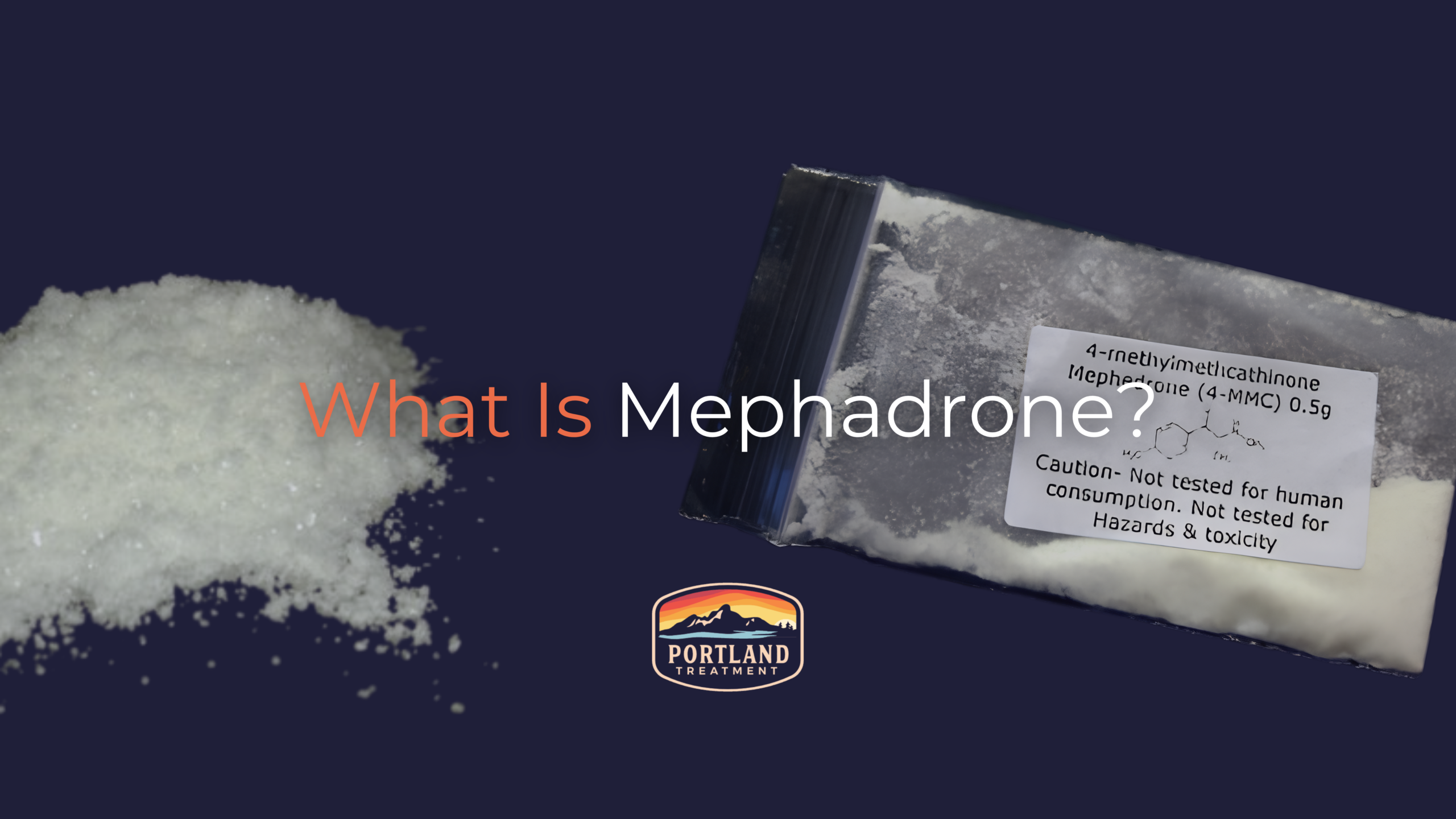

The drug’s correct spelling is mephedrone, although people sometimes search for it as mephadrone. It is also known as 4-MMC, 4-methylmethcathinone, MCAT, and sometimes the “meow meow” drug.
Mephedrone is a human-made stimulant belonging to a group of substances called synthetic cathinones. These substances are chemically related to cathinone, a naturally occurring stimulant found in the khat plant. Synthetic cathinones have sometimes been marketed as “bath salts,” although they have no connection to legitimate bathing products.
People may seek mephedrone because it can produce energy, euphoria, confidence, sociability, emotional openness, and increased sexual interest. Its effects share some characteristics with MDMA, cocaine, and amphetamines, but mephedrone is a separate drug with its own risks. Its relatively brief effects can also encourage repeated dosing, prolonged binges, and compulsive use.
Mephedrone is illegal in the United States and is classified as a Schedule I controlled substance under federal law.
Mephedrone at a Glance
| Question | Answer |
|---|---|
| Correct spelling | Mephedrone |
| Chemical name | 4-methylmethcathinone |
| Abbreviation | 4-MMC |
| Drug class | Synthetic cathinone stimulant |
| Other names | MCAT, meow meow |
| Effects may resemble | MDMA, cocaine, and amphetamines |
| U.S. legal status | Schedule I controlled substance |
| Major risks | Fast heart rate, high blood pressure, chest pain, agitation, overheating, paranoia, psychosis, seizures, and compulsive redosing |
| Can it become addictive? | Yes |
| Is it associated with chemsex? | Yes, in some populations and settings |
What Does Mephedrone Do to the Brain?
Mephedrone affects several chemical messenger systems in the brain, particularly those involving:
- Dopamine
- Serotonin
- Norepinephrine
Dopamine is involved in motivation, reinforcement, pleasure, and reward. Serotonin influences mood, emotional connection, sleep, and perception. Norepinephrine contributes to alertness, energy, heart rate, and the body’s stress response.
Because mephedrone affects all three systems, it may produce a combination of stimulant and empathogenic effects. Empathogenic effects refer to temporary feelings of emotional closeness, openness, or connection with other people.
Controlled human research has found that mephedrone can increase heart rate and blood pressure while producing subjective effects that overlap with those of MDMA. However, people may experience mephedrone as faster acting or shorter lasting, which can make repeated dosing particularly tempting.
What Does Mephedrone Feel Like?
The effects of mephedrone vary depending on the substance’s actual contents, the person’s health, other substances used, and the surrounding environment.
Effects people may seek include:
- Increased energy and alertness
- Euphoria
- Greater confidence
- Increased sociability
- Feelings of emotional closeness
- Reduced inhibition
- Increased sexual interest
- Heightened physical sensations
- Temporary relief from anxiety or insecurity
Unwanted effects can include:
- Racing heart or palpitations
- Elevated blood pressure
- Sweating
- Jaw clenching or teeth grinding
- Nausea
- Anxiety
- Restlessness
- Agitation
- Insomnia
- Confusion
- Paranoia
- Hallucinations or psychosis
In a poison-center study of reported mephedrone exposures, common clinical problems included agitation or aggression, rapid heart rate, confusion or psychosis, chest pain, nausea, and palpitations.
Can You Tell Mephedrone by Looking at It?
No. Mephedrone may be sold as a powder, crystals, capsules, or tablets. Appearance cannot confirm what a substance contains or how strong it is.
Illicit products sold as mephedrone may contain:
- A different synthetic cathinone
- Several cathinones combined
- MDMA or another stimulant
- Caffeine or other additives
- Unexpected contaminants
- An entirely different substance
Synthetic cathinones have also been detected in products sold as MDMA. This means someone may be exposed to mephedrone or another cathinone without knowingly choosing it.
Is Mephedrone the Same as “Bath Salts”?
Mephedrone is one type of synthetic cathinone, and synthetic cathinones have frequently been grouped under the name “bath salts.” That term can be misleading.
“Bath salts” is not one specific drug. It is an umbrella label that has been used for numerous human-made stimulants with different strengths, effects, and risks. These drugs are unrelated to actual Epsom salts or legitimate bath products.
Knowing that a substance is a synthetic cathinone does not necessarily reveal which cathinone it contains.
Mephedrone vs. 3-MMC
Mephedrone is 4-MMC, while 3-MMC is 3-methylmethcathinone. The two drugs are closely related and have the same basic molecular formula, but the location of one chemical group differs. This makes them positional isomers rather than identical substances.
That difference can affect:
- Potency
- Subjective effects
- Duration
- Metabolism
- Toxicity
- Patterns of compulsive use
A person should not assume that something sold as 3-MMC is interchangeable with mephedrone. Products advertised as either drug may also be incorrectly labeled.
Both mephedrone and 3-MMC are federally controlled Schedule I substances in the United States.
Is Mephedrone the Same as Methamphetamine?
No. Mephedrone and methamphetamine are both stimulants, but they are chemically distinct drugs.
Methamphetamine tends to have longer-lasting stimulant effects. Mephedrone combines stimulant effects with serotonin-related effects that may feel more similar to MDMA for some people.
Both drugs can contribute to:
- Compulsive use
- Sleep deprivation
- Cardiovascular strain
- Anxiety
- Paranoia
- Psychosis
- Depression during the crash
- Significant disruption to work and relationships
A person may also use the drugs together, which can increase cardiovascular and psychiatric risks.
Is Mephedrone the Same as Methadone?
No. Mephedrone is an illicit synthetic stimulant. Methadone is an opioid medication used in appropriately regulated medical settings, including treatment for opioid use disorder.
The similar spelling sometimes causes confusion, but the substances have completely different purposes and effects.
Can Mephedrone Become Addictive?
Yes. Mephedrone can contribute to a stimulant use disorder.
Its combination of euphoria, dopamine reinforcement, relatively short effects, and strong urges to redose can create a binge pattern. A person may intend to use once but continue taking the drug throughout the night or for much longer than planned. Research has identified abuse potential, craving, repeated dosing, and patterns of dependence associated with mephedrone.
Warning signs of a mephedrone problem may include:
- Taking more than intended
- Repeatedly redosing during the same session
- Strong cravings
- Spending significant time finding, using, or recovering from the drug
- Being unable to enjoy social situations or sex without mephedrone
- Missing work, school, or family responsibilities
- Continuing after experiencing chest pain, paranoia, or other health problems
- Combining mephedrone with other substances despite previous consequences
- Needing increasingly frequent sessions
- Trying unsuccessfully to stop
- Experiencing depression or anxiety after use but returning to the drug for relief
Someone does not need to use mephedrone every day to have a serious problem. Binge use that occurs on weekends, during parties, while traveling, or in sexual settings can still cause substantial harm.
What Is a Mephedrone Comedown?
After mephedrone wears off, the nervous system must recover from a period of intense stimulation.
The resulting “comedown” may include:
- Severe fatigue
- Low mood
- Depression
- Anxiety
- Irritability
- Difficulty concentrating
- Emotional numbness
- Insomnia or excessive sleep
- Increased appetite
- Loss of motivation
- Strong cravings
- Reduced ability to experience pleasure
An observational study found that people who used mephedrone reported problems involving negative mood, anxiety, anger, sleep, and more difficult aftereffects. The crash may contribute to a repeating cycle:
Use → euphoria and stimulation → repeated dosing → exhaustion → depression or anxiety → craving → renewed use
Severe depression, suicidal thoughts, hallucinations, or an inability to care for oneself require immediate professional attention.
What Does Mephedrone Withdrawal Look Like?
Mephedrone withdrawal has not been studied as extensively as withdrawal from alcohol, opioids, or some other stimulants.
It does not typically produce the same established medical withdrawal syndrome associated with alcohol or benzodiazepines. However, the psychological and behavioral effects can still be significant.
Possible symptoms include:
- Cravings
- Fatigue
- Depression
- Anxiety
- Irritability
- Sleep disruption
- Difficulty concentrating
- Reduced motivation
- Loss of pleasure
- Increased appetite
- Drug-related dreams
- Urges to return to the same people, apps, parties, or sexual situations associated with use
Someone with severe depression, psychosis, polysubstance use, or repeated binges may need a medical or psychiatric evaluation rather than attempting to manage the crash alone.
Mephedrone and Chemsex
Mephedrone is one of the substances traditionally associated with chemsex, meaning the intentional use of drugs before or during sexual activity to intensify or prolong the experience.
It may be used because it can temporarily increase:
- Energy
- Confidence
- Sexual interest
- Physical sensations
- Emotional openness
- Stamina
- Disinhibition
Mephedrone may be combined with methamphetamine, GHB or GBL, erectile dysfunction medications, ketamine, cocaine, alcohol, or other substances in chemsex settings.
The concern is not someone’s sexual orientation or sexuality. The concern is whether substance use is reducing control, impairing consent, causing health consequences, or making sober intimacy feel impossible.
Potential chemsex-related risks include:
- Compulsive redosing
- Extended periods without sleep
- Dehydration or overheating
- Impaired judgment
- Difficulty communicating or recognizing consent
- Incomplete memories
- Sexual injury during prolonged encounters
- Exposure to HIV, hepatitis, or other sexually transmitted infections
- Injection-related infections
- Severe emotional crashes afterward
- Sexual situations becoming powerful relapse triggers
Chemsex does not automatically mean someone has an addiction. However, treatment may be appropriate when drugs become necessary for arousal, confidence, intimacy, or sexual connection.
Effective care should address the connection between the drug and sex without shaming the person’s sexuality.
What Are the Signs of Mephedrone Overdose?
A mephedrone overdose may look like severe stimulant toxicity.
Call 911 immediately when someone experiences:
- Chest pain
- A very fast or irregular heartbeat
- A seizure
- Severe agitation
- Dangerous aggression
- Extreme confusion
- Hallucinations or psychosis
- A dangerously high body temperature
- Fainting or collapse
- Severe headache with weakness or difficulty speaking
- Difficulty breathing
- Unresponsiveness
Clinical reports have documented agitation, high heart rate, high blood pressure, seizures, and intensive-care admissions following mephedrone exposure. Severe stimulant toxicity can also result in overheating, muscle breakdown, kidney injury, stroke, cardiac complications, or cardiovascular collapse.
Do not assume that someone experiencing severe symptoms only needs to sleep.
Can Mephedrone Contain Fentanyl?
It is impossible to determine the contents of an illicit powder by sight.
Although mephedrone is a stimulant, the broader illicit stimulant supply can be contaminated or mixed with potent synthetic opioids such as fentanyl. ASAM specifically warns that opioid contamination can increase the risks associated with stimulant use.
Naloxone does not reverse mephedrone toxicity. However, when someone is unresponsive or breathing abnormally and the contents of the substance are unknown, naloxone can reverse an opioid component if one is present.
Emergency medical care is still required.
What Happens When Mephedrone Is Mixed With Other Drugs?
Polysubstance use makes the body’s response less predictable.
Combining mephedrone with other stimulants may place additional stress on the heart, blood vessels, and temperature-regulation systems. Combining it with depressants does not necessarily “balance out” the stimulant. Instead, one substance may conceal warning signs from another.
Particularly concerning combinations can involve:
- Cocaine
- Methamphetamine
- MDMA
- Other synthetic cathinones
- GHB or GBL
- Alcohol
- Benzodiazepines
- Opioids
- Multiple substances taken to continue a session and then sleep afterward
Many deaths involving synthetic cathinones also involve additional psychoactive substances, making it difficult to attribute the outcome to only one drug.
Is Mephedrone Common in the United States?
Mephedrone should not be presented as though it is currently as common in the United States as methamphetamine or cocaine.
In CDC data covering overdose deaths from January 2021 through June 2024, synthetic cathinones were identified in approximately 0.7% of overdose deaths, substantially less often than methamphetamine or cocaine.
That does not make mephedrone harmless or irrelevant.
International surveillance shows that mephedrone remains active within the synthetic-cathinone market. A 2025 United Kingdom harms assessment found that mephedrone remained the most frequently detected synthetic cathinone across seized substances, submitted samples, emergency-department toxicology, and drug-related death data collected for the report.
Mephedrone may therefore be less common in Maine than other stimulants while still posing a meaningful risk to people exposed through online markets, nightlife, festival environments, chemsex settings, or mislabeled substances.
How Is Mephedrone Addiction Treated?
Treatment for mephedrone addiction generally follows evidence-based approaches used for stimulant use disorder while accounting for the person’s specific triggers, mental health, relationships, and patterns of use.
Treatment may include:
Comprehensive Assessment
An assessment can examine:
- Frequency and duration of use
- Binge and redosing patterns
- Other drugs being used
- Mental health symptoms
- Sleep and nutrition
- Cardiovascular concerns
- Sexualized drug use
- Trauma
- Relationships
- Previous attempts to stop
- Current safety concerns
Behavioral Therapy
Behavioral treatment can help someone identify the thoughts, emotions, environments, relationships, and cues that contribute to drug use.
Approaches may include:
- Cognitive behavioral therapy
- Contingency management
- Relapse-prevention planning
- Community reinforcement
- Motivational interventions
- Individual therapy
- Group therapy
- Family support
ASAM and the American Academy of Addiction Psychiatry have published clinical guidance addressing stimulant intoxication, withdrawal, ongoing treatment, harm reduction, and recovery. SAMHSA also recognizes contingency management as an evidence-based intervention for stimulant use disorder.
Co-Occurring Mental Health Treatment
Mephedrone use may overlap with:
- Depression
- Anxiety
- Trauma
- Social anxiety
- Loneliness
- Shame
- Bipolar symptoms
- Psychosis
- Difficulty with intimacy
Treating only the drug use without addressing these concerns may leave major relapse triggers unresolved.
Chemsex-Informed Treatment
When mephedrone is primarily connected with sex, recovery planning may need to address:
- Sexual triggers
- Dating apps
- Sober intimacy
- Consent and boundaries
- Sexual-health concerns
- Trauma
- Cravings triggered by sexual situations
- Fear that sober sex will not be satisfying
- Rebuilding confidence without intoxication
Recovery does not require someone to reject their sexuality. It may instead involve learning to experience intimacy, connection, and confidence without depending on a substance.
Mephedrone and Stimulant Treatment in Maine
Portland Treatment provides outpatient substance-use and co-occurring mental health treatment in Biddeford, Maine.
Portland Treatment directly provides:
- Partial hospitalization programming
- Intensive outpatient treatment
- Outpatient services
- Sober living
- Support for continuing medication-assisted treatment when appropriate
When someone needs medical detoxification or residential treatment, Portland Treatment coordinates referrals rather than representing those services as directly provided onsite.
Treatment can help someone understand why mephedrone became appealing, identify the situations that trigger use, address co-occurring mental health symptoms, and build a recovery plan that fits daily life.
Whether mephedrone use is connected with chemsex, nightlife, online drug markets, relationships, or other stimulant use, the conversation should begin with honesty rather than shame.
Portland Treatment is located at 6 Digital Drive in Biddeford, Maine. To speak with admissions about stimulant addiction treatment or insurance coverage, call 855-449-7674.
Frequently Asked Questions
Is “mephadrone” the same as mephedrone?
“Mephadrone” is usually a misspelling of mephedrone. The correct chemical name is 4-methylmethcathinone, commonly abbreviated as 4-MMC.
What is the “meow meow” drug?
“Meow meow” is a street name historically associated with mephedrone. Street names are unreliable because the same name may be used for different synthetic cathinones or mixtures.
Is mephedrone legal?
No. Mephedrone is a Schedule I controlled substance under federal law in the United States.
Is 4-MMC the same as mephedrone?
Yes. Mephedrone is commonly called 4-MMC, referring to 4-methylmethcathinone.
Is mephedrone the same as 3-MMC?
No. They are closely related positional isomers, but they are distinct substances. Products sold as either drug may also be mislabeled.
Is mephedrone more like cocaine or MDMA?
Mephedrone shares characteristics with both. It can produce cocaine-like stimulation and repeated dosing while also producing some of the sociability and emotional openness associated with MDMA. It remains a distinct drug with an unpredictable risk profile.
Can mephedrone cause psychosis?
Yes. Confusion, paranoia, hallucinations, and psychosis have been reported, particularly during heavy use, repeated dosing, prolonged wakefulness, or polysubstance use.
Can someone recover from mephedrone addiction?
Yes. Treatment can address stimulant cravings, binge patterns, mental health symptoms, relationships, sleep disruption, chemsex triggers, and the personal circumstances maintaining the cycle of use.
Sources
American Society of Addiction Medicine. (2024). The ASAM/AAAP clinical practice guideline on the management of stimulant use disorder.
https://www.asam.org/quality-care/clinical-guidelines/stimulant-use-disorders
Advisory Council on the Misuse of Drugs. (2025). Synthetic cathinones: An updated harms assessment. UK Government.
https://www.gov.uk/government/publications/synthetic-cathinones-an-updated-harms-assessment/synthetic-cathinones-an-updated-harms-assessment-accessible
James, D., Adams, R. D., Spears, R., Cooper, G., Lupton, D. J., Thompson, J. P., & Thomas, S. H. L. (2011). Clinical characteristics of mephedrone toxicity reported to the U.K. National Poisons Information Service. Emergency Medicine Journal, 28(8), 686–689.
https://pmc.ncbi.nlm.nih.gov/articles/PMC3143586/
Kehr, J., Ichinose, F., Yoshitake, S., Goiny, M., Sievertsson, T., Nyberg, F., & Yoshitake, T. (2011). Mephedrone, compared with MDMA (ecstasy) and amphetamine, rapidly increases both dopamine and serotonin levels in nucleus accumbens of awake rats. British Journal of Pharmacology, 164(8), 1949–1958.
https://pmc.ncbi.nlm.nih.gov/articles/PMC3246659/
National Institute on Drug Abuse. (2023). Synthetic cathinones (“bath salts”). National Institutes of Health.
https://nida.nih.gov/research-topics/synthetic-cathinones-bath-salts
Papaseit, E., Pérez-Mañá, C., Mateus, J. A., Pujadas, M., Fonseca, F., Torrens, M., Olesti, E., de la Torre, R., & Farré, M. (2016). Human pharmacology of mephedrone in comparison with MDMA. Neuropsychopharmacology, 41(11), 2704–2713.
https://pmc.ncbi.nlm.nih.gov/articles/PMC5026738/
Papaseit, E., Pérez-Mañá, C., de Sousa Fernandes Perna, E. B., Olesti, E., Mateus, J. A., Kuypers, K. P. C., Theunissen, E. L., Fonseca, F., Torrens, M., Ramaekers, J. G., de la Torre, R., & Farré, M. (2021). Acute pharmacological effects of oral and intranasal mephedrone: An observational study in humans. Pharmaceuticals, 14(2), 100.
https://pmc.ncbi.nlm.nih.gov/articles/PMC7912650/
It’s easy and free!

John Ingham
John Ingham is a respected leader and medical content writer specializing in behavioral health, addiction treatment, and other mental health. With more than a decade of experience in the recovery and treatment field, his work has been featured across leading treatment networks and educational platforms, and has contributed as a lecturer in graduate level seminars within the Steve Hicks School of Social Work at University of Texas at Austin, and undergraduate seminars at Vanderbilt University. John's work has also been recognized in public service announcements, documentaries and more, including a feature that won an Emmy Award. John has collaborated with presidential appointees in the White House, clinicians, program directors, and other leaders throughout the behavioral health space, further establishing his role as a trusted voice in the field.