Fentanyl & Opioid Rehab · Biddeford, Maine
Fentanyl changed the math. Treatment had to change too.
Almost nothing sold as heroin, oxycodone, or a pressed pill in Maine is what it claims to be anymore. Our outpatient opioid program pairs MAT coordination with trusted local prescribers for buprenorphine (Suboxone) or naltrexone with real therapy, PHP, IOP, and OP in Biddeford, twenty minutes from Portland. Same-week starts, MaineCare accepted, no waitlist.
Same-week starts · MaineCare accepted · Answered 24/7
If someone is overdosing right now
Call 911, give naloxone (Narcan) if you have it, and stay with the person. Maine's Good Samaritan law protects people who call for help. Free naloxone is available across York and Cumberland counties, ask us and we'll tell you where to get it near you. For non-emergency help finding treatment tonight, call 855-449-7674.
What the data says
Opioid addiction is a medical condition with medical treatment
~4 in 5
Roughly four out of five drug overdose deaths in Maine involve a non-pharmaceutical opioid, overwhelmingly fentanyl and fentanyl analogs, often mixed into other drugs without the person knowing.
Source: Maine Drug Data Hub, Maine DHHS50–80% lower
Buprenorphine and methadone treatment are associated with roughly a 50 percent or greater reduction in all-cause and overdose mortality for people with opioid use disorder.
Source: Santo et al., JAMA Psychiatry (2021)Medication is first-line
Federal guidance is explicit: medications for opioid use disorder are the standard of care, and treatment should not be withheld or time-limited because someone is still stabilizing.
Source: SAMHSA TIP 63, Medications for Opioid Use DisorderStimulants in the supply
Fentanyl is now routinely found in cocaine, methamphetamine and pressed pills across New England, often without the person knowing. That unpredictability is one more reason self-managed withdrawal is riskier than it used to be.
Source: NIDA, Drug Overdose Death Rates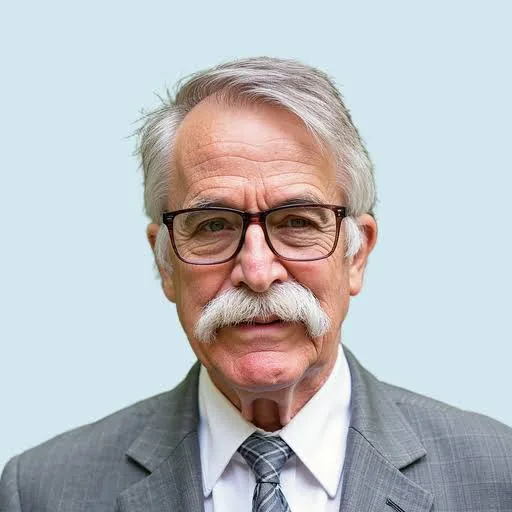
Medically reviewed
Benjamin Crocker, MD
Psychiatrist · Clinical Assistant Professor of Psychiatry, Tufts University School of Medicine · MD, The Ohio State University · Residency & fellowship training at the University of Michigan and LAC+USC Medical Center
Last reviewed August 2026. Read our editorial standards & clinical review process
Accredited & Licensed
 LegitScript Certified
 Joint Commission Accredited
 Maine DHHS Licensed
 Psychology Today Verified
Why this drug is different
What fentanyl did to recovery in Maine
Withdrawal starts faster and hits harder
Fentanyl is short-acting and stores in body fat, so withdrawal can begin within hours and drag on unpredictably. People who once managed a few rough days on heroin often can't white-knuckle fentanyl withdrawal at all.
Starting Suboxone takes a plan
Because fentanyl lingers, starting buprenorphine too early can trigger precipitated withdrawal. We time inductions carefully, including low-dose starts when appropriate, instead of telling you to 'just wait it out.'
There's no such thing as a known dose
Counterfeit M30s, pressed 'Percocet,' and powder vary batch to batch. Tolerance built last month doesn't protect you this week, which is why any return to use after a break is so dangerous.
Stimulants are in almost everything
Cocaine and meth mixed with fentanyl are now routine in Maine. Many of our clients never intended to use opioids at all, treatment has to address both sides.
Starting treatment in Portland?
We'll check your benefits free in minutes, MaineCare and most major plans accepted.
From the first call
How opioid treatment actually works here
- 01
Call and get assessed today
A real clinician, not a call center script. We ask what you're using, how much, what else is in the mix, and what your life actually looks like, then tell you honestly what level of care fits.
- 02
Withdrawal handled safely
If you need medically supervised detox first, we coordinate it with trusted licensed Maine partners and hold your spot. Many people can instead start medication with a trusted local prescriber we connect you with, and skip the gap where relapse happens.
- 03
Medication started and dialed in
Buprenorphine (Suboxone) or naltrexone, prescribed and monitored by a trusted local MAT prescriber we coordinate with, while our team manages the therapy, cravings, and co-occurring conditions around it.
- 04
Therapy that makes it stick
PHP, IOP, or OP with CBT, DBT skills, trauma-informed individual work, group, and family sessions. Medication stops the cravings; therapy rebuilds the life around them.
- 05
Long-term maintenance
You step down, not out. Continued prescribing, weekly or monthly check-ins, naloxone in the house, recovery housing referrals, and a plan for the days that get hard.

Our Spaces
Beautiful spaces built for comfort, community, and healing
Where you recover matters. Every room at Portland Treatment was designed to feel calm, open, and human, so you can focus on the work of getting well.
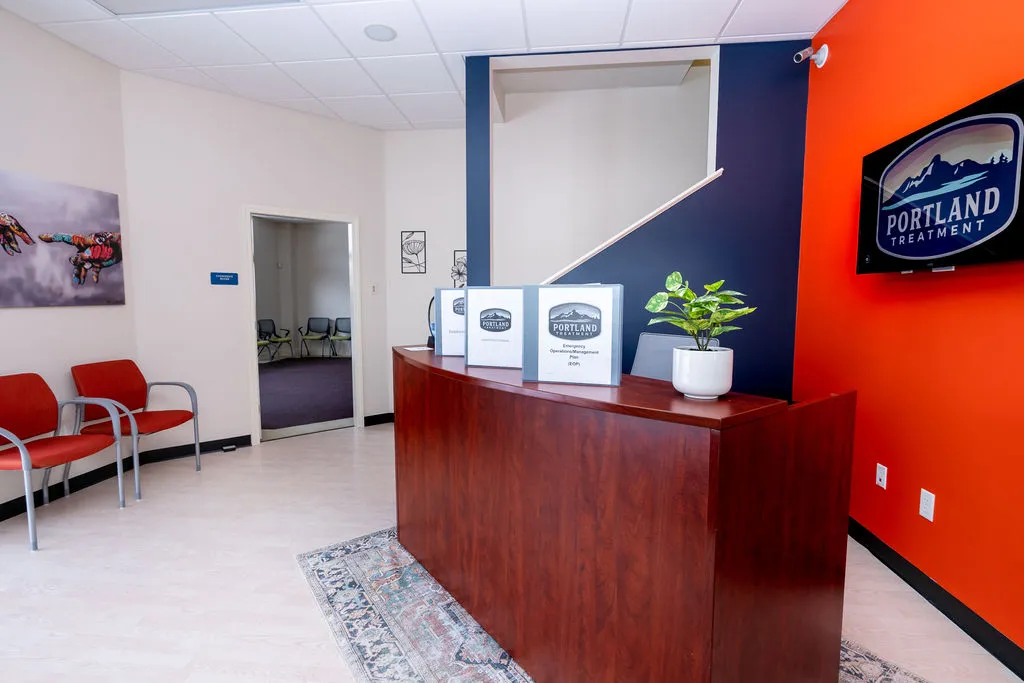
A Welcoming Front Door
The first room you walk into sets the tone. Warm light, real people, and a team that knows your name before you sit down.
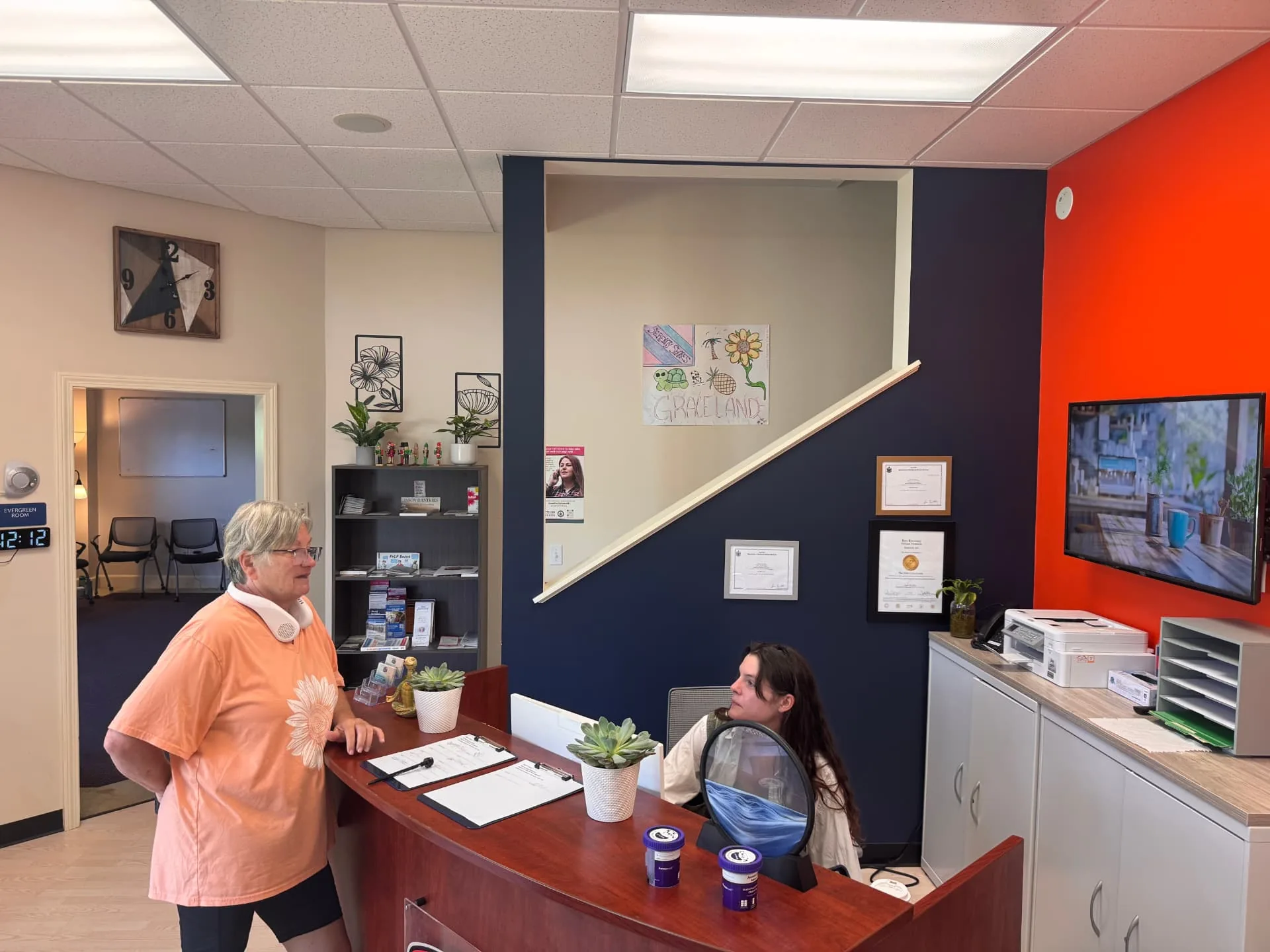
Real People at the Front Desk
A friendly face, a calm lobby, and a team ready to help you take the first step without judgment.
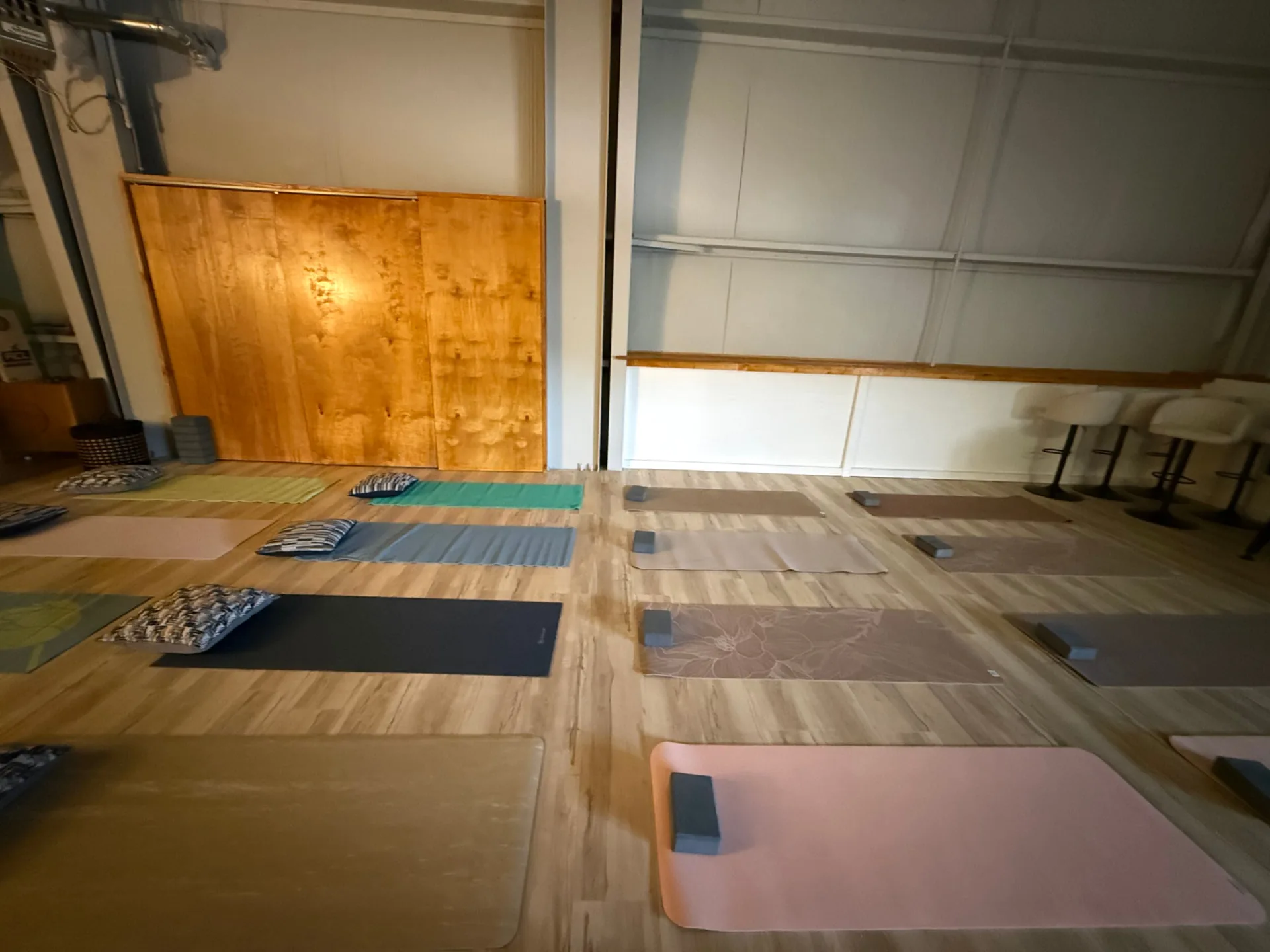
Space to Reconnect
Our yoga therapy space is prepared with mats, bolsters, blocks, and room to practice mindful movement at your own pace.
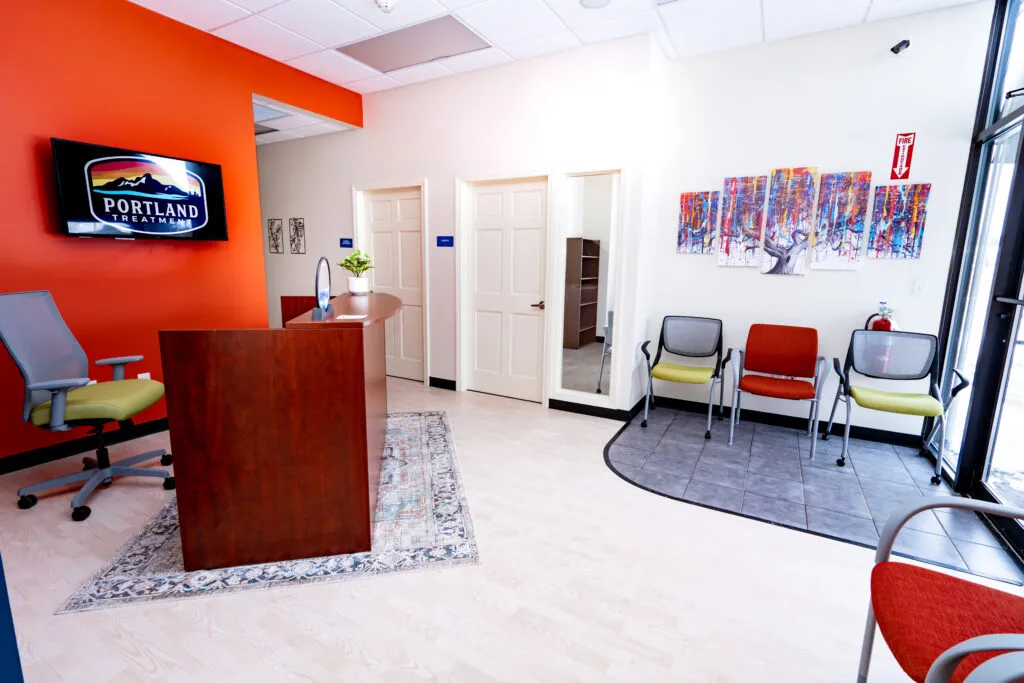
Room to Breathe
Open, bright waiting areas designed to feel like a place you'd actually want to spend time, not a clinic hallway.
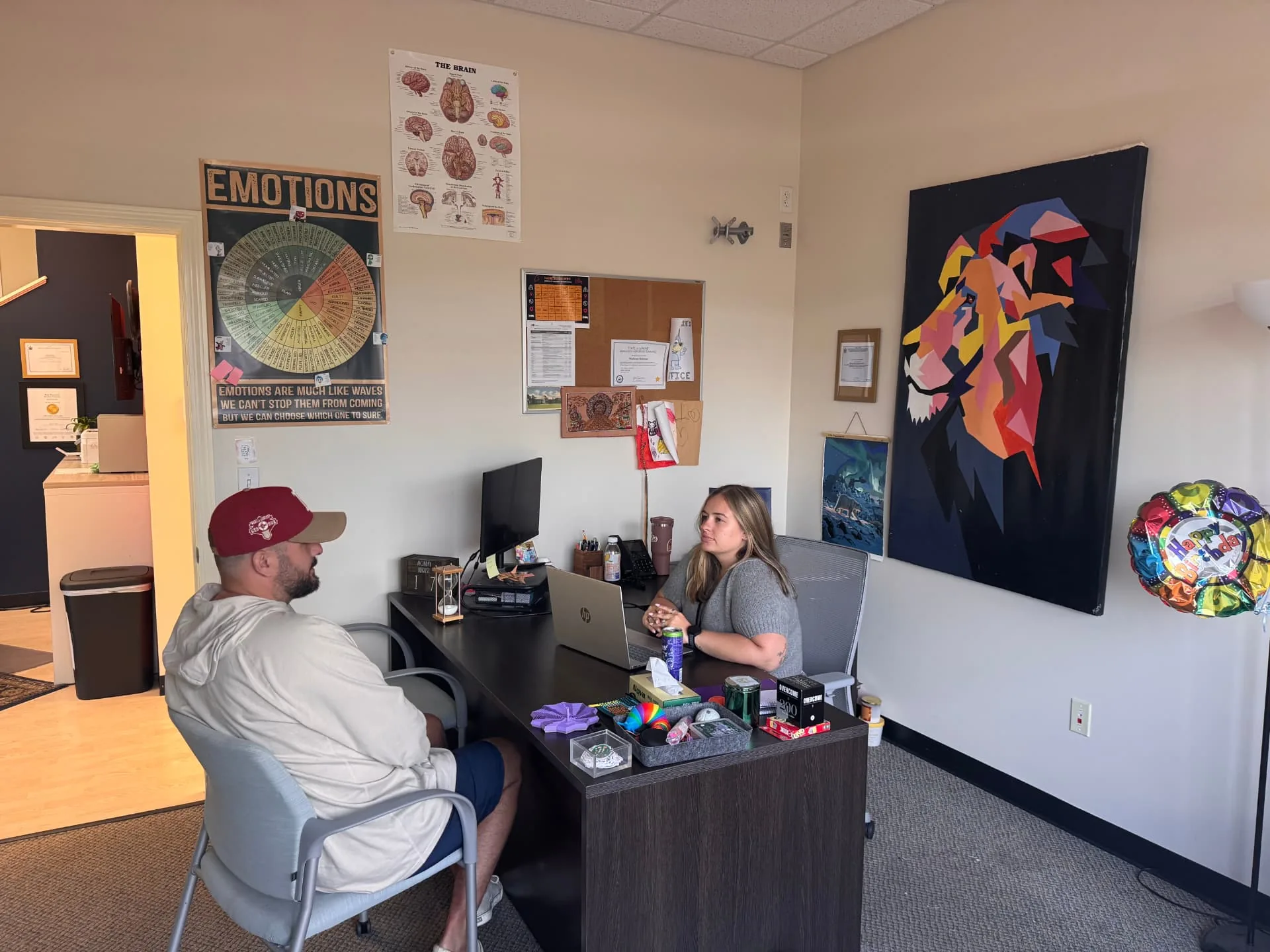
One-on-One Support
Private offices where honest conversations happen between clients and clinicians, safe, confidential, and focused on you.
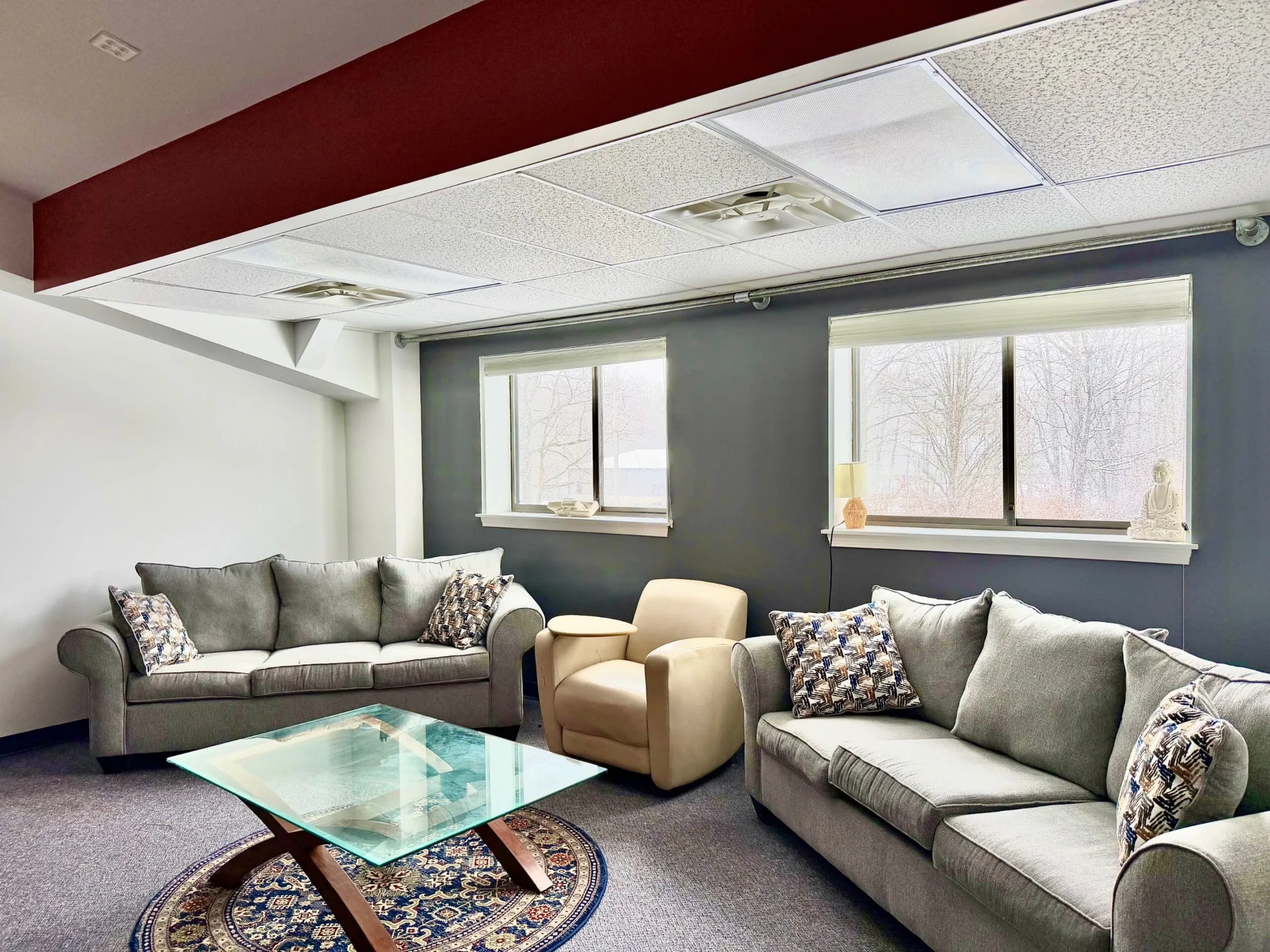
Spaces Made for Connection
Comfortable group lounges where honest conversation happens and community starts to take hold.
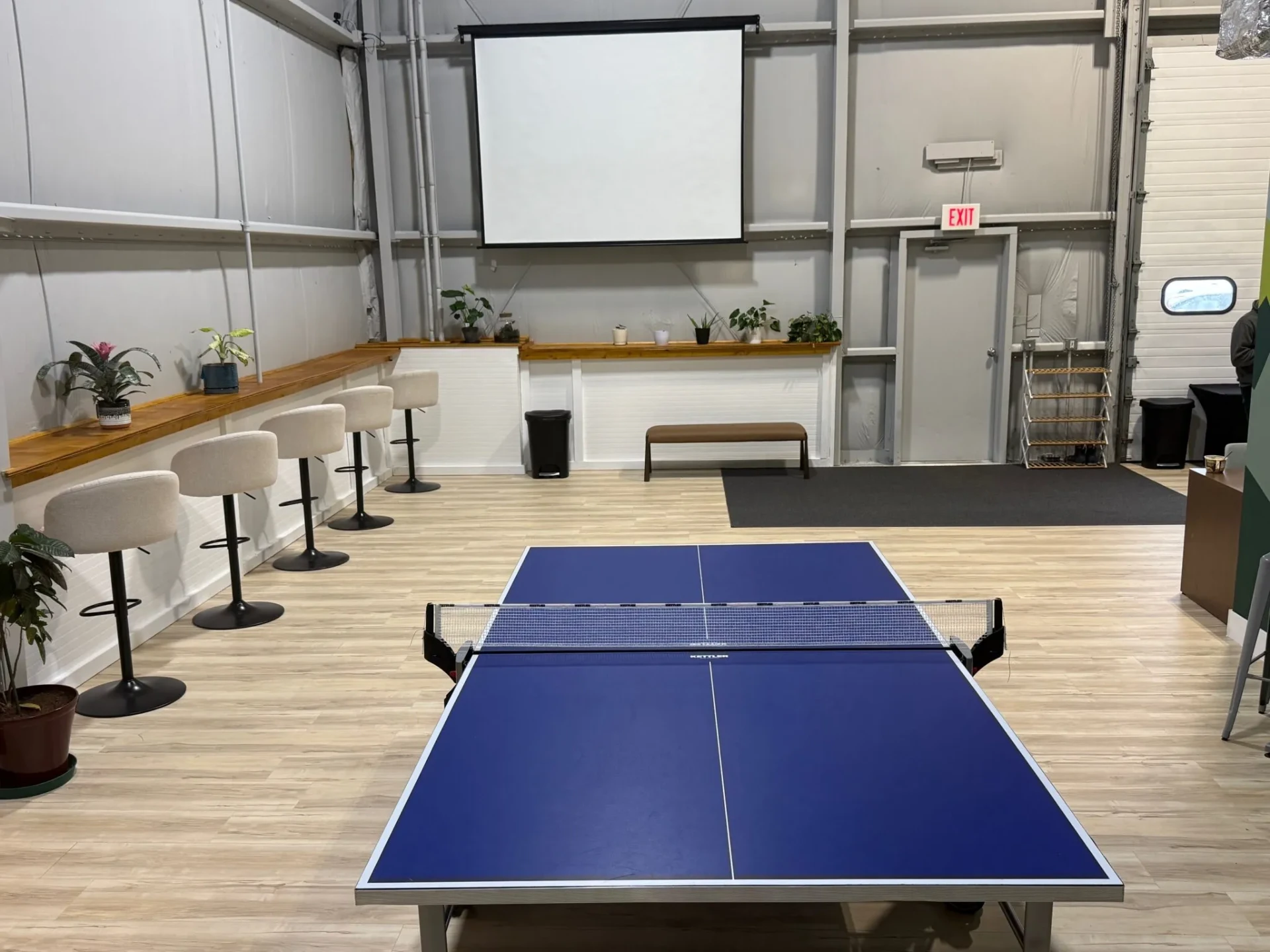
Recovery Beyond the Session
Our community room hosts everything from movie nights to ping-pong tournaments, because healing needs joy, too.
Opioid rehab near Portland, Maine
A local program, because distance kills momentum
The single biggest predictor of whether someone stays on medication is whether getting to the appointment is easy. Our center sits in Biddeford, off I-95 Exit 32, about twenty minutes from downtown Portland, five from Saco, ten from Old Orchard Beach, and a straightforward drive from Scarborough, South Portland, Westbrook, Kennebunk, Arundel, Wells, and Sanford. Shuttle-adjacent routes and evening tracks exist for a reason: people lose recovery in traffic and scheduling, not just in cravings.
Southern Maine's opioid crisis is a working-person's crisis, fishermen, line cooks, mill workers, nurses, carpenters, students at UNE and USM. Our groups are full of people from the same towns, holding the same jobs, driving the same winter roads. That recognition is part of the treatment.
Insurance
In-network with almost every plan.
Portland Treatment is in-network with Anthem, UMR/UnitedHealthcare, Aetna, Harvard Pilgrim, Martin's Point, TRICARE and MaineCare, Cigna is our only out-of-network plan. In-network means contracted rates, lower coinsurance and no balance bill. We verify your benefits free, in minutes, with no obligation.








Free, confidential, no obligation
Or read the coverage guide for your plan, Anthem rehab coverage, Cigna rehab coverage, MaineCare rehab coverage and other accepted insurance plans.
Fentanyl & opioid treatment questions
- Do I have to detox before starting your opioid program?
- Not always. Many people start buprenorphine with us once they're in mild withdrawal, which avoids the dangerous gap between detoxing and getting into treatment. If your situation calls for medically supervised detox, heavy benzodiazepine or alcohol use alongside opioids, serious medical issues, or an unsafe home, we coordinate it with trusted licensed Maine detox partners and hold your place for the step down.
- How do you start Suboxone when someone has been using fentanyl?
- Carefully. Fentanyl stores in body tissue and lingers, so a standard induction can trigger precipitated withdrawal. We connect you with a trusted local MAT prescriber who times the start based on your last use and symptoms, using low-dose or extended induction approaches when that's the safer path, while you begin therapy and programming with us.
- How long will I be on medication?
- As long as it's helping. There is no clinical clock, and research consistently shows that stopping medication early raises overdose risk sharply. Some people taper after a year or more of stability; others stay on maintenance indefinitely. That's your decision, made with your prescriber, never a program deadline.
- Is medication just trading one drug for another?
- No. Prescribed buprenorphine at a stable dose doesn't produce a high, doesn't impair you, and lets your brain chemistry level out so you can work, parent, and do therapy. Treating opioid use disorder with medication is the same logic as treating any other chronic condition with medication.
- What if I've relapsed after treatment before?
- That's common and it isn't disqualifying. Most people who reach lasting recovery had earlier attempts that didn't hold. What we do differently is look at exactly what broke last time, the dose, the schedule, the untreated depression, the housing, the relationships, and build the plan around that.
- Does MaineCare cover fentanyl and opioid treatment?
- Yes. MaineCare covers medication for opioid use disorder along with outpatient levels of care, and most commercial plans do too. We verify your benefits free of charge, usually the same day.
- Can I keep my job while in opioid treatment?
- Most people do. IOP runs day and evening tracks, outpatient is a few hours a week, and medication management appointments are short. PHP is more time-intensive, and some clients use FMLA or short-term leave for those first weeks.
- Where can I get naloxone in Southern Maine?
- Naloxone (Narcan) is available without a prescription at Maine pharmacies and free through many local public health and harm reduction programs in York and Cumberland counties. Call us and we'll point you to the closest source, whether or not you ever become a client.
Sources
- Maine Drug Data Hub, Maine DHHS
- Santo et al., JAMA Psychiatry (2021)
- SAMHSA TIP 63, Medications for Opioid Use Disorder
- NIDA, Drug Overdose Death Rates
This page is educational and is not a substitute for individual medical advice. Treatment decisions, including medication choices, are made with our clinical team based on your history and current health.
Keep exploring
Related care at Portland Treatment
Other conditions we treat
- Alcohol rehab in Biddeford and Portland
Outpatient alcohol treatment with detox coordination.
- Opioid addiction treatment
Therapy, groups and MAT coordination for opioid use.
- Benzodiazepine addiction treatment
Safe tapers, medical oversight and outpatient support.
- Stimulant addiction treatment in Maine
Cocaine, meth and prescription stimulant care.
Programs that treat it
- Partial hospitalization program (PHP) in Biddeford
Our most structured day treatment, five days a week, home each night.
- Intensive outpatient program (IOP) in Southern Maine
Nine-plus clinical hours a week with day and evening tracks.
- Outpatient program (OP) for ongoing recovery
One to two sessions a week that fit around work and family.
- MAT coordination with local prescribers
We partner with local Suboxone, methadone and Vivitrol prescribers.
Related reading
- Is gabapentin addictive?
Dependence, misuse and withdrawal, explained plainly.
- Is trazodone addictive?
What to know if you were prescribed it for sleep.
- Alcohol detox risks and withdrawal
Why quitting alcohol cold turkey can be dangerous.
- Does insurance cover rehab?
Coverage, costs and what to ask your plan.
Serving Southern Maine
- Addiction treatment for Portland, Maine
A 20-minute drive down I-95 from the Portland peninsula.
- Addiction treatment in Biddeford, Maine
Our home clinic, in the mill district off Route 111.
- Addiction treatment for Saco, Maine
Minutes across the river from our Biddeford clinic.
- All Southern Maine areas we serve
Every city and town within driving distance of Biddeford.
Fentanyl doesn't give second chances.
Today can still be the first one.
855-449-7674Answered 24 hours a day, 7 days a week. Free and confidential.