The “baking soda method” is a drug test myth that shows up online when people are scared of failing a urine test. The idea is usually that taking baking soda, also called sodium bicarbonate, can change urine chemistry enough to affect a test result. That does not make it safe. It also does not make …
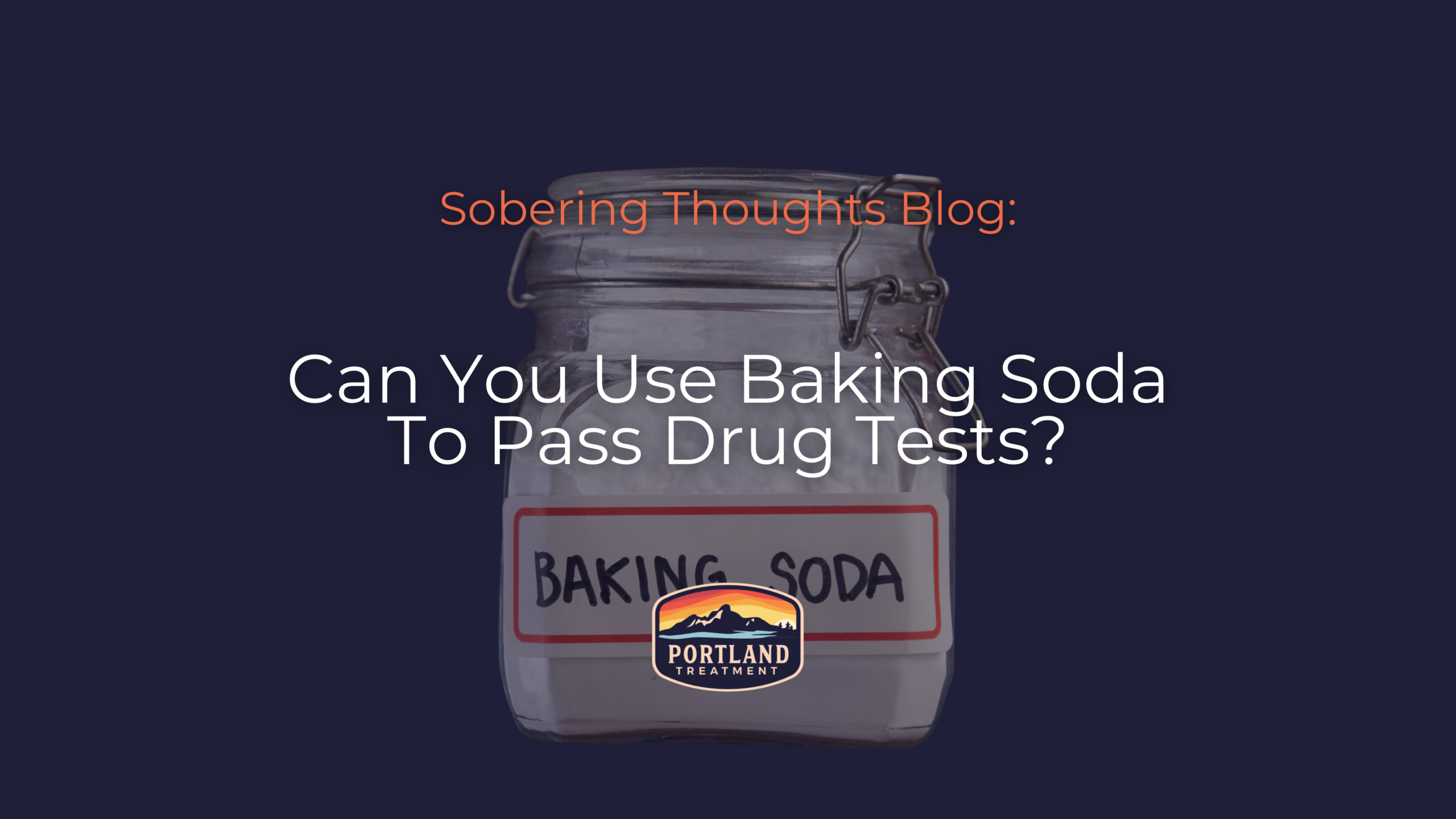

The “baking soda method” is a drug test myth that shows up online when people are scared of failing a urine test. The idea is usually that taking baking soda, also called sodium bicarbonate, can change urine chemistry enough to affect a test result.
That does not make it safe. It also does not make it reliable.
Trying to manipulate a drug test can create health risks, legal problems, job consequences, probation consequences, or treatment consequences. More importantly, if someone feels desperate enough to try home remedies before a test, that may be a sign that substance use has started to create fear, secrecy, or loss of control.
What Is the Baking Soda Method?
The baking soda method usually refers to taking baking soda by mouth before a urine drug test. People online often claim it can change urine pH or affect how certain substances show up on a test.
That claim is not something to rely on. Modern drug testing programs often use specimen validity checks, which may look at urine characteristics such as pH, creatinine, specific gravity, and other markers that can suggest dilution, tampering, or an invalid sample. SAMHSA’s federal drug testing guidance includes specimen validity testing as part of the review process for urine drug testing.
In simple terms, drug testing labs are not just looking for drugs. They may also look for signs that the sample itself does not appear normal.
Does Baking Soda Help Someone Pass a Drug Test?
There is no safe or dependable way to say that baking soda will help someone pass a drug test. Some research and drug testing discussions have noted that sodium bicarbonate may affect urine pH and may influence elimination patterns for some substances, but that is very different from saying it is a safe or reliable way to produce a negative test.
Even if urine chemistry changes, that can create another problem. A sample with abnormal validity markers may be flagged as invalid, substituted, adulterated, or requiring further review depending on the testing program.
For treatment centers, employers, courts, and medical providers, an abnormal or invalid result may still create serious consequences.
Why People Try the Baking Soda Method
People usually do not search for this because everything is going well. They search for it because they are scared.
Common reasons include:
| Reason People Search for It | What May Be Happening Underneath |
|---|---|
| Fear of losing a job | Substance use may be affecting work stability |
| Probation or court pressure | There may be legal consequences tied to use |
| Family conflict | Loved ones may already be concerned |
| Treatment program testing | The person may be afraid to be honest about relapse |
| Shame or embarrassment | They may feel stuck and unsure how to ask for help |
| Withdrawal or cravings | Stopping may feel harder than expected |
That fear is real. But trying to “beat” the test often makes the situation worse.
Health Risks of Taking Too Much Baking Soda
Baking soda is common in kitchens, but that does not mean it is harmless when taken in large amounts. Sodium bicarbonate can affect the body’s acid and base balance. Medical literature has linked baking soda misuse with serious electrolyte and acid base problems, including metabolic alkalosis.
Metabolic alkalosis means the body becomes too alkaline. That can affect the heart, brain, muscles, kidneys, and breathing.
Possible risks can include:
| Possible Risk | Why It Matters |
|---|---|
| Nausea and vomiting | Can lead to dehydration and worsening electrolyte problems |
| High sodium levels | Can be dangerous for the brain, heart, and blood pressure |
| Low potassium | Can contribute to weakness, cramps, and heart rhythm problems |
| Metabolic alkalosis | Can become medically serious or life threatening |
| Kidney stress | Especially risky for people with kidney disease or dehydration |
| Confusion or neurological symptoms | Severe cases can affect brain function |
| Breathing problems | Severe alkalosis can affect respiratory function |
A 2025 case report described sodium bicarbonate toxicity involving vomiting, dehydration, low blood pressure, and severe metabolic alkalosis. Another published report described a patient hospitalized with metabolic alkalosis, low potassium, acute kidney injury, and liver toxicity after baking soda misuse.
This is why the baking soda method should not be treated like a harmless internet trick.
Baking Soda and Urine pH
One reason this myth continues is that baking soda can affect pH. Urine pH is one of the factors that may be checked during specimen validity testing. A urine specimen with unusual pH can raise concern that the sample may not be valid. Research on urine specimen validity testing notes that urine pH outside expected ranges can lead to invalid or adulterated specimen concerns.
That means changing urine pH may not hide a problem. It may create a new one.
Why Drug Test Evasion Can Backfire
Trying to manipulate a drug test can create practical consequences beyond the test result itself.
| What Can Happen | Why It Matters |
|---|---|
| The sample is flagged as invalid | You may have to retest under stricter conditions |
| The result is treated as suspicious | Employers, courts, or programs may view it negatively |
| Medical risk increases | Large amounts of sodium bicarbonate can be harmful |
| Honesty becomes harder | Fear and secrecy can keep the cycle going |
| The real issue goes untreated | Substance use, cravings, or withdrawal may continue |
For someone in treatment or early recovery, the bigger issue is not just the test. It is what the test is pointing to.
What To Do Instead of Trying the Baking Soda Method
The safest option is honesty with the appropriate professional. That may mean talking with a treatment provider, counselor, doctor, probation officer, employer assistance program, or trusted support person.
This does not mean there will never be consequences. But honesty gives people a chance to respond to the real situation instead of reacting to an emergency.
Healthier next steps may include:
| Situation | Safer Step |
|---|---|
| You used once after a period of abstinence | Tell a counselor or provider before the test if possible |
| You are using regularly | Ask for a substance use assessment |
| You are afraid of withdrawal | Seek medical guidance before stopping suddenly |
| You are mixing substances | Get professional support because overdose risk may be higher |
| You are testing for court or probation | Ask for legal or clinical guidance instead of trying home remedies |
| You feel unable to stop | Consider treatment options, including outpatient, IOP, residential care, or medication assisted treatment when appropriate |
SAMHSA’s National Helpline provides confidential treatment referral and information support for individuals and families dealing with substance use or mental health concerns.
When Drug Testing Becomes a Sign of a Bigger Problem
Drug testing can create anxiety, but the test itself is usually not the deepest issue. The deeper issue may be feeling unable to stop, hiding use, worrying about consequences, or continuing to use even when it creates problems.
Substance use disorder is treatable. Mayo Clinic describes treatment as often involving counseling, behavior therapy, medications when appropriate, and support for medical and mental health needs.
A person does not have to wait until everything falls apart to ask for help.
Treatment Options for Substance Use Concerns
Treatment should match the person’s needs. Someone using cannabis occasionally may need a different level of support than someone using opioids, stimulants, alcohol, benzodiazepines, or multiple substances.
Common options include:
| Level of Support | Who It May Help |
|---|---|
| Assessment | Anyone unsure how serious the issue has become |
| Outpatient counseling | People with stable housing and lower medical risk |
| Intensive outpatient treatment | People who need structured support but not 24 hour care |
| Partial hospitalization | People needing more frequent clinical support |
| Residential treatment | People who need a stable, substance free environment |
| Medical detox | People at risk for serious withdrawal symptoms |
| Medication assisted treatment | People with opioid or alcohol use disorder when clinically appropriate |
| Recovery support | People who need accountability after treatment |
Frequently Asked Questions About Using Baking Soda for Drug Tests
What is the baking soda method for drug tests?
The baking soda method is an internet claim that taking baking soda before a urine drug test can help someone pass. It is not a safe or reliable strategy. It can also cause abnormal urine chemistry that may be detected during specimen validity testing.
Does baking soda clean your system?
No. Baking soda does not “clean” drugs from the body. The body clears substances through normal metabolism and elimination over time. Trying to force or manipulate that process can be risky.
Can baking soda change a drug test result?
Baking soda may affect urine pH, but that does not mean it produces a safe or dependable negative result. Abnormal urine pH can also make a specimen look suspicious or invalid during testing.
Is the baking soda method dangerous?
Yes, it can be. Taking too much baking soda can cause electrolyte problems and acid base imbalance. Published medical reports have linked baking soda misuse with serious complications such as metabolic alkalosis, dehydration, kidney injury, and low potassium.
Can a drug test detect if someone tried to tamper with urine?
Many testing programs include specimen validity checks. These can evaluate factors such as urine pH, creatinine, specific gravity, and other markers that may suggest dilution or tampering.
What should I do if I am worried about failing a drug test?
The safest step is to talk with a qualified professional instead of trying a home remedy. Depending on the situation, that may mean speaking with a doctor, counselor, treatment center, attorney, employer assistance program, or probation officer.
What if I used once and I am scared?
A single use can still feel overwhelming, especially if you are in recovery, treatment, or a monitored program. Being honest with a counselor or provider as early as possible is usually safer than trying to hide it.
What if I cannot stop using before a drug test?
That may be a sign that support is needed. If stopping feels impossible, or if withdrawal symptoms show up when you try to stop, a substance use assessment can help determine the safest next step.
Sources
- Substance Abuse and Mental Health Services Administration. (2024). Medical review officer guidance manual for federal workplace drug testing programs. https://www.samhsa.gov/sites/default/files/mro-guidance-manual-2024.pdf
- Substance Abuse and Mental Health Services Administration. (2024). Medical review officer case studies: Urine. https://www.samhsa.gov/sites/default/files/mro-case-studies-urine-2024.pdf
- Substance Abuse and Mental Health Services Administration. (2023). Mandatory guidelines for federal workplace drug testing programs. Federal Register. https://www.federalregister.gov/documents/2023/10/12/2023-21734/mandatory-guidelines-for-federal-workplace-drug-testing-programs
- Lin, S. Y., Lee, H. H., Lee, J. F., & Chen, B. H. (2017). Urine specimen validity test for drug abuse testing in workplace and court settings. Journal of Food and Drug Analysis, 25(2), 380–384. https://pmc.ncbi.nlm.nih.gov/articles/PMC9332641/
- Mina, A., et al. (2021). Comparison of different methods used in drugs of abuse for sample validity testing. Journal of Applied Laboratory Medicine. https://pmc.ncbi.nlm.nih.gov/articles/PMC10197345/
- Diaconu, A., et al. (2022). Metabolic alkalosis: An adverse effect of baking soda misuse. Experimental and Therapeutic Medicine, 24(5), 694. https://pmc.ncbi.nlm.nih.gov/articles/PMC9475337/
- Fitzgibbons, L. J., & Snoey, E. R. (1999). Severe metabolic alkalosis due to baking soda ingestion: Case reports of two patients with unsuspected antacid overdose. The Journal of Emergency Medicine, 17(1), 57–61. https://pubmed.ncbi.nlm.nih.gov/9950389/
- Fontoura, M. G., et al. (2025). Sodium bicarbonate toxicity: An unusual yet potential cause of severe metabolic alkalosis. Cureus, 17(1), e76841. https://pmc.ncbi.nlm.nih.gov/articles/PMC11793077/
- Kosoko, A. A., et al. (2025). A recipe for disaster: Sodium bicarbonate overdose. Cureus. https://pmc.ncbi.nlm.nih.gov/articles/PMC12320995/
It’s easy and free!

John Ingham
John Ingham is a respected leader and medical content writer specializing in behavioral health, addiction treatment, and other mental health. With more than a decade of experience in the recovery and treatment field, his work has been featured across leading treatment networks and educational platforms, and has contributed as a lecturer in graduate level seminars within the Steve Hicks School of Social Work at University of Texas at Austin, and undergraduate seminars at Vanderbilt University. John's work has also been recognized in public service announcements, documentaries and more, including a feature that won an Emmy Award. John has collaborated with presidential appointees in the White House, clinicians, program directors, and other leaders throughout the behavioral health space, further establishing his role as a trusted voice in the field.