Low-dose naltrexone, often called LDN, is a smaller dose of naltrexone that some providers use off-label for chronic pain, inflammation, autoimmune symptoms, and other conditions. It is not the same thing as the standard naltrexone doses used in medication-assisted treatment, also called MAT, for alcohol use disorder or opioid use disorder. That difference matters. Naltrexone …
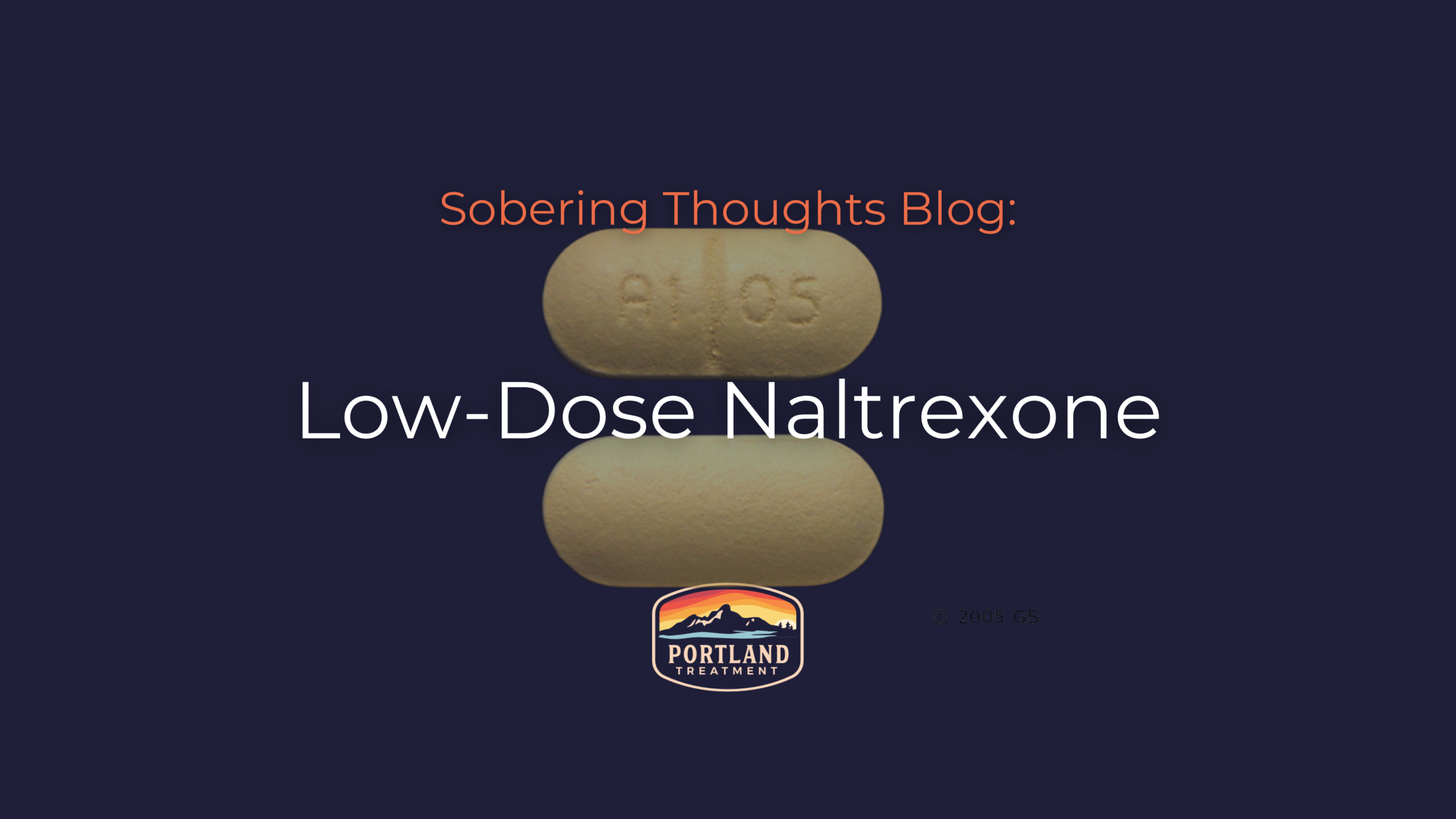

Low-dose naltrexone, often called LDN, is a smaller dose of naltrexone that some providers use off-label for chronic pain, inflammation, autoimmune symptoms, and other conditions. It is not the same thing as the standard naltrexone doses used in medication-assisted treatment, also called MAT, for alcohol use disorder or opioid use disorder.
That difference matters. Naltrexone can play a legitimate role in addiction treatment, but dose, timing, opioid use history, liver health, and treatment goals all matter. For someone in recovery, especially someone with opioid use disorder, taking naltrexone too soon or without medical supervision can cause serious withdrawal.
What Is Low-Dose Naltrexone?
Naltrexone is an opioid antagonist. That means it attaches to opioid receptors and blocks opioid effects rather than activating those receptors. At standard doses, naltrexone has been used in addiction treatment for alcohol dependence and opioid dependence. Oral naltrexone was FDA approved for alcohol dependence in 1994, and extended-release injectable naltrexone is FDA approved for alcohol dependence and prevention of relapse to opioid dependence after opioid detoxification.
Low-dose naltrexone is different. LDN usually refers to much smaller doses than the standard addiction-treatment dose. Many discussions of LDN involve doses around 1.5 mg to 4.5 mg, although exact dosing is decided by a prescriber. LDN is commonly discussed for chronic pain, fibromyalgia, autoimmune conditions, and inflammation-related symptoms, but those uses are generally off-label and the evidence is still developing.
In plain terms, naltrexone is a real medication with real addiction-treatment uses. Low-dose naltrexone is a lower-dose, off-label use of that same medication, usually for reasons outside standard substance use disorder treatment.
Low-Dose Naltrexone vs. Standard Naltrexone
The easiest way to understand the difference is to separate the goal of treatment.
| Type of naltrexone use | Common purpose | Addiction treatment role |
|---|---|---|
| Low-dose naltrexone | Often used off-label for chronic pain, inflammation, or immune-related symptoms | Not considered standard MAT for opioid or alcohol use disorder |
| Oral naltrexone | Used for alcohol dependence and opioid blockade | Can be part of treatment for alcohol use disorder or opioid use disorder |
| Extended-release naltrexone injection | Monthly injection used for alcohol dependence or relapse prevention after opioid detox | FDA-approved MAT option when clinically appropriate |
Standard naltrexone can be part of a MAT plan. Low-dose naltrexone should not be confused with that. LDN is not usually prescribed as the main relapse-prevention medication for opioid use disorder or alcohol use disorder.
How Does Naltrexone Work?
Naltrexone blocks opioid receptors. In alcohol use disorder treatment, this can reduce the rewarding effect of alcohol and help reduce craving for some people. SAMHSA’s alcohol pharmacotherapy guidance explains that naltrexone may help reduce craving and heavy drinking by blocking some of alcohol’s reward-related effects in the brain.
In opioid use disorder treatment, naltrexone works differently from buprenorphine or methadone. Buprenorphine and methadone help reduce withdrawal and cravings by acting on opioid receptors in controlled ways. Naltrexone blocks opioid effects. It does not relieve opioid withdrawal. It does not treat acute opioid cravings the same way buprenorphine or methadone can.
That is why timing is so important. If someone has opioids in their system or is physically dependent on opioids, naltrexone can trigger precipitated withdrawal. SAMHSA’s TIP 63 guidance says patients typically need to wait 7 to 10 days after short-acting opioids and 10 to 14 days after long-acting opioids before starting naltrexone.
What Is Low-Dose Naltrexone Used For?
Low-dose naltrexone is most often discussed for conditions involving chronic pain, inflammation, or immune system activity. Some people search for LDN because they are trying to avoid opioid pain medications. Others hear about it through functional medicine, chronic pain groups, or online health communities.
Possible off-label uses people may ask about include:
- Chronic pain
- Fibromyalgia
- Autoimmune symptoms
- Long COVID symptoms
- Multiple sclerosis symptoms
- Inflammatory bowel disease symptoms
- Chronic fatigue-related symptoms
The important point is that “being discussed” does not mean “proven for everyone.” Some early research is promising, especially around certain pain conditions, but LDN is still not a universal treatment and is not FDA approved for many of the conditions people search for online.
Is Low-Dose Naltrexone Addictive?
Naltrexone is not considered addictive in the way opioids, benzodiazepines, alcohol, or stimulants can be. It does not create opioid-like euphoria, and it does not activate opioid receptors. SAMHSA’s opioid treatment guidance describes naltrexone as having no abuse liability and no opioid effects.
That does not mean it is risk-free. A medication can be non-addictive and still be unsafe for the wrong person, at the wrong time, or with the wrong drug combination.
Why Low-Dose Naltrexone Matters in Addiction Recovery
LDN often comes up in addiction recovery because many people in recovery also deal with pain, inflammation, trauma, sleep problems, anxiety, or long-term health issues. Some are trying to avoid opioid pain medications because of past opioid misuse. Others may be looking for non-opioid options after detox or treatment. That is understandable, but it should be handled carefully.
For someone with opioid use disorder, any form of naltrexone can create problems if opioids are still in the body. This includes prescription opioids, heroin, fentanyl, oxycodone, hydrocodone, tramadol, methadone, buprenorphine, and some opioid-containing cough or diarrhea medications. The Vivitrol label specifically warns that patients should be opioid-free before starting treatment to avoid precipitated opioid withdrawal.
This is where medical supervision becomes essential. A person in recovery should not start LDN just because it sounds “low dose” or “natural.” It is still a prescription medication that affects opioid receptors.
Is Low-Dose Naltrexone the Same as MAT?
No. Low-dose naltrexone is not the same as MAT.
MAT, or medication-assisted treatment, uses FDA-approved medications along with counseling, therapy, monitoring, and recovery support to treat substance use disorders. For opioid use disorder, the main medication options include buprenorphine, methadone, and extended-release naltrexone. For alcohol use disorder, medications may include naltrexone, acamprosate, and disulfiram, depending on the person’s needs.
LDN may be part of a medical conversation for pain or inflammation, but it is not a substitute for a full addiction treatment plan. It should not replace detox, therapy, relapse-prevention care, medication management, or MAT when those services are clinically appropriate.
Naltrexone in MAT for Alcohol Use Disorder
Naltrexone can be used as part of treatment for alcohol use disorder. It may help reduce alcohol cravings and reduce the rewarding effects of drinking. In SAMHSA’s alcohol pharmacotherapy guidance, oral naltrexone is described as a medication that can reduce craving and help some people reduce heavy drinking or maintain abstinence.
For alcohol recovery, naltrexone is not a cure by itself. It works best when combined with a broader plan that may include therapy, relapse-prevention skills, support groups, family support, and treatment for co-occurring mental health concerns.
It is also not right for everyone. People with acute hepatitis, liver failure, certain medication needs, or ongoing opioid use may not be candidates for naltrexone. A medical provider should review liver function, current medications, alcohol withdrawal risk, opioid use history, and overall health before prescribing it.
Naltrexone in MAT for Opioid Use Disorder
Extended-release naltrexone can be used after opioid detox to help prevent relapse. The injectable form, Vivitrol, is given every 4 weeks or once a month and is indicated for prevention of relapse to opioid dependence following opioid detoxification. It should be part of a comprehensive treatment plan that includes psychosocial support.
The challenge is that naltrexone requires a person to be fully off opioids first. That can be difficult for many people, especially those using fentanyl or long-acting opioids. If naltrexone is started too soon, it can cause severe withdrawal. SAMHSA notes that naltrexone does not relieve withdrawal symptoms and that patients need an adequate opioid-free period before starting it.
For some people, buprenorphine or methadone may be a better fit. For others, extended-release naltrexone may be appropriate after detox. The right choice depends on medical history, opioid use patterns, relapse risk, treatment setting, personal goals, and access to care.
What to Avoid When Taking Low-Dose Naltrexone
People taking low-dose naltrexone should follow their prescriber’s instructions. They should also be honest about all medications and substances they use.
The biggest concern is opioid exposure. Because naltrexone blocks opioid receptors, taking it with opioids can either reduce the effect of opioids or trigger withdrawal in someone who is physically dependent. This may include prescription pain pills, fentanyl, heroin, methadone, buprenorphine, tramadol, and some opioid-containing cough medicines.
People should also be cautious with alcohol, liver disease, pregnancy, breastfeeding, and any medication that may require opioid pain control. Naltrexone may not be appropriate if someone expects to need opioid pain medication soon, such as after surgery or dental work. SAMHSA’s guidance lists anticipated need for opioid pain medication and current opioid use as reasons oral naltrexone may not be appropriate.
Side Effects of Naltrexone
Side effects can vary by dose and form. Oral naltrexone may cause nausea, vomiting, headache, dizziness, fatigue, nervousness, anxiety, sleep problems, stomach pain, or muscle and joint pain. The extended-release injection can also cause injection-site reactions. Serious risks can include liver problems, depression or suicidal thoughts, allergic reactions, and precipitated opioid withdrawal in people who recently used opioids.
LDN is often described online as well tolerated, but that does not mean side effects are impossible. People with substance use histories should be especially careful because opioid-blocking medications can complicate pain treatment, relapse risk, and emergency care.
Can Low-Dose Naltrexone Help People Avoid Opioids?
Possibly for some people with chronic pain, but it should not be oversold. One reason LDN gets attention is that it is not an opioid and does not cause opioid intoxication. For someone with a history of opioid misuse, that can sound appealing.
Still, LDN is not a guaranteed pain treatment, and it is not a direct replacement for addiction care. A person with chronic pain and a history of substance use may need a coordinated plan that includes non-opioid pain care, therapy, physical rehabilitation, trauma-informed support, medication management, and relapse-prevention planning.
This is where a treatment team matters. The goal is not just to avoid opioids. The goal is to treat pain, protect recovery, and reduce relapse risk at the same time.
When to Talk to a Treatment Provider
Someone should talk to a qualified provider before taking low-dose naltrexone if they:
- Are currently using opioids
- Recently stopped opioids
- Take buprenorphine, methadone, or opioid pain medication
- Have alcohol dependence or heavy drinking patterns
- Have liver disease or hepatitis
- May need surgery or dental work
- Are pregnant, trying to become pregnant, or breastfeeding
- Have a history of severe depression or suicidal thoughts
- Are considering naltrexone as part of recovery
For people in Maine who are dealing with alcohol use, opioid use, or other substance use concerns, Portland Treatment Center can help explain treatment options and connect the conversation back to real recovery support. MAT may include medications like buprenorphine or naltrexone when clinically appropriate, but medication works best as part of a larger plan that includes therapy, accountability, and ongoing care.
Low-Dose Naltrexone and Recovery: The Bottom Line
Low-dose naltrexone is not the same as standard naltrexone treatment for alcohol or opioid use disorder. It is a lower-dose, off-label use that some providers may consider for pain or inflammation-related concerns. Standard naltrexone, especially extended-release naltrexone, can be part of MAT for certain people with alcohol use disorder or opioid use disorder.
The key is medical guidance. Naltrexone affects opioid receptors, and that can be dangerous if someone has opioids in their system. For people in recovery, the safest path is to talk openly with a provider about opioid use history, alcohol use, pain, medications, and relapse risk before starting LDN or any form of naltrexone.
Frequently Asked Questions About Low-Dose Naltrexone
Is low-dose naltrexone used for addiction treatment?
Low-dose naltrexone is not usually used as the main medication for addiction treatment. Standard oral naltrexone or extended-release injectable naltrexone may be used as part of MAT for alcohol use disorder or opioid use disorder, but LDN is usually discussed for off-label pain or inflammation-related uses.
Is low-dose naltrexone the same as Vivitrol?
No. Vivitrol is extended-release injectable naltrexone given once monthly for alcohol dependence or prevention of relapse to opioid dependence after detox. Low-dose naltrexone is usually a much smaller oral dose used off-label for other health concerns.
Can you take low-dose naltrexone while on opioids?
People should not take naltrexone with opioids unless a qualified medical provider specifically manages the situation. Naltrexone can block opioid effects and may trigger withdrawal in someone who is physically dependent on opioids.
Can low-dose naltrexone help with alcohol cravings?
Low-dose naltrexone is not the standard dose used for alcohol use disorder treatment. Standard oral naltrexone or extended-release naltrexone may help reduce alcohol cravings for some people when used as part of a treatment plan.
Is naltrexone considered MAT?
Yes, standard naltrexone can be part of medication-assisted treatment for alcohol use disorder or opioid use disorder when clinically appropriate. Low-dose naltrexone, however, should not be confused with standard MAT dosing or extended-release naltrexone treatment.
Sources
- Center for Substance Abuse Treatment. (2009). Chapter 4: Oral naltrexone. In Incorporating alcohol pharmacotherapies into medical practice (Treatment Improvement Protocol Series No. 49). Substance Abuse and Mental Health Services Administration. https://www.ncbi.nlm.nih.gov/books/NBK64042/
- Substance Abuse and Mental Health Services Administration. (2021). Chapter 3C: Naltrexone. In Medications for opioid use disorder (Treatment Improvement Protocol Series No. 63). https://www.ncbi.nlm.nih.gov/books/NBK574913/
- DailyMed. (2025). Vivitrol: Naltrexone kit. U.S. National Library of Medicine. https://dailymed.nlm.nih.gov/dailymed/drugInfo.cfm?setid=cd11c435-b0f0-4bb9-ae78-60f101f3703f
- Toljan, K., & Vrooman, B. (2018). Low-dose naltrexone (LDN): Review of therapeutic utilization. Medical Sciences, 6(4), 82. https://doi.org/10.3390/medsci6040082
It’s easy and free!

John Ingham
John Ingham is a respected leader and medical content writer specializing in behavioral health, addiction treatment, and other mental health. With more than a decade of experience in the recovery and treatment field, his work has been featured across leading treatment networks and educational platforms, and has contributed as a lecturer in graduate level seminars within the Steve Hicks School of Social Work at University of Texas at Austin, and undergraduate seminars at Vanderbilt University. John's work has also been recognized in public service announcements, documentaries and more, including a feature that won an Emmy Award. John has collaborated with presidential appointees in the White House, clinicians, program directors, and other leaders throughout the behavioral health space, further establishing his role as a trusted voice in the field.