Going five days without alcohol can be a major step. For some people, it is a short break after a period of drinking too much. For others, it is the first real attempt to stop drinking and see what life feels like without alcohol. The first five days can bring positive changes, such as clearer …
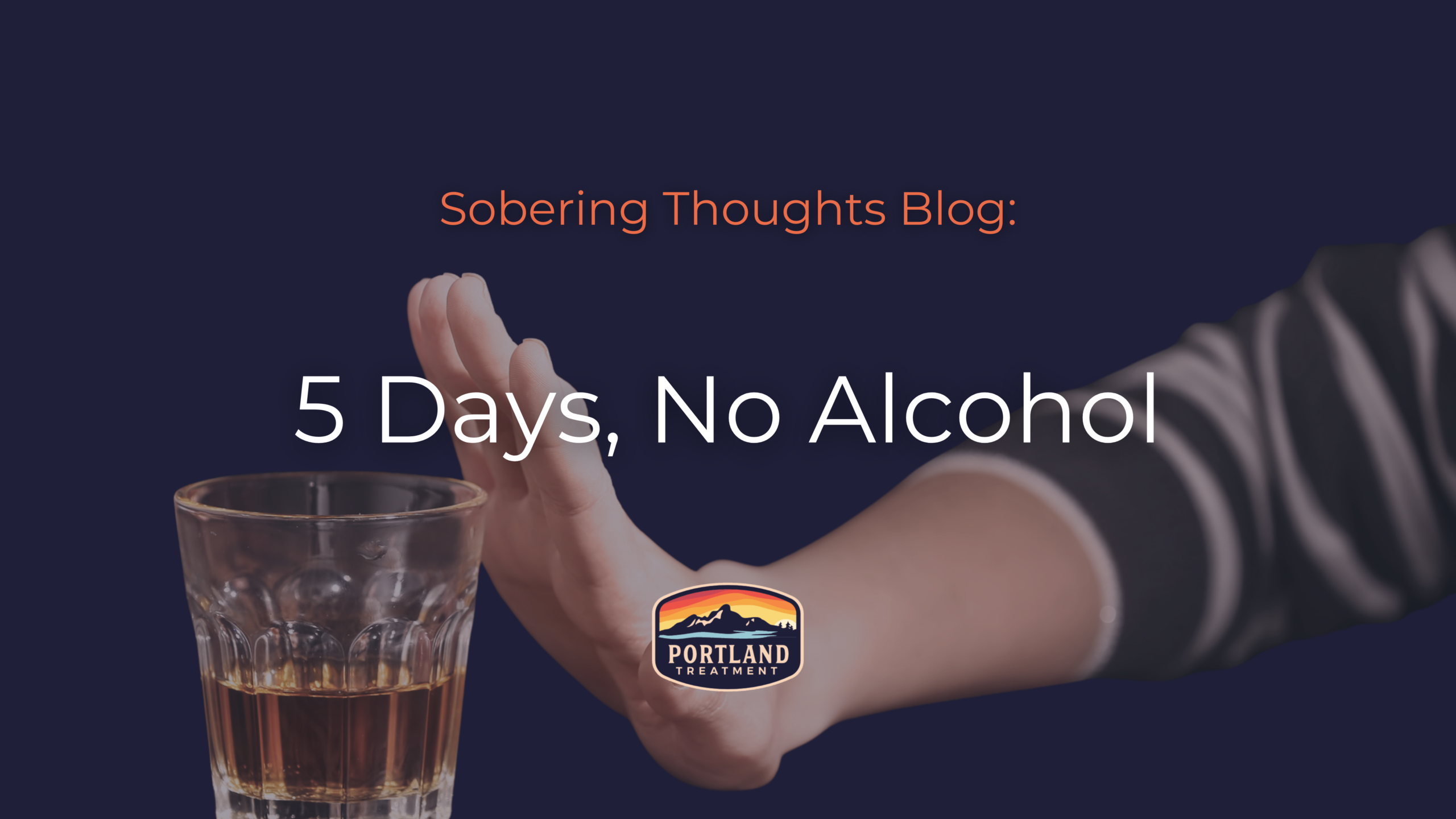

Going five days without alcohol can be a major step. For some people, it is a short break after a period of drinking too much. For others, it is the first real attempt to stop drinking and see what life feels like without alcohol.
The first five days can bring positive changes, such as clearer thinking, less bloating, improved hydration, better appetite, and fewer hangover symptoms. But they can also bring withdrawal symptoms, especially for people who drink heavily or drink every day.
Alcohol withdrawal is not the same as a hangover. A hangover happens after drinking. Withdrawal can happen when the body has adapted to regular alcohol use and alcohol is suddenly reduced or stopped. Symptoms can range from anxiety, sweating, insomnia, and shaky hands to seizures, hallucinations, or delirium tremens in severe cases.
At Portland Treatment, we help people move beyond short-term attempts to quit drinking and into structured recovery. If five days without alcohol feels impossible, unsafe, or emotionally overwhelming, it may be time to consider professional support.
What Happens When You Stop Drinking for 5 Days?
During the first five days without alcohol, your body and brain begin adjusting to the absence of alcohol. How this feels depends on your drinking history, overall health, mental health, and whether other substances are involved.
Someone who drinks occasionally may notice mild discomfort and early benefits. Someone who drinks heavily may experience withdrawal symptoms that require medical attention.
Alcohol affects the nervous system, sleep cycle, mood, digestion, hydration, liver function, blood pressure, and reward pathways in the brain. When alcohol is removed, the body has to rebalance. This can create physical symptoms, emotional discomfort, and cravings.
Alcohol Withdrawal Warning: When Stopping Drinking Can Be Dangerous
Before starting a five-day no-alcohol challenge, it is important to understand the risks. Heavy alcohol use can lead to physical dependence. When a dependent person stops suddenly, withdrawal can become serious.
Seek medical help right away if you or someone else experiences:
- Seizures
- Hallucinations
- Confusion
- Severe shaking
- Chest pain
- Fainting
- Fever
- Severe vomiting
- Extreme agitation
- Rapid heartbeat
- Very high blood pressure
- Symptoms that keep getting worse
People with a history of alcohol withdrawal seizures, delirium tremens, heavy daily drinking, benzodiazepine use, serious medical conditions, or repeated failed attempts to stop drinking should talk with a medical professional before quitting abruptly.
Day 1 With No Alcohol: The First 24 Hours
The first day without alcohol may feel like a hangover at first. Headache, nausea, fatigue, dry mouth, and irritability are common after drinking. However, if your body is dependent on alcohol, withdrawal symptoms may begin within hours after your last drink.
Common symptoms during the first 24 hours may include:
- Anxiety
- Irritability
- Headache
- Nausea
- Sweating
- Shaky hands
- Restlessness
- Trouble sleeping
- Cravings
- Poor appetite
- Faster heartbeat
This is often when people begin bargaining with themselves. They may think, “I’ll just have one drink to calm down” or “I can start again tomorrow.” If alcohol feels necessary just to feel normal, that may be a sign of dependence.
What Helps on Day 1?
If symptoms are mild, focus on staying hydrated, eating small meals, resting, and avoiding triggers. Let someone you trust know that you are not drinking.
Helpful steps may include:
- Drinking water or electrolyte fluids
- Eating simple foods even if appetite is low
- Avoiding caffeine if anxiety is high
- Resting in a calm environment
- Removing alcohol from the home
- Checking in with a trusted person
- Avoiding driving if shaky, foggy, or sleep-deprived
If symptoms feel severe, unpredictable, or frightening, medical support is the safer option.
Day 2 With No Alcohol: Symptoms May Get Stronger
Day two can be harder than day one for people who are physically dependent on alcohol. The nervous system may become more overactive as alcohol leaves the body.
Symptoms on day two may include:
- Stronger anxiety
- Sweating
- Tremors
- Insomnia
- Nausea
- Headache
- Irritability
- Panic feelings
- Mood swings
- Fast heartbeat
- Higher blood pressure
- Strong cravings
This is where many people return to drinking because they want relief from withdrawal discomfort. That does not mean they are weak. It may mean their body needs medical stabilization and a stronger recovery plan.
What Helps on Day 2?
Day two is a good time to stop relying on willpower alone. Structure matters.
Helpful steps may include:
- Calling a treatment provider
- Talking with a doctor
- Avoiding people or places connected to drinking
- Staying close to sober support
- Eating and hydrating consistently
- Writing down symptoms honestly
- Planning what to do when cravings hit
If symptoms are worsening, do not try to tough it out alone.
Day 3 With No Alcohol: Withdrawal May Peak
For many people, alcohol withdrawal symptoms are most intense around days two and three. This can be discouraging because people may expect to feel better quickly, only to feel worse before they improve.
Possible day three symptoms include:
- Strong cravings
- Anxiety or panic
- Insomnia
- Sweating
- Tremors
- Nausea
- Headache
- Irritability
- Brain fog
- Rapid heartbeat
- Elevated blood pressure
- Mood swings
Severe alcohol withdrawal symptoms can also occur during this window. Seizures, hallucinations, confusion, and delirium tremens are medical emergencies.
Why Day 3 Can Feel So Difficult
Alcohol slows activity in the central nervous system. With regular use, the brain adapts to alcohol being present. When alcohol is suddenly removed, the nervous system can rebound in the opposite direction. This may cause shaking, anxiety, sleep problems, agitation, and physical discomfort.
This is not a lack of discipline. It is a biological response. The safest thing to do is get the right support.
Day 4 With No Alcohol: Some Physical Symptoms May Ease
By day four, some people begin to feel more physically stable. Nausea may improve. Sweating and shaking may decrease. Appetite may return. Mornings may feel clearer.
However, day four can also bring a different kind of risk. When someone starts feeling better, it is easy to believe the problem is gone.
Common thoughts may include:
- “I proved I can stop.”
- “I probably do not need help.”
- “I can drink normally now.”
- “I only needed a short break.”
- “One drink will not hurt.”
For someone with alcohol use disorder, feeling better after a few days does not mean alcohol is under control. It may simply mean the acute withdrawal period is easing.
What Helps on Day 4?
Day four is a good time to start thinking beyond the detox window.
Ask yourself:
- Was it hard to stop?
- Did I have withdrawal symptoms?
- Did cravings feel manageable or overwhelming?
- Did I need alcohol to sleep or calm down?
- What emotions came up when I stopped drinking?
- What would make me drink again?
The answers can help you decide whether ongoing treatment may be needed.
Day 5 With No Alcohol: Early Benefits May Show Up
By day five, many people notice meaningful improvements. The body may feel less inflamed. Digestion may improve. Morning clarity may return. Appetite and hydration may be better.
Possible benefits after five days without alcohol include:
- Less bloating
- Clearer thinking
- Improved hydration
- Better appetite
- Less nausea
- Fewer headaches
- More stable energy
- Reduced sweating or shaking
- Improved digestion
- Better morning mood
- Greater sense of control
Not everyone feels great by day five. Sleep problems, anxiety, fatigue, irritability, and cravings may still continue. That does not mean recovery is not working. It may mean the body and brain need more time and support.
5 Days No Alcohol Benefits
Five days without alcohol is not a complete recovery plan, but it can be a powerful start. It may help you see how alcohol has been affecting your body, mood, sleep, relationships, and daily routine.
Physical Benefits
Some people notice:
- Less facial puffiness
- Less stomach irritation
- Better hydration
- Fewer alcohol-related headaches
- Improved appetite
- Better digestion
- Less nausea
- More stable blood sugar
- Improved skin appearance
- More energy in the morning
Mental and Emotional Benefits
Early emotional benefits may include:
- Less guilt after waking up
- Clearer memory
- More motivation
- Better focus
- More presence with family
- Greater confidence
- A stronger sense of control
However, some people feel emotionally worse before they feel better. Alcohol often covers anxiety, depression, trauma, grief, or stress. When drinking stops, those feelings may become more noticeable. That is one reason treatment can be important after the first few days.
Why Am I Still Tired After 5 Days Without Alcohol?
Fatigue is common after stopping alcohol. Alcohol can make people feel sleepy, but it disrupts sleep quality. When alcohol is removed, the body may need time to rebuild normal sleep patterns.
You may still feel tired because of:
- Poor sleep
- Night sweats
- Anxiety
- Dehydration
- Nutritional changes
- Blood sugar shifts
- Depression
- The body recovering from alcohol stress
Sleep usually improves over time, but ongoing insomnia can increase relapse risk. If you feel like drinking is the only way to sleep, it is time to get support.
What If I Still Crave Alcohol After 5 Days?
Cravings after five days are common. A craving does not mean you failed. It means your brain still associates alcohol with relief, reward, escape, or routine.
Cravings may be triggered by:
- Stress
- Anxiety
- Anger
- Loneliness
- Boredom
- Pain
- Social pressure
- Work stress
- Relationship conflict
- Weekends
- Certain places or people
The goal is not just to avoid drinking for five days. The goal is to understand what makes alcohol feel necessary and build healthier ways to respond.
What If I Drink Again After 5 Days?
Drinking again after five days does not mean you are hopeless. It means your recovery plan may need more support.
Instead of focusing only on shame, look at what happened:
- Were withdrawal symptoms too strong?
- Did cravings build over time?
- Were you around alcohol?
- Did stress trigger the relapse?
- Did you isolate?
- Did you stop asking for help?
- Did you believe one drink would be fine?
Relapse can be dangerous, but it can also provide information. If you keep promising yourself you will stop and then returning to drinking, structured treatment can help interrupt that cycle.
Is 5 Days Without Alcohol Enough?
Five days without alcohol is meaningful, but it may not be enough for long-term recovery.
A five-day break can help reveal:
- Whether withdrawal symptoms appear
- How strong cravings are
- Whether you can sleep without alcohol
- How alcohol affects your mood
- Whether drinking has become part of your routine
- Whether mental health symptoms become more noticeable
- Whether professional treatment may help
A better question may be: “What did these five days show me?”
Medication-Assisted Treatment for Alcohol Addiction
Medication-assisted treatment may be part of care for alcohol use disorder. These medications do not replace therapy or recovery work, but they may help reduce cravings, support abstinence, or lower the risk of returning to heavy drinking.
One medication used for alcohol use disorder is naltrexone. Naltrexone is not a substitute for alcohol and does not create a high. It works by blocking opioid receptors involved in the rewarding effects of alcohol. For some people, this may reduce cravings and make alcohol feel less reinforcing if drinking occurs.
Naltrexone may be prescribed as a daily pill or as a monthly injection. It is not right for everyone, especially people who currently use opioids, may need opioid pain medication, or have certain liver concerns. A medical provider should review your health history before starting naltrexone or any medication for alcohol use disorder.
Medication often works best when combined with therapy, relapse-prevention planning, peer support, and structured treatment.
When Alcohol Detox May Be Needed
Alcohol detox may be needed when withdrawal symptoms are unsafe, severe, or difficult to manage alone. Detox can help stabilize the body and reduce the risks connected to alcohol withdrawal.
Alcohol detox may be appropriate if you:
- Drink heavily or daily
- Drink in the morning to feel normal
- Shake when you do not drink
- Have had withdrawal seizures
- Have experienced hallucinations during withdrawal
- Mix alcohol with benzodiazepines, opioids, or other substances
- Have tried to stop many times and relapsed
- Feel physically unsafe when you stop drinking
- Have serious medical or mental health concerns
Detox is not the full recovery process. It is the first step. After detox, ongoing treatment can help address cravings, triggers, mental health, relapse prevention, and the patterns that keep alcohol use going.
Alcohol Treatment at Portland Treatment
Portland Treatment provides addiction treatment for people who are ready to stop drinking and build a more stable recovery. We understand that alcohol addiction is not just about alcohol. It can involve anxiety, depression, trauma, family strain, stress, shame, isolation, and repeated attempts to quit without enough support.
Our programs help clients move beyond short-term abstinence and into structured recovery. Treatment may include therapy, relapse-prevention planning, peer support, support for co-occurring mental health concerns, and care designed around each person’s needs.
For many people, outpatient treatment can provide structure while allowing them to keep moving forward in daily life. Supportive housing may also help create distance from drinking triggers while recovery routines become stronger.
If five days without alcohol feels impossible, unsafe, or emotionally overwhelming, you do not have to keep trying alone. Portland Treatment can help you take the next step.
FAQ: 5 Days Without Alcohol
What happens after 5 days of no alcohol?
After five days without alcohol, many people notice less bloating, clearer thinking, better hydration, improved appetite, fewer headaches, and more stable mornings. Some people may still have anxiety, insomnia, cravings, fatigue, or lingering withdrawal symptoms.
Is day 5 without alcohol still withdrawal?
It can be. Many acute withdrawal symptoms improve within several days, but anxiety, sleep problems, irritability, and cravings may continue beyond day five.
What is the hardest day after quitting alcohol?
For many people, days two and three are the hardest because withdrawal symptoms may peak during that period. However, emotional cravings and relapse triggers can continue after physical symptoms improve.
Is it safe to quit alcohol cold turkey?
Quitting cold turkey may be unsafe for people who drink heavily, drink daily, or have a history of withdrawal symptoms. Alcohol withdrawal can cause serious complications, including seizures, hallucinations, and delirium tremens.
Why do I feel anxious after stopping alcohol?
Alcohol affects brain chemicals involved in calmness, stress, and reward. When alcohol is removed, the nervous system may become overactive. Anxiety can also return if alcohol was being used to cope with stress or emotional pain.
Will I sleep better after 5 days without alcohol?
Some people begin sleeping better, but others experience insomnia, vivid dreams, night sweats, or restless sleep early in sobriety. Sleep often improves over time.
What are the benefits of 5 days without alcohol?
Benefits may include less bloating, clearer thinking, improved hydration, better appetite, fewer headaches, less nausea, and more stable energy. Emotional benefits may include less guilt, more motivation, and a stronger sense of control.
Can naltrexone help with alcohol cravings?
Naltrexone may help reduce alcohol cravings and make drinking feel less rewarding for some people. It should only be used under medical supervision and is often most effective as part of a broader treatment plan.
What should I do after 5 days sober?
Use the momentum to build a longer-term plan. Consider therapy, peer support, medical evaluation, outpatient treatment, sober housing, relapse-prevention planning, or another level of care if cravings, withdrawal symptoms, or relapse risk continue.
Get Help for Alcohol Addiction in Maine
Five days without alcohol can be the beginning of a healthier life. It can also reveal that stopping is harder than expected. If withdrawal symptoms, cravings, relapse, or fear of quitting is keeping you stuck, Portland Treatment can help.
Reach out today to learn more about alcohol addiction treatment in Maine and take the next step toward recovery.
Sources
American Society of Addiction Medicine. (2020). The ASAM clinical practice guideline on alcohol withdrawal management. https://www.asam.org/quality-care/clinical-guidelines/alcohol-withdrawal-management
Centers for Disease Control and Prevention. (2025). Alcohol use and your health. https://www.cdc.gov/alcohol/about-alcohol-use/index.html
Mayo Clinic. (2024). Alcohol use disorder: Diagnosis and treatment. https://www.mayoclinic.org/diseases-conditions/alcohol-use-disorder/diagnosis-treatment/drc-20369250
National Institute on Alcohol Abuse and Alcoholism. (n.d.). Alcohol treatment navigator: Medications. https://alcoholtreatment.niaaa.nih.gov/treatments-medications/medications
National Institute on Alcohol Abuse and Alcoholism. (2025). Understanding alcohol use disorder. National Institutes of Health. https://www.niaaa.nih.gov/publications/brochures-and-fact-sheets/understanding-alcohol-use-disorder
Newman, R. K., & Stobart Gallagher, M. A. (2024). Alcohol withdrawal. In StatPearls. StatPearls Publishing. https://www.ncbi.nlm.nih.gov/books/NBK441882/
Substance Abuse and Mental Health Services Administration. (n.d.). Medications for substance use disorders. https://www.samhsa.gov/substance-use/treatment/options
It’s easy and free!

John Ingham
John Ingham is a respected leader and medical content writer specializing in behavioral health, addiction treatment, and other mental health. With more than a decade of experience in the recovery and treatment field, his work has been featured across leading treatment networks and educational platforms, and has contributed as a lecturer in graduate level seminars within the Steve Hicks School of Social Work at University of Texas at Austin, and undergraduate seminars at Vanderbilt University. John's work has also been recognized in public service announcements, documentaries and more, including a feature that won an Emmy Award. John has collaborated with presidential appointees in the White House, clinicians, program directors, and other leaders throughout the behavioral health space, further establishing his role as a trusted voice in the field.