The M523 pill is a prescription opioid pain medication that contains oxycodone hydrochloride 10 mg and acetaminophen 325 mg. It is typically described as a white to off-white, capsule-shaped tablet with “M523” on one side and “10/325” on the other. According to DailyMed, this medication is an oxycodone and acetaminophen tablet used for moderate to …
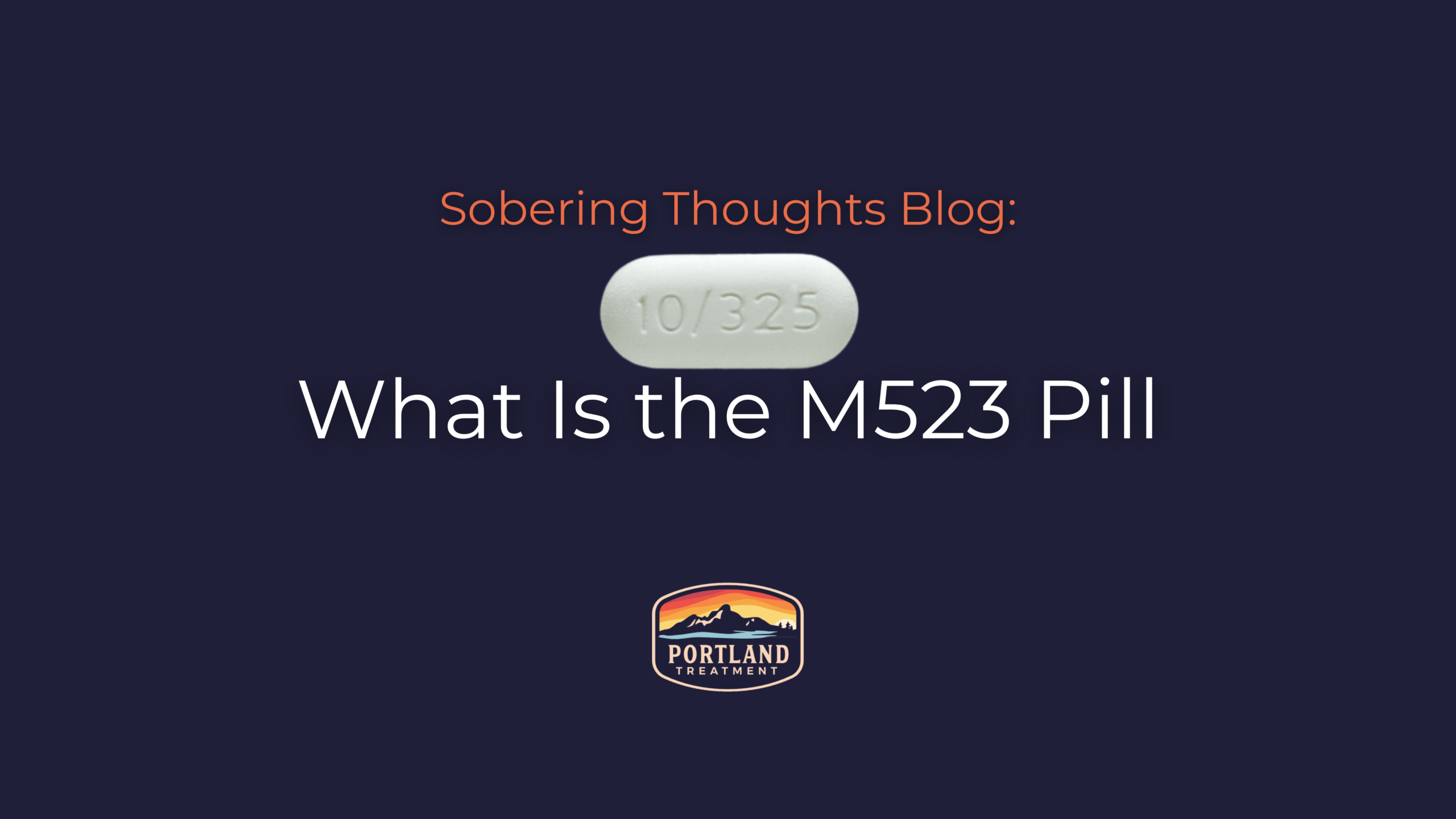

The M523 pill is a prescription opioid pain medication that contains oxycodone hydrochloride 10 mg and acetaminophen 325 mg. It is typically described as a white to off-white, capsule-shaped tablet with “M523” on one side and “10/325” on the other. According to DailyMed, this medication is an oxycodone and acetaminophen tablet used for moderate to moderately severe pain when prescribed by a medical provider.
Because the M523 pill contains oxycodone, it has a risk of misuse, dependence, addiction, respiratory depression, overdose, and withdrawal. It also contains acetaminophen, which can cause serious liver injury when taken in high doses or combined with other acetaminophen-containing medications.
For people in Maine who are struggling with opioid use, prescription painkiller misuse, or withdrawal symptoms, Portland Treatment offers outpatient care that can help people stabilize and begin recovery with support.
M523 Pill at a Glance
| Category | Details |
|---|---|
| Pill imprint | M523 on one side, 10/325 on the other |
| Medication type | Prescription opioid pain medication |
| Active ingredients | Oxycodone hydrochloride 10 mg and acetaminophen 325 mg |
| Drug class | Opioid analgesic combination |
| Common comparison | Similar active ingredients to some Percocet 10/325 formulations |
| Main risks | Dependence, addiction, overdose, respiratory depression, withdrawal, liver damage |
| Counterfeit risk | Pills bought outside a licensed pharmacy may be fake and could contain fentanyl |
| Emergency warning | Call 911 for slowed breathing, blue lips, unconsciousness, or suspected overdose |
What Does the M523 Pill Contain?
The M523 pill contains two medications:
- Oxycodone: a semi-synthetic opioid that changes how the brain and nervous system respond to pain.
- Acetaminophen: a non-opioid pain reliever that can also reduce fever.
This combination may be prescribed for pain, but it can be dangerous when taken in higher amounts than prescribed, mixed with alcohol or sedatives, or used without medical supervision.
Is the M523 Pill the Same as Percocet?
The M523 pill is not necessarily brand-name Percocet, but it contains the same type of active ingredients found in some Percocet tablets: oxycodone and acetaminophen. Brand-name Percocet and generic oxycodone-acetaminophen products can vary by manufacturer, imprint, appearance, and inactive ingredients.
| Feature | M523 Pill | Brand-Name Percocet 10/325 |
|---|---|---|
| Active ingredients | Oxycodone 10 mg / acetaminophen 325 mg | Oxycodone 10 mg / acetaminophen 325 mg |
| Brand or generic | Generic | Brand-name |
| Typical use | Moderate to moderately severe pain | Moderate to moderately severe pain |
| Opioid risk | Yes | Yes |
| Acetaminophen liver risk | Yes | Yes |
| Dependence/withdrawal risk | Yes | Yes |
Even when a pill is prescribed, oxycodone can cause physical dependence. This means the body can adapt to the medication, and stopping suddenly may lead to withdrawal symptoms.
Why the M523 Pill Can Be Dangerous
The M523 pill can be risky for several reasons. First, oxycodone can slow breathing, especially when taken in high doses or combined with other depressants such as alcohol, benzodiazepines, sleep medications, or other opioids. Serious, life-threatening, or fatal respiratory depression is a known risk with oxycodone-acetaminophen medications.
Second, acetaminophen can damage the liver when taken above recommended limits. This risk increases when someone takes multiple medications that contain acetaminophen or drinks alcohol while using acetaminophen-containing products. DailyMed notes that many acetaminophen-related liver injury cases involve doses above 4,000 mg per day and often involve more than one acetaminophen-containing product.
Third, counterfeit pills are a growing concern. A pill that looks like an opioid medication may not contain oxycodone at all. The DEA warns that many fake pills are made to look like prescription opioids, including oxycodone and Percocet, but may contain fentanyl or methamphetamine.
Can M523 Pills Be Fake?
Yes. Any pill purchased online, from a dealer, through social media, or from anywhere other than a licensed pharmacy may be counterfeit. Fake pills can be made to look nearly identical to real prescription medications.
This is especially dangerous because fentanyl can be present in counterfeit pills without the person knowing. The CDC states that illegally made fentanyl is increasingly pressed into counterfeit pills, and naloxone can reverse overdoses involving opioids, including fentanyl.
Because there is no reliable way to confirm a pill’s contents by appearance alone, any non-prescribed pill should be treated as high risk.
Signs of an Opioid Overdose
An opioid overdose is a medical emergency. Call 911 immediately if someone may have taken oxycodone, a counterfeit pill, fentanyl, or another opioid and shows signs such as:
- Slow, shallow, or stopped breathing
- Blue or gray lips or fingertips
- Unresponsiveness
- Limp body
- Gurgling, choking, or snoring-like sounds
- Pinpoint pupils
- Cold or clammy skin
- Vomiting while unconscious
- Inability to wake up
Naloxone can help reverse an opioid overdose, but emergency medical care is still needed. More than one dose of naloxone may be needed, especially when fentanyl or other synthetic opioids are involved.
M523 Pill Withdrawal Symptoms
People who take oxycodone regularly may develop physical dependence. If they stop suddenly or reduce their dose too quickly, withdrawal symptoms may occur.
Common opioid withdrawal symptoms may include:
- Anxiety
- Restlessness
- Sweating
- Runny nose
- Watery eyes
- Muscle aches
- Insomnia
- Nausea
- Vomiting
- Diarrhea
- Chills
- Cravings
- Irritability
- Increased heart rate
Opioid withdrawal is often not as medically dangerous as alcohol or benzodiazepine withdrawal, but it can feel overwhelming and may increase the risk of relapse or overdose. Medical support can make the process safer and more manageable.
When M523 Use Becomes a Problem
A person may need help if they are taking M523 or other oxycodone-acetaminophen pills in ways that are not prescribed. Warning signs can include:
- Taking more than prescribed
- Running out early
- Crushing, snorting, or injecting pills
- Mixing pills with alcohol or sedatives
- Buying pills without a prescription
- Feeling unable to stop
- Experiencing withdrawal between doses
- Continuing use despite problems at home, work, or school
- Spending a lot of time trying to get or recover from opioids
- Using opioids to manage stress, anxiety, or emotional pain
These signs do not mean someone is weak or beyond help. They may indicate opioid use disorder, which is treatable.
Treatment for M523 and Oxycodone Addiction in Maine
Portland Treatment helps people in Maine access outpatient treatment for substance use disorders, including opioid addiction. Outpatient care allows clients to receive structured support while continuing to live at home or in supportive housing.
Treatment may include:
- Clinical assessment
- Individual therapy
- Group therapy
- Relapse prevention planning
- Case management
- Recovery skills
- Support for co-occurring mental health symptoms
- Medication-assisted treatment referrals or coordination when appropriate
- Step-down support after detox, residential treatment, or higher levels of care
For some people, medication-assisted treatment may be part of recovery from opioid use disorder. Medications such as buprenorphine, methadone, or naltrexone may help reduce cravings, lower overdose risk, and support long-term stabilization when used as part of a comprehensive treatment plan.
How Portland Treatment Can Help
If M523 pills, oxycodone, Percocet, or other opioids have become difficult to stop, Portland Treatment can help you take the next step. Our outpatient programs are designed to support people who need real treatment while maintaining more flexibility than inpatient care.
You do not have to wait until things get worse. Whether you are worried about withdrawal, counterfeit pills, relapse, or daily opioid use, help is available. Portland Treatment can help you understand your options and build a plan for recovery.
Frequently Asked Questions About the M523 Pill
What is the M523 pill?
The M523 pill is a prescription oxycodone-acetaminophen tablet. It contains oxycodone hydrochloride 10 mg and acetaminophen 325 mg and is typically marked with “M523” on one side and “10/325” on the other.
Is M523 a Percocet?
M523 is a generic oxycodone-acetaminophen tablet, not necessarily brand-name Percocet. However, it contains the same active ingredients and strength as some Percocet 10/325 formulations.
Is the M523 pill an opioid?
Yes. The M523 pill contains oxycodone, which is an opioid pain medication. Opioids can cause dependence, addiction, withdrawal, and overdose.
Can you overdose on M523?
Yes. Taking too much oxycodone, mixing it with alcohol or sedatives, or taking a counterfeit pill can lead to overdose. Signs of overdose include slowed breathing, unconsciousness, blue lips, and inability to wake up. Call 911 immediately if overdose is suspected.
Can M523 pills contain fentanyl?
A legitimate M523 pill from a licensed pharmacy should contain oxycodone and acetaminophen. However, counterfeit pills made to look like oxycodone or Percocet may contain fentanyl or other dangerous substances.
What happens if you stop taking M523 suddenly?
If someone has been taking oxycodone regularly, stopping suddenly may cause opioid withdrawal symptoms such as anxiety, sweating, insomnia, nausea, diarrhea, body aches, and cravings. Medical support can help make withdrawal safer and more manageable.
Where can I get help for oxycodone addiction in Maine?
Portland Treatment offers outpatient addiction treatment for people in Maine who are struggling with opioids, prescription painkillers, or other substances. Treatment can help you stabilize, prevent relapse, and build a long-term recovery plan.
Sources
DailyMed. (n.d.). Oxycodone hydrochloride and acetaminophen tablet. U.S. National Library of Medicine. https://dailymed.nlm.nih.gov/dailymed/drugInfo.cfm?setid=77a4aae7-a0cc-4f86-b91f-ec4112c6d3be
DailyMed. (n.d.). Oxycodone hydrochloride and acetaminophen tablet: Boxed warning. U.S. National Library of Medicine. https://dailymed.nlm.nih.gov/dailymed/drugInfo.cfm?setid=aa4940e0-9983-4b53-8278-78c5fcaceba5
DailyMed. (n.d.). Percocet: Oxycodone hydrochloride and acetaminophen tablet. U.S. National Library of Medicine. https://dailymed.nlm.nih.gov/dailymed/drugInfo.cfm?setid=4dd36cf5-8f73-404a-8b1d-3bd53bd90c25
Drug Enforcement Administration. (n.d.). Fake prescription pills. https://www.dea.gov/factsheets/fake-prescription-pills
Centers for Disease Control and Prevention. (n.d.). Fentanyl. https://www.cdc.gov/overdose-prevention/about/fentanyl.html
It’s easy and free!

John Ingham
John Ingham is a respected leader and medical content writer specializing in behavioral health, addiction treatment, and other mental health. With more than a decade of experience in the recovery and treatment field, his work has been featured across leading treatment networks and educational platforms, and has contributed as a lecturer in graduate level seminars within the Steve Hicks School of Social Work at University of Texas at Austin, and undergraduate seminars at Vanderbilt University. John's work has also been recognized in public service announcements, documentaries and more, including a feature that won an Emmy Award. John has collaborated with presidential appointees in the White House, clinicians, program directors, and other leaders throughout the behavioral health space, further establishing his role as a trusted voice in the field.