5-MAPB is a synthetic psychoactive substance that is often compared to MDMA, ecstasy, or molly. It belongs to a category of drugs known as benzofurans and is considered a novel psychoactive substance (NPS), sometimes referred to as a designer drug. Although some individuals seek out 5-MAPB for its euphoric and empathogenic effects, the drug carries …

5-MAPB is a synthetic psychoactive substance that is often compared to MDMA, ecstasy, or molly. It belongs to a category of drugs known as benzofurans and is considered a novel psychoactive substance (NPS), sometimes referred to as a designer drug.
Although some individuals seek out 5-MAPB for its euphoric and empathogenic effects, the drug carries significant risks. Because it is typically manufactured and sold outside regulated pharmaceutical systems, users often have no way of knowing the actual strength, purity, or contents of the substance they are taking.
What Is 5-MAPB?
5-MAPB (5-(2-methylaminopropyl)benzofuran) is a synthetic compound that produces effects similar to MDMA. Research suggests that it influences serotonin, dopamine, and norepinephrine activity in the brain, contributing to feelings of euphoria, increased sociability, emotional openness, and heightened sensory experiences.
People who use 5-MAPB may report:
- Elevated mood
- Increased energy
- Enhanced emotional connection
- Greater empathy toward others
- Increased talkativeness
- Altered perception of music and sensory experiences
While these effects may sound appealing, they can be accompanied by serious physical and psychological risks.
Why Is 5-MAPB Dangerous?
One of the greatest dangers of 5-MAPB is the lack of quality control in the designer drug market. A product sold as 5-MAPB may contain entirely different substances, contaminants, or unexpectedly high doses.
Potential side effects include:
- Rapid heart rate
- Increased blood pressure
- Anxiety
- Panic attacks
- Agitation
- Insomnia
- Excessive sweating
- Jaw clenching
- Nausea
- Dehydration
- Overheating
- Confusion
Research on benzofuran compounds has found pharmacological effects that closely resemble MDMA and other serotonergic substances, raising concerns about cardiovascular complications and serotonin toxicity.
How 5-MAPB Is Bought and Marketed
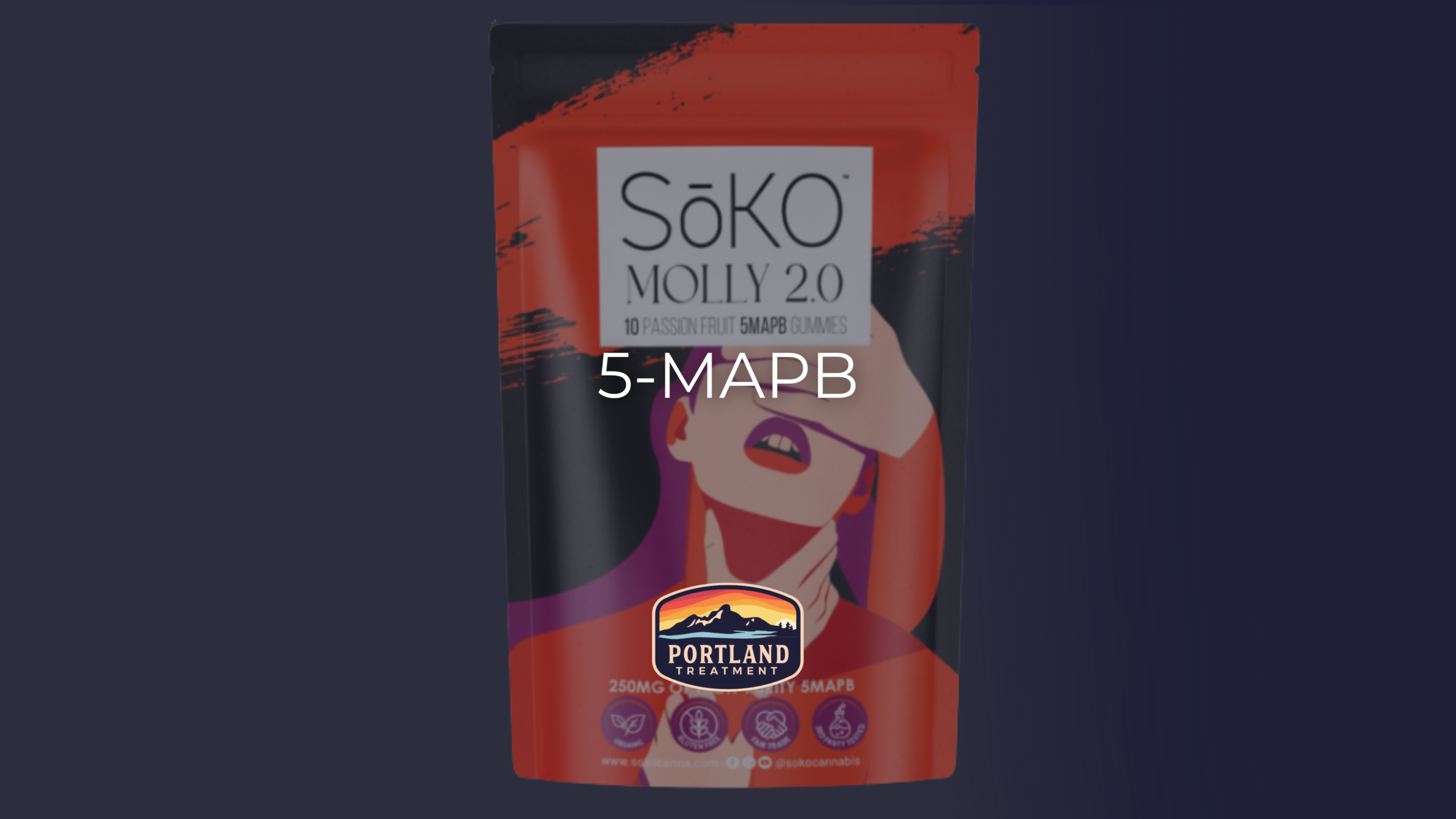
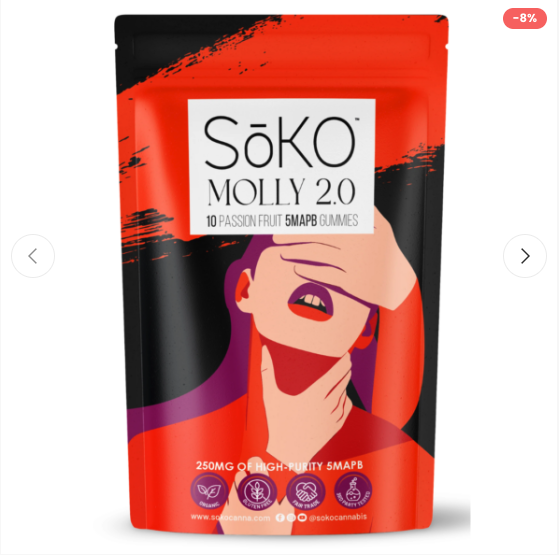
5-MAPB is commonly promoted and purchased through gray-market online channels rather than traditional street-level sales. Parents may see it advertised through social media ads, short-form videos, cannabis-adjacent brands, research chemical websites, private messages, forums, or links that send users away from major platforms.
These products may be sold as powders, capsules, tablets, or “research chemicals.” Sellers often avoid direct drug-use language while still implying effects similar to molly or MDMA. Common marketing language may include phrases such as “Molly 2.0,” “clean roll,” “feel closer,” “stronger,” “safer,” “lab tested,” “not for human consumption,” or “for research use only.”
This marketing can be misleading because it makes 5-MAPB sound cleaner, more controlled, or safer than traditional club drugs. In reality, substances bought online may be mislabeled, contaminated, or mixed with other drugs. A polished ad, discreet packaging claim, or scientific-sounding label does not mean the product is safe.
Parents should pay attention to online searches, saved ads, unusual packages, chemical abbreviations, powder products, or language about “research chemicals,” “benzofurans,” “rolls,” or “molly alternatives.” If 5-MAPB or similar substances are showing up in someone’s social feeds, messages, or purchases, it may be time to have a calm conversation and consider professional support.
Can 5-MAPB Cause Serotonin Syndrome?
Yes. One of the most serious medical risks associated with 5-MAPB is serotonin syndrome, a potentially life-threatening condition caused by excessive serotonin activity in the nervous system.
Symptoms may include:
- High fever
- Severe agitation
- Tremors
- Muscle rigidity
- Rapid heart rate
- Elevated blood pressure
- Heavy sweating
- Confusion
- Seizures
The risk may increase when 5-MAPB is combined with antidepressants, stimulants, MDMA, or other substances that affect serotonin levels.
Anyone experiencing symptoms of serotonin syndrome should seek emergency medical care immediately.
Designer Drugs Often Contain Unknown Ingredients
Many people assume they know what they are taking when purchasing a designer drug online or through illicit markets. Unfortunately, laboratory testing frequently shows that substances are mislabeled or mixed with other compounds.
Products marketed as 5-MAPB may contain:
- Other benzofurans
- Synthetic cathinones (“bath salts”)
- MDMA analogs
- Stimulants
- Benzodiazepines
- Opioids
- Fentanyl-contaminated materials
This unpredictability significantly increases the risk of overdose and medical emergencies.
5-MAPB vs. Molly and Other Club Drugs
5-MAPB is often discussed alongside other “club drugs” because it may be used in nightlife, festival, or party settings. However, 5-MAPB is not the same as molly, MDMA, ketamine, cocaine, LSD, or other substances. Each drug affects the brain and body differently, and the risks can increase when substances are mixed.
| Substance | Drug Category | Why It Gets Compared to 5-MAPB | Possible Effects | Key Risks | How It Differs From 5-MAPB |
|---|---|---|---|---|---|
| 5-MAPB | Synthetic benzofuran / designer drug | Often described as MDMA-like because it may produce empathogenic and stimulant effects | Euphoria, emotional openness, increased sociability, altered sensory perception | Serotonin toxicity, overheating, anxiety, insomnia, cardiovascular stress, unknown purity | Less researched than MDMA, often sold as a research chemical, and may be difficult to identify without lab testing |
| Molly / MDMA / Ecstasy | Stimulant and hallucinogen | Most common comparison because both may produce energy, empathy, and emotional warmth | Euphoria, closeness, reduced inhibition, increased energy, sensory enhancement | Hyperthermia, dehydration, high blood pressure, anxiety, depression, drug craving, serotonin syndrome risk | MDMA is more widely known and studied, but street “molly” may still contain unknown or dangerous substances |
| 6-APB / “Benzo Fury” | Synthetic benzofuran / designer drug | Like 5-MAPB, it belongs to the benzofuran family and may produce stimulant or empathogenic effects | Euphoria, stimulation, altered perception, increased sociability | High heart rate, high blood pressure, overheating, agitation, toxic reactions | 6-APB is a different compound and may have a longer or more unpredictable effect profile |
| Ketamine / Special K | Dissociative anesthetic / hallucinogen | Common in club and party settings, but its effects are very different from 5-MAPB | Dissociation, sedation, hallucinations, detachment from surroundings | Confusion, memory loss, impaired judgment, unconsciousness, slowed breathing in overdose | Ketamine is not primarily an empathogen; it is dissociative and can make a person feel detached from their body or environment |
| Cocaine | Powerful stimulant | May be used in nightlife settings for energy and confidence | Increased energy, alertness, euphoria, talkativeness | Anxiety, paranoia, irregular heartbeat, stroke, cardiac arrest, strong cravings | Cocaine is more strongly associated with stimulant-driven compulsive use and cardiovascular risk than empathogenic effects |
| LSD / Acid | Hallucinogen / psychedelic | Sometimes grouped with club drugs because it may be used at festivals or parties | Visual distortions, altered time perception, sensory changes, intense thoughts or emotions | Panic, paranoia, impaired judgment, accidents, lingering visual disturbances | LSD is primarily psychedelic, while 5-MAPB is more commonly discussed as MDMA-like or empathogenic |
| GHB | Central nervous system depressant | Sometimes grouped with club drugs, especially in nightlife settings | Sedation, relaxation, lowered inhibition | Loss of consciousness, slowed breathing, overdose, dangerous interactions with alcohol or sedatives | GHB is a depressant, not a stimulant or empathogen, and overdose risk can be especially high when mixed with alcohol |
| Synthetic cathinones | Synthetic stimulants | May be sold as party drugs or mislabeled as other substances | Stimulation, euphoria, increased energy, agitation | Panic, paranoia, overheating, heart problems, violent agitation, overdose | These drugs are often more stimulant-heavy and may cause severe agitation or psychosis-like symptoms |
The biggest concern with 5-MAPB and other club drugs is not just the intended effect. It is the unpredictability. A powder, capsule, or tablet may be mislabeled, contaminated, or mixed with other drugs. This is one reason people can experience severe reactions even when they believe they know what they are taking.
For people who are repeatedly using 5-MAPB, molly, cocaine, ketamine, or other club drugs, professional treatment can help address cravings, emotional crashes, polysubstance use, and the mental health symptoms that often keep the cycle going. Portland Treatment provides substance use treatment in Maine for individuals who need support getting stable and moving toward recovery.
Can Someone Become Dependent on 5-MAPB?
Although research on long-term 5-MAPB use remains limited, repeated use of substances that affect dopamine and serotonin pathways can contribute to compulsive patterns of use.
Warning signs may include:
- Cravings
- Repeated use despite consequences
- Using larger amounts over time
- Emotional crashes after use
- Difficulty enjoying life without the drug
- Neglecting responsibilities
- Continuing to use despite health concerns
People may also find themselves using other substances to manage the comedown effects associated with 5-MAPB.
5-MAPB Comedown Symptoms
Following use, some individuals experience a significant crash as neurotransmitter levels fluctuate.
Common comedown symptoms include:
- Depression
- Anxiety
- Irritability
- Fatigue
- Low motivation
- Brain fog
- Sleep disturbances
- Emotional numbness
For some individuals, these symptoms can contribute to a cycle of repeated use.
The Risk of Polysubstance Use
Many individuals who use designer drugs do not use them in isolation. 5-MAPB is frequently combined with alcohol, cannabis, stimulants, benzodiazepines, or other substances.
Polysubstance use increases the risk of:
- Overdose
- Dangerous drug interactions
- Cardiac complications
- Severe intoxication
- Mental health crises
- Accidental injury
A 2024 fatal intoxication report involving 5-MAPB highlighted the difficulty clinicians face in determining toxic and potentially lethal levels of newer designer drugs because of limited available data.
When to Seek Professional Help
It may be time to seek treatment if substance use is causing problems with:
- Physical health
- Mental health
- Employment
- Relationships
- School performance
- Financial stability
- Legal issues
Many people who struggle with designer drugs also experience anxiety, depression, trauma, or other underlying challenges that deserve professional attention.
Treatment for Designer Drug Use in Maine
Recovery is about more than simply stopping drug use. Effective treatment helps individuals understand the factors contributing to substance use while developing healthier coping strategies.
Treatment may include:
- Medical assessment
- Individual counseling
- Group therapy
- Relapse prevention planning
- Mental health treatment
- Family support services
- Long-term recovery planning
Because designer drugs continue to evolve, professional treatment can provide structure and support even when a specific substance is unfamiliar to the individual seeking help.
Get Help for Substance Use in Maine
If you or someone you love is struggling with 5-MAPB, research chemicals, ecstasy, stimulants, or other substances, professional help is available. Portland Treatment provides evidence-based addiction treatment services in Maine for individuals seeking a path toward lasting recovery. Reaching out for help can be the first step toward a healthier future.
Frequently Asked Questions About 5-MAPB
What is 5-MAPB?
5-MAPB is a synthetic designer drug that is often compared to MDMA, ecstasy, or molly. It belongs to a group of substances known as benzofurans and is usually sold outside regulated medical or pharmaceutical settings. Because of this, people often do not know the actual strength, purity, or contents of what they are taking.
Is 5-MAPB a designer drug?
Yes. 5-MAPB is considered a designer drug because it is a synthetic substance created to produce effects similar to other psychoactive drugs. Designer drugs can be especially unpredictable because they may be mislabeled, contaminated, or mixed with other substances.
Is 5-MAPB the same as molly or MDMA?
No. 5-MAPB is not the same drug as MDMA, but it may produce similar effects. Both substances may affect mood, energy, perception, and emotional openness. The risk is that products sold as 5-MAPB, molly, ecstasy, or research chemicals may contain unknown ingredients.
Is 5-MAPB dangerous?
5-MAPB can be dangerous, especially when taken in high doses or mixed with other substances. Possible risks may include rapid heart rate, high blood pressure, anxiety, confusion, overheating, dehydration, nausea, insomnia, and serotonin toxicity. Because 5-MAPB is not a regulated medication, the risks can be difficult to predict.
Can 5-MAPB cause serotonin syndrome?
5-MAPB may increase the risk of serotonin syndrome because it can affect serotonin activity in the brain and body. Serotonin syndrome is a potentially life-threatening reaction that can occur when serotonin levels become too high. The risk may be greater when 5-MAPB is mixed with antidepressants, stimulants, MDMA, certain opioids, or other serotonergic substances.
What are the symptoms of serotonin syndrome?
Symptoms of serotonin syndrome may include agitation, confusion, sweating, diarrhea, fast heart rate, high blood pressure, fever, tremors, muscle rigidity, overactive reflexes, and seizures. Anyone experiencing these symptoms after using 5-MAPB, molly, research chemicals, or other drugs should seek emergency medical care.
Are research chemicals legal?
Research chemical laws can be complicated and may vary depending on the substance, location, and intended use. A drug does not have to be safe simply because it is sold online or marketed as a research chemical. Many substances in this category may still carry legal risks, medical risks, or both.
Can you get addicted to 5-MAPB?
Research on 5-MAPB addiction is limited, but repeated use of drugs that affect dopamine, serotonin, and reward pathways may contribute to compulsive patterns of use. Warning signs can include cravings, using despite consequences, needing more to feel the same effect, emotional crashes after use, and difficulty stopping.
Is molly addictive?
Molly, or MDMA, may not affect everyone the same way, but some people develop patterns of compulsive use. Since 5-MAPB is often compared to MDMA and may be used in similar settings, people using either substance should pay attention to cravings, repeated use, mood changes, and difficulty stopping.
When should someone seek help for 5-MAPB or designer drug use?
Someone should consider treatment if 5-MAPB, molly, research chemicals, or other substances are affecting their health, relationships, work, school, finances, or mental health. Portland Treatment offers support for individuals struggling with substance use and co-occurring mental health concerns in Maine.
Sources
Sahai, M. A., Davidson, C., Khelashvili, G., Barrese, V., Dutta, N., Weinstein, H., & Opacka-Juffry, J. (2016). Combined in vitro and in silico approaches to the assessment of stimulant properties of novel psychoactive substances: The case of the benzofuran 5-MAPB. Progress in Neuro-Psychopharmacology & Biological Psychiatry. https://openaccess.sgul.ac.uk/id/eprint/108925/1/Combined_in_vitro_and_in_silico_approaches.pdf
United States Drug Enforcement Administration. (n.d.). Ecstasy or MDMA, also known as Molly. https://www.dea.gov/factsheets/ecstasy-or-mdma-also-known-molly
United States Drug Enforcement Administration. (n.d.). Ketamine. https://www.dea.gov/factsheets/ketamine
United States Drug Enforcement Administration. (n.d.). Cocaine. https://www.dea.gov/factsheets/cocaine
United States Drug Enforcement Administration. (n.d.). LSD. https://www.dea.gov/factsheets/lsd
United States Drug Enforcement Administration. (n.d.). Bath salts. https://www.dea.gov/factsheets/bath-salts
United States Drug Enforcement Administration, Diversion Control Division. (n.d.). Gamma hydroxybutyric acid. https://www.deadiversion.usdoj.gov/drug_chem_info/ghb.pdf
MedlinePlus. (n.d.). Serotonin syndrome. U.S. National Library of Medicine. https://medlineplus.gov/ency/article/007272.htm