Kratom & Synthetic Drugs · Biddeford & Portland, Maine
It came from a gas station. The withdrawal is real anyway.
Kratom, 7-OH tablets, synthetic cannabinoids, and lab-made stimulants are sold legally across Southern Maine, and people are getting physically dependent on them. Outpatient treatment in Biddeford, twenty minutes from Portland, with clinicians who take this seriously instead of telling you it's just an herb.
No judgment · No waitlist · MaineCare accepted
Accredited & Licensed
 LegitScript Certified
 Joint Commission Accredited
 Maine DHHS Licensed
 Psychology Today Verified
What we're actually talking about
Sold on a counter, acting on opioid receptors
Kratom (Mitragyna speciosa) is a Southeast Asian tree leaf sold as powder, capsules, gummies, and shots. Its main compounds, mitragynine and 7-hydroxymitragynine, act partly on the same opioid receptors as prescription painkillers. At low doses it can feel like a stimulant; at higher doses, like a mild opioid. That is exactly why people can become dependent on it and go into withdrawal without it.
Concentrated 7-OH products, far stronger than the raw leaf, have spread rapidly through smoke shops and convenience stores, including in York and Cumberland County. The FDA has warned about kratom and has moved against concentrated 7-OH products, and poison-center calls have climbed nationally. Products are unregulated: potency varies between batches, and contamination has been documented.
The same pattern applies to synthetics, synthetic cannabinoids (K2, spice), synthetic cathinones ("bath salts"), and novel lab-made compounds designed to stay a step ahead of scheduling laws. You do not know the dose, the chemical, or what else is in it. Effects can be far more severe and unpredictable than the substance they imitate.
Many people arrive here having used kratom to self-manage opioid withdrawal, chronic pain, anxiety, or fatigue. That is a understandable reason to start, and it doesn't make the dependence less real. If opioids are also part of the picture, our opioid addiction treatment program addresses both.
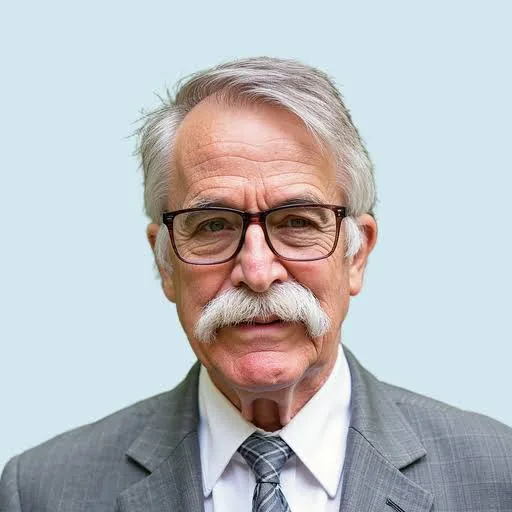
Medically reviewed
Benjamin Crocker, MD
Psychiatrist · Clinical Assistant Professor of Psychiatry, Tufts University School of Medicine · MD, The Ohio State University · Residency & fellowship training at the University of Michigan and LAC+USC Medical Center
Last reviewed August 2026. Read our editorial standards & clinical review process
Signs it's become dependence
The tell isn't how much you take. It's what happens when you stop.
- Dosing multiple times a day, and needing more of it than a year ago to get the same effect.
- Feeling sick, achy, restless, or irritable within hours of the last dose.
- Buying from several shops so no single clerk sees how much you go through.
- Spending hundreds a month on powder, shots, gummies, or 7-OH tablets.
- Failed attempts to stop, or planning your day around when you can dose.
- Started it to get off opioids or manage pain, now it's its own problem.
- With synthetics: blackouts, paranoia, racing heart, agitation, or ER visits after use.
Coming off it
Kratom withdrawal looks a lot like opioid withdrawal
People stopping heavy kratom use commonly report muscle aches, runny nose and sweating, nausea and stomach cramps, insomnia, restless legs, anxiety, irritability, low mood, and intense cravings. It typically starts within a day of the last dose and eases over roughly a week, with sleep and mood taking longer to settle. Synthetic cannabinoid and cathinone withdrawal looks different, more agitation, paranoia, and sleep disruption, and can require medical attention.
Portland Treatment is an outpatient program; we don't run a detox unit. When someone needs medically supervised withdrawal, we coordinate a referral to trusted licensed medical detox providers matched to the situation, and pick up care the moment it's done. Many people with kratom dependence can taper or stop with outpatient support and a medical provider's guidance, an assessment tells us which path is safe for you.
How we treat it
Four levels of care, one clinical team
Partial hospitalization
Five days a week of structure when withdrawal, sleep loss, and mood have flattened everything else.
IOPIntensive outpatient
Three hours a day, day or evening, while you keep working, where most of this treatment happens.
VirtualVirtual IOP
The same program over secure video, for people who can't add a commute to the day.
OPOutpatient therapy
Weekly individual and group therapy for the long middle stretch of recovery.
CBT for the dosing habit
Kratom use is usually anchored to routines, the morning shot, the afternoon slump. CBT maps those triggers and builds replacements that hold.
Treating what it was covering
Pain, anxiety, ADHD, depression, trauma. If the reason you started stays untreated, something else fills the gap. Dual diagnosis care addresses both.
Group therapy
Almost nobody talks about kratom out loud. Sitting with Southern Maine people in the same spot ends that isolation fast.
Prescriber coordination
We don't prescribe addiction medications ourselves, we work hand in hand with local prescribers and wrap therapy, groups, and case management around their plan.
We serve Portland, Biddeford, Saco, Sanford, and the rest of Southern Maine.
Insurance
In-network with almost every plan.
Portland Treatment is in-network with Anthem, UMR/UnitedHealthcare, Aetna, Harvard Pilgrim, Martin's Point, TRICARE, MaineCare and Cigna. In-network means contracted rates, lower coinsurance and no balance bill. We verify your benefits free, in minutes, with no obligation.








Free, confidential, no obligation
Or read the coverage guide for your plan, Anthem rehab coverage, Cigna rehab coverage, MaineCare rehab coverage and other accepted insurance plans.
Questions
Kratom & synthetic drugs, answered
Is kratom actually addictive?+
Yes, it can be. Kratom's active compounds act partly on opioid receptors, and regular heavy use can produce tolerance, physical dependence, and a withdrawal syndrome that resembles opioid withdrawal. Not everyone who uses kratom becomes dependent, but a meaningful number of daily users do, and legality has nothing to do with it.
What does kratom withdrawal feel like, and how long does it last?+
Commonly reported symptoms include muscle aches, sweating, runny nose, nausea, cramps, insomnia, restless legs, anxiety, irritability, and cravings. Symptoms typically begin within about a day of the last dose and ease over roughly a week, though sleep and mood can take longer. Talk to a medical provider before stopping abruptly, especially if you also use opioids, benzodiazepines, or alcohol.
Is kratom legal in Maine?+
Kratom is not federally scheduled and is generally available in Maine, though products and regulations change and concentrated 7-OH products have drawn federal action. Legality is not a safety rating: these products are unregulated, potency varies batch to batch, and contamination has been documented.
Do you treat synthetic drugs too, K2, spice, bath salts?+
Yes. We treat dependence on synthetic cannabinoids, synthetic cathinones, and other novel lab-made compounds alongside kratom. Because these substances are unpredictable and can trigger severe psychiatric symptoms, treatment often includes dual diagnosis care for anxiety, psychosis-related symptoms, and mood problems.
I started kratom to get off opioids. Will you hold that against me?+
No. It's one of the most common reasons people we see started using it, and it makes sense. We treat where you actually are: stabilizing kratom use, coordinating with a local prescriber if medication for opioid use disorder is appropriate, and treating the pain, anxiety, or trauma underneath.
Does MaineCare cover treatment for kratom dependence?+
In most cases, yes. MaineCare and nearly all commercial plans cover assessment, PHP, IOP, and outpatient therapy for substance use disorders. We verify your benefits free, in minutes, with no obligation. Call 855-449-7674.
This page is educational and is not medical advice. Never stop opioids, benzodiazepines, or other substances abruptly without medical guidance. If you are in crisis, call or text 988, or dial 911 for an emergency.
Keep exploring
Related care at Portland Treatment
Other conditions we treat
- Alcohol rehab in Biddeford and Portland
Outpatient alcohol treatment with detox coordination.
- Opioid addiction treatment
Therapy, groups and MAT coordination for opioid use.
- Fentanyl rehab in Maine
Why fentanyl requires a different approach to opioid treatment.
- Benzodiazepine addiction treatment
Safe tapers, medical oversight and outpatient support.
Programs that treat it
- Partial hospitalization program (PHP) in Biddeford
Our most structured day treatment, five days a week, home each night.
- Intensive outpatient program (IOP) in Southern Maine
Nine-plus clinical hours a week with day and evening tracks.
- Outpatient program (OP) for ongoing recovery
One to two sessions a week that fit around work and family.
- MAT coordination with local prescribers
We partner with local Suboxone, methadone and Vivitrol prescribers.
Related reading
- Is gabapentin addictive?
Dependence, misuse and withdrawal, explained plainly.
- Is trazodone addictive?
What to know if you were prescribed it for sleep.
- Alcohol detox risks and withdrawal
Why quitting alcohol cold turkey can be dangerous.
- Does insurance cover rehab?
Coverage, costs and what to ask your plan.
Serving Southern Maine
- Addiction treatment for Portland, Maine
A 20-minute drive down I-95 from the Portland peninsula.
- Addiction treatment in Biddeford, Maine
Our home clinic, in the mill district off Route 111.
- Addiction treatment for Saco, Maine
Minutes across the river from our Biddeford clinic.
- All Southern Maine areas we serve
Every city and town within driving distance of Biddeford.
Legal doesn't mean harmless.
Getting off it is treatable.
855-449-7674Answered 24 hours a day, 7 days a week. Free and confidential.